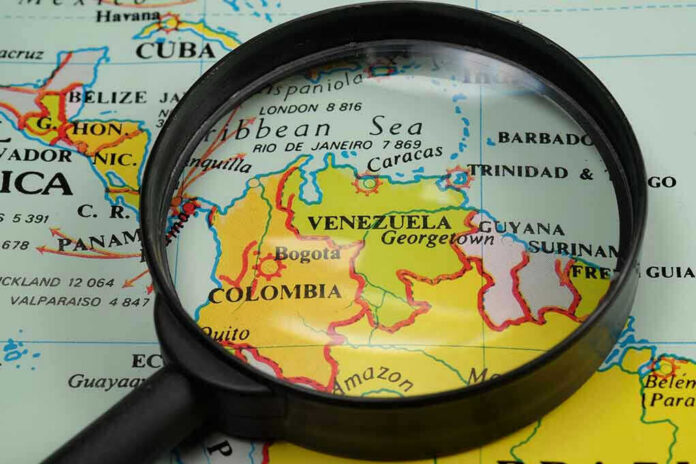
Panama’s sudden seizure of key Panama Canal ports from a Hong Kong firm raises alarms over Chinese influence at this vital U.S. trade artery, demanding President Trump’s immediate attention to protect American interests.
Story Snapshot
- Panama’s Maritime Authority seized Balboa and Cristóbal ports, critical to the Panama Canal’s Pacific and Atlantic entrances, from CK Hutchison Holdings after a court ruling.
- Hong Kong-based CK Hutchison, operator since 1997, requested negotiations on February 19, 2026, to resolve the dispute over seized assets including equipment and infrastructure.
- The move asserts Panamanian sovereignty but risks global trade disruptions at a chokepoint handling 5-6% of world maritime commerce.
- U.S. national security concerns grow amid Chinese-linked control of strategic canal assets, echoing past tensions.
Port Seizure Details
Panama’s Maritime Authority executed the takeover of Balboa and Cristóbal ports following a court decision that authorized intervention. These terminals, at the Panama Canal’s Pacific and Atlantic entrances, fell under full government control. Authorities seized all equipment, lifting gear, and transportation infrastructure previously managed by Hutchison Ports PPC, CK Hutchison’s subsidiary. The action stems from long-standing disputes over concession terms, operational fees, and national oversight of these high-value assets. Panama prioritizes sovereignty over its strategic infrastructure.
Historical Concessions and Disputes
CK Hutchison held concessions for the ports since 1997, part of Panama’s privatization push after the U.S. canal handover in 1999. This modernization effort commercialized operations to boost efficiency. Years of tensions preceded the seizure, including disagreements on fees and control. The court ruling directly enabled the Maritime Authority’s move, framing it as enforcement of national interests. No prior direct seizures occurred, though similar concession battles marked Panama’s history, like 2016-2018 renewals amid U.S.-China trade frictions. The canal remains essential, channeling 5-6% of global trade.
Stakeholder Responses and Motivations
The Panamanian government and Maritime Authority drove the seizure to reclaim national security and revenue from multi-billion-dollar investments. CK Hutchison, on February 19, 2026, urged Panama to open negotiations for resolution, signaling readiness for dialogue despite the asset grab. Panama wields judicial-backed sovereign power, while the firm counters with economic clout and potential international arbitration. Tensions highlight power imbalances, with the government enforcing control and the operator protecting operations. Key influencers include the court, executive branch, and CK leadership.
Ports now operate under Maritime Authority oversight, with no further seizures reported. Negotiations remain pending as of late February 2026.
Economic and Geopolitical Impacts
Short-term effects include potential delays in container handling, supply chain bottlenecks, and higher costs for shippers and global firms. Long-term outcomes may involve concession renegotiations, local operator shifts, or arbitration battles. The canal generates over $5 billion annually, making disruptions politically charged. U.S. concerns intensify over Chinese influence via the Hong Kong firm at this trade lifeline, fueling sovereignty debates. Panamanian workers and communities face job and operational changes; prolonged issues could spark protests. The maritime sector eyes risks to foreign investments in strategic waterways.
Implications for U.S. Interests
Under President Trump, this development spotlights vulnerabilities in global trade routes once under American stewardship. Chinese-linked control of canal ports threatens supply chain security, aligning with conservative priorities for limited foreign overreach and strong national defenses. Panama’s action promotes sovereignty—a principle conservatives champion—but underscores needs for U.S. vigilance against Beijing’s expansions. Trade analysts warn of 1-2% shipping rate hikes if unresolved. Legal views affirm the seizure’s procedural validity under local law. Americans reliant on affordable goods watch closely as negotiations unfold.
Sources:
CK Hutchison Requests Negotiations with Panama over Canal Ports – Tico Times
Panama Seizes Control of Major Canal Ports Following Court Decision – Fine Day Radio/TV Delmarva