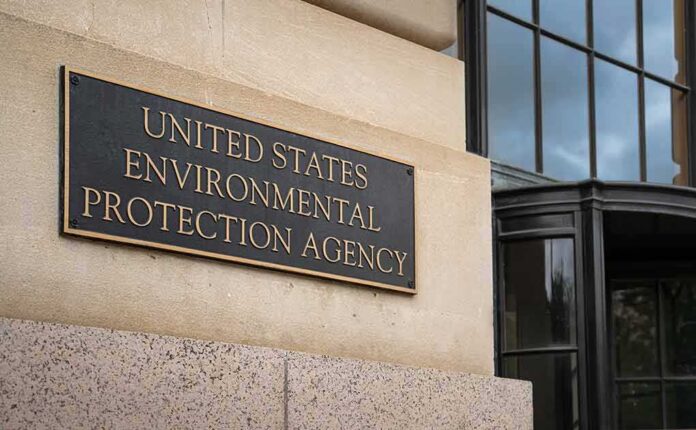
The Environmental Protection Agency (EPA) is moving to wipe out every federal greenhouse gas rule written for coal and gas power plants, tearing up more than a decade of climate regulation in one sweeping stroke.
Story Snapshot
- EPA proposed repealing all greenhouse gas emissions standards for fossil fuel-fired power plants, including rules for existing coal and gas units.
- The agency also finalized a repeal of part of the Biden-era Mercury and Air Toxics Standards for coal- and oil-fired utility units, effective April 27, 2026.
- The administration separately revoked the 2009 endangerment finding, the legal base for nearly all federal climate rules covering vehicles and power plants.
- Environmental groups, 23 states, and several health organizations have already sued or filed formal objections against the rollback.
What The Repeal Actually Changes
The Federal Register notice from June 2025 is blunt. EPA proposed to repeal the emission guidelines for existing fossil fuel-fired steam generating units “in their entirety”. That means the Biden-era rule requiring the biggest coal and gas plants to cut carbon output by 90 percent over time would simply disappear. No replacement standard is on the table yet, just removal.
This is not a small technical adjustment. The National Resources Defense Council says the original standards were built on “an extensive legal, scientific, and technical record” and were projected to cut carbon pollution by roughly 1.4 billion tons over 23 years. Wiping that out removes both the mandate and the underlying paper trail regulators used to defend it in court.
Knocking Out The Legal Foundation Too
The bigger move came in February 2026, when the administration repealed the 2009 endangerment finding. Reuters described it as the legal foundation for nearly all U.S. climate regulation, covering vehicles, power plants, and other industries. Without that finding, EPA loses its main legal hook for requiring greenhouse gas limits on almost anything, not just power plants.
EPA also finalized the rollback of part of the Mercury and Air Toxics Standards for coal- and oil-fired utility units in February 2026, with the change taking effect in late April. Regulatory trackers at Harvard Law School noted EPA kept sending related proposals to the White House budget office through the summer of 2026, signaling the deregulation push was not slowing down.
Industry Silence And Missing Numbers
What is missing from the record is just as notable as what is in it. The Federal Register filings describe procedural changes but do not include a public cost-benefit analysis quantifying job gains, electricity price effects, or reliability improvements. No utility companies, coal producers, or trade groups have gone on record publicly praising the rollback in the materials reviewed here, even though many stand to benefit from avoided compliance costs.
That silence matters. State utility commissions, environmental, social, and governance investors, and long-term financing relationships give power companies reasons to stay quiet even when federal relief helps their bottom line. It leaves EPA’s deregulatory case sitting largely on its own, without the loud industry cheerleading that usually accompanies a major regulatory win.
The Pushback Is Already Organized And Loud
Opponents did not wait around. The Sierra Club vowed to fight the proposal “in the courts, in Congress, and in communities across the country”. A coalition of 23 states and cities, led in part by California’s attorney general, told EPA the plan would repeal all greenhouse gas standards for fossil fuel power plants and erase the legal basis behind them.
Health groups filed a separate lawsuit over the mercury rule rollback, arguing it would expose more communities to toxic pollutants tied to brain development problems, asthma attacks, cancers, and premature deaths. Climate Mayors, a coalition of city leaders, said weakening those safeguards would hit historically underserved neighborhoods hardest and undercut local efforts to build healthier communities.
It's scientific fact. Greenhouse gas emissions hurt working families. But Trump just repealed the power plant standards that protect Americans and hold polluters accountable. Trump and Zeldin are bought and paid for their gas and coal donors—we need to protect people, not profits
— Ed Markey (@EdMarkey) September 14, 2026
A Fight With A Long, Familiar History
None of this is new territory. The Clean Power Plan was stayed by the Supreme Court before it ever took effect, replaced by Trump’s first-term Affordable Clean Energy rule, then vacated by a federal appeals court, then narrowed further by the Supreme Court in West Virginia v. EPA. Every administration change has triggered a fresh round of repeal, replacement, and litigation. This rollback fits that same well-worn cycle, and the courts will almost certainly have the final word again.
Sources:
theguardian.com, cnbc.com, nrdc.org, phelps.com, bbc.com, nbcnews.com
© impactheadlines.com 2026. All rights reserved.