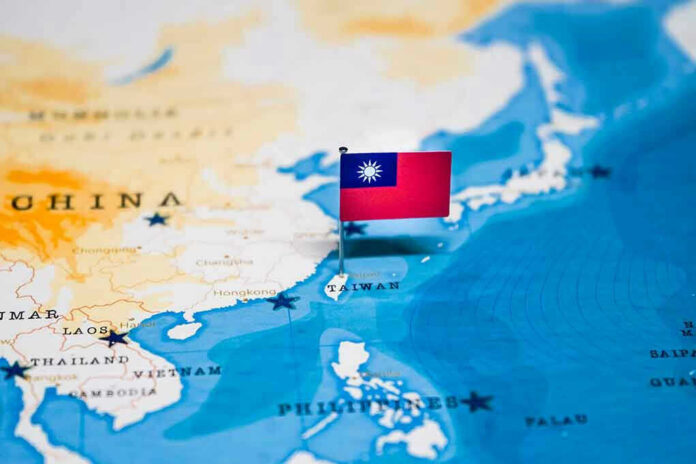
In the longest and most intense military exercise yet, Taiwan boldly showcased its resolve against growing Chinese threats, leaving onlookers wondering if this will mark a turning point in cross-strait relations.
At a Glance
- Taiwan’s 41st Han Kuang exercise was the longest and most comprehensive military drill to date.
- The exercise focused on realistic combat scenarios with over 22,000 reservists participating.
- New military equipment and tactics were introduced to bolster Taiwan’s defense readiness.
- The absence of U.S. participation in the drills raised strategic questions.
Taiwan’s Military Might on Display
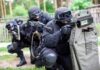
Taiwan’s 41st Han Kuang exercise, conducted in July 2025, was a spectacle of military prowess, bringing to life scenarios that had previously been reserved for the pages of a Tom Clancy novel. With over 22,000 reservists and active-duty personnel, this drill was more than just a show; it was a statement. The exercise spanned the entire island, including Penghu, Kinmen, and Matsu, areas considered most vulnerable in the event of a Chinese assault.
This year, the Han Kuang exercise marked a departure from its past with its unprecedented ten-day duration, focusing on realistic combat scenarios rather than mere public relations. The drills included close-quarters fighting and multi-round blank firing, ensuring that all participants got a taste of the chaos and cacophony of real warfare.
Key Players and Motivations
The Republic of China Armed Forces orchestrated the drills, including the Army, Navy, Air Force, and a significant number of reservists. The Ministry of National Defense was at the helm, ensuring that every maneuver and tactic was executed with precision and purpose. On the opposing side, the People’s Republic of China watched with keen interest, as Taiwan’s display of military competence was a direct response to China’s increasing military pressure.
While the U.S. did not participate in the exercise, its role as Taiwan’s key security partner loomed large, with analysts noting the absence and pondering its implications on deterrence and international signaling.
Rising Tensions and Strategic Implications
The exercise’s timing was not coincidental. With cross-strait tensions escalating, Taiwan needed to reassure its citizens and the world of its defensive capabilities. The drills were a clear message to China: Taiwan is ready and capable of defending its sovereignty. This has implications not just for Taiwan but for the entire region, as neighboring countries watched closely, gauging the potential impact on regional security dynamics.
The exercise’s success and enhanced realism have the potential to shape Taiwan’s future defense strategies and international partnerships. By integrating new technologies and tactics, Taiwan is setting the stage for a more robust defense posture in the coming years.
Expert Insights and Future Prospects
Experts lauded the 2025 Han Kuang exercise for its realism and effectiveness. Chieh Chung from the Institute for National Defense and Security Research praised the drills for their discipline and meaningful training, especially for the reservists. The exercise’s increased intensity and public engagement were highlighted as significant improvements over previous years.
Despite the mostly positive assessments, the absence of U.S. participation was a noteworthy point of concern. Some analysts argued that this could affect Taiwan’s deterrence capabilities and its broader international security partnerships. As Taiwan continues to bolster its defense readiness, the question remains: How will these developments influence its standing on the global stage?
Sources:
Hudson Institute: Han Kuang Exercise
National Defense Magazine: Taiwan Military Exercise
OCAC: Taiwan’s Han Kuang Exercise