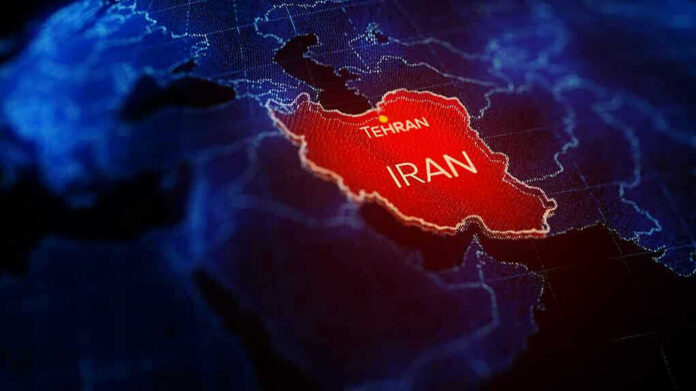
Iran seized two cargo ships in the Strait of Hormuz within hours of the U.S. Navy firing on and seizing an Iranian vessel, exposing how a fragile ceasefire is collapsing into tit-for-tat confrontations that threaten global oil supplies.
Story Snapshot
- U.S. forces disabled and seized Iranian ship Touska on April 19 after six hours of warnings, firing into its engine room during a blockade enforcement operation
- Iran’s Revolutionary Guard retaliated hours later by firing on and seizing two cargo ships—MSC Francesca and Epaminondas—while disabling a third vessel off Iran’s coast
- President Trump extended a ceasefire indefinitely, but Iran refused second-round peace talks in Pakistan, condemning the Touska seizure as “armed piracy”
- The escalation marks the first mutual ship seizures with live gunfire in the strait that handles 20 percent of global oil traffic
U.S. Naval Blockade Triggers Iranian Retaliation
The USS Spruance intercepted the Iranian-flagged cargo ship Touska in the Gulf of Oman on April 19 after the vessel attempted to breach a U.S. naval blockade of Iranian ports. Following six hours of warnings, U.S. forces opened fire on the ship’s engine room, disabling it before Marines from the 31st Marine Expeditionary Unit boarded and seized the vessel. President Trump maintained the U.S. provided “fair warning” and acted within blockade enforcement protocols. Hours later, Iran’s Revolutionary Guard Corps responded by firing on two commercial ships near the Strait of Hormuz, seizing the MSC Francesca and Epaminondas while disabling a third vessel.
Diplomatic Efforts Collapse Amid Mutual Accusations
The confrontations occurred just as Trump extended a two-week ceasefire indefinitely, attempting to pressure Iran into nuclear negotiations. Iran canceled planned second-round peace talks in Islamabad, with state media condemning the Touska seizure as piracy that violated the ceasefire. Iranian officials accused ships in the strait of operating without authorization and manipulating navigation systems to justify their seizures. The IRGC transferred the captured vessels to Iranian waters, while U.S. Central Command released video footage documenting the Touska operation. This breakdown exposes a fundamental disconnect: Washington views blockade enforcement as legitimate pressure, while Tehran frames ship seizures as sovereign defense.
Hardliners Exploit Ceasefire Weakness
Military analysts note Iran’s Revolutionary Guard appears to be exploiting the ceasefire as a sign of U.S. weakness, escalating asymmetric tactics against American naval superiority. A retired U.S. colonel characterized the IRGC actions as a “definite escalation” under international rules of war, which permit vessel seizures when national security is threatened. Post-seizure, Iranian forces reportedly targeted U.S. warships with drones, further raising tensions. The mutual firings represent a dangerous departure from previous Strait of Hormuz incidents like 2019 tanker detentions, which didn’t involve direct gunfire exchanges between U.S. and Iranian forces. This pattern suggests hardliners in Tehran are gaining influence over diplomatic factions.
Economic and Strategic Consequences Mount
The Strait of Hormuz serves as a chokepoint for roughly 20 percent of global oil supplies, making any disruption economically significant. Shipping firms must now navigate heightened insurance costs and potential route diversions as three vessels remain out of commission—two under Iranian control and Touska in U.S. custody. No crew injuries were reported, though ships sustained severe damage to bridges and engines. Energy markets face volatility as the confrontations threaten to collapse the ceasefire entirely and harden Iran’s nuclear stance. For American citizens already frustrated with government dysfunction and energy costs driven by failed policies, this escalation represents yet another example of Washington’s inability to secure stable energy supplies. The blockade risks prolonging Middle East instability while both political establishments prioritize posturing over pragmatic solutions that serve working families.
https://twitter.com/RedState/status/2046984881205293388
The seizures expose how quickly diplomatic efforts can unravel when neither side trusts the other’s intentions. With Iran holding two commercial vessels and the U.S. controlling an Iranian ship, the path forward remains unclear. Both governments face domestic pressure—Trump from supporters demanding strength on Iran’s nuclear program, and Tehran from Revolutionary Guard hardliners opposed to any concessions. The ceasefire’s collapse could trigger open conflict in waters vital to global commerce, with ordinary Americans bearing the cost through higher fuel prices and economic uncertainty stemming from decisions made by elites in Washington and Tehran who seem more invested in preserving their power than preventing escalation.
Sources:
NDTV – US Navy Fires on, Seizes Iranian-Flagged Ship in Hormuz
CENTCOM – U.S. Forces Disable Vessel Attempting to Enter Iranian Port, Violate Blockade