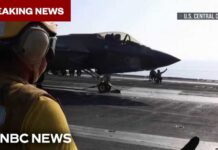
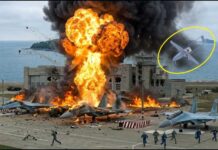
Iran’s new wave of drone and missile attacks on Bahrain and a tanker in the Strait of Hormuz shows Tehran is willing to strike U.S. bases, allies, and global energy routes to challenge American power and a fragile ceasefire.
Story Snapshot
- Iran hit U.S.-linked sites in Bahrain and Kuwait and struck a tanker in the Strait of Hormuz after U.S. airstrikes.
- The fighting now reaches U.S. bases, Gulf allies, and vital oil shipping lanes, raising the risk of wider war and energy shocks.
- President Trump ordered repeated strikes on Iranian military assets used to attack ships and threaten regional stability.
- Iran openly calls its attacks “retaliation,” but it has been driving the crisis with repeated strikes on commercial tankers.
Iran Expands the Fight to Bahrain, Kuwait, and a Hormuz Tanker
U.S. forces struck Iranian military targets after blaming Tehran for a drone attack on the Kiku oil tanker near the Strait of Hormuz, pushing a shaky ceasefire into a third straight day of combat. In response, Iran’s Revolutionary Guard and army launched missiles and drones at American-linked sites in Bahrain and Kuwait, including facilities used by U.S. troops and infrastructure tied to U.S. companies. At nearly the same time, a tanker transiting the strait reported being hit by an unknown projectile, forcing its crew to abandon ship in lifeboats. These linked attacks show the fight is no longer limited to Iranian soil, but now directly threatens U.S. bases and allied territory.
Reports from Bahrain and regional media say Iranian drones struck multiple locations connected to U.S. forces, including arms depots, satellite communications, and a radar system supporting U.S. Navy air traffic control. Iran’s Revolutionary Guard bragged it targeted U.S. military infrastructure in Bahrain belonging to a major American technology company, and state outlets framed the operation as a defensive response to earlier American strikes. At the same time, the Iranian army claimed drone attacks on three U.S. bases in Kuwait, while Jordan reported intercepting five Iranian drones headed for a U.S. site there. Taken together, these moves show Tehran is willing to hit U.S. positions across several countries to try to raise the cost of American action and intimidate regional partners.
How the Tanker Attacks Are Driving the Escalation
The latest clash grew out of a series of Iranian attacks on commercial tankers that use U.S.-protected routes through the Strait of Hormuz, a narrow passage that carries a huge share of the world’s oil. Earlier incidents included suicide drone strikes, cruise missile attacks, and explosive-laden vessels that set ships ablaze, killed crew members, and forced other tankers to turn back or halt. In one case, Iran’s Revolutionary Guard admitted hitting a fuel tanker with two drones, leaving it engulfed in flames. U.S. Central Command has answered these strikes with waves of precision attacks on Iranian air defenses, drone storage sites, command centers, and mine-laying capabilities to reduce Iran’s ability to target commercial shipping. American officials describe Iran’s assaults on ships as “unwarranted” and “dangerous,” stressing that the U.S. is acting to keep the strait open and protect global energy trade.
Iran, for its part, keeps insisting its actions are retaliation and “defensive,” saying some vessels tried to pass through Hormuz without proper coordination and accusing the U.S. of encouraging “illegal transit” through the waterway. However, U.S. intelligence and several allied governments point directly to Iran as the main threat to tankers in the strait, citing repeated attacks with drones, missiles, and sea mines. One Gulf defense ministry reports that two national tankers carrying Saudi crude were struck by Iranian cruise missiles in Omani waters, killing an Indian crew member and injuring eight others. Shipping monitors say the threat level for vessels using U.S. Navy–protected routes through Hormuz has been raised to “severe,” warning captains to expect more Iranian strikes. These facts support the view that Iran is not simply responding to U.S. pressure but is using ships and energy routes as tools of coercion.
Trump’s Response, U.S. Allies, and What It Means for Americans
President Trump has ordered repeated rounds of strikes on Iranian military targets, strongly signaling that attacks on tankers and U.S. bases will carry a heavy price. U.S. Central Command says recent operations focused on degrading Iran’s ability to hit ships, targeting military surveillance systems, communication nodes, air defenses, drone storage facilities, and mine-laying platforms tied to attacks on commercial vessels. Gulf partners such as Bahrain and Kuwait, who host key American bases, now find themselves on the front line as Iran launches missiles and drones at their territory in direct response to U.S. actions. At the same time, some regional states have started to push back on their own; separate reporting shows Bahrain and Kuwait have carried out rare direct strikes on targets inside Iran, going after drone and missile facilities tied to these attacks. This emerging alignment suggests that Iran’s aggression is driving U.S. allies closer together around a shared need to contain Tehran’s reach.
President Trump says he's "losing faith" in negotiations with Iran as tensions continue to escalate across the Middle East.
Trump accuses Tehran of saying one thing while doing another, pointing to a missile attack on a U.S. base in Jordan that occurred while negotiations were…
— The Opinion (@News_TheOpinion) August 2, 2026
For American readers, the stakes are clear and close to home. Iran is attacking ships that carry the oil and gas that keep our economy running, while firing drones and missiles at bases where U.S. service members live and work. Congress has long warned that any sustained disruption in the Strait of Hormuz could hit fuel prices, strain family budgets, and hand leverage to hostile regimes that do not share our values. By moving the fight into Bahrain, Kuwait, and key shipping lanes, Iran is testing American resolve and the strength of our alliances under President Trump’s leadership. Conservatives who care about a strong military, reliable energy, and respect for American lives can see this pattern plainly: Tehran is using terror tactics on the high seas and across the Gulf to challenge U.S. power, and Washington is now pushing back with targeted force to keep vital routes open and defend our people.
Sources:
reuters.com, bbc.com, nypost.com, theguardian.com, npr.org, aljazeera.com, youtube.com, wsj.com, congress.gov
© impactheadlines.com 2026. All rights reserved.