Tony Romo asked a Milwaukee deputy “you think I’m drunk?” moments before he was arrested for suspected drunk driving, and now the whole exchange is on video for anyone to watch.
Story Snapshot
- Deputies stopped the former Dallas Cowboys quarterback and current CBS Sports analyst on Interstate 43 near Milwaukee on July 23, 2026.
- Bodycam footage released by the Milwaukee County Sheriff’s Office shows Romo taking field sobriety tests and questioning the officers.
- Romo, 46, told deputies he had left a golf event and was headed to see his grandparents.
- He was booked on suspicion of first-offense operating while intoxicated (OWI), then released.
What The Traffic Stop Looked Like On Camera
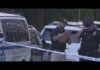
Deputies pulled Romo over just south of the Marquette Interchange around 6:18 p.m., citing unsafe driving on the highway. The newly released bodycam video shows him stepping out of his Jeep at an officer’s request and walking through a series of field sobriety tests on the shoulder of the road. Romo can be heard pushing back on the officer’s assessment, asking directly whether she believed he was intoxicated.
The footage also captures a tense back-and-forth over Romo’s request to speak with a lawyer during the stop. A New York Post report on the video says Romo repeatedly raised the issue with a female deputy, who continued the investigation before deciding to make an arrest. That kind of moment, an officer weighing a driver’s rights against the need to act fast, is exactly why departments now equip patrol units with body cameras in the first place.
Why Deputies Say They Made The Stop
Sheriff’s officials have said deputies observed poor performance on standardized field sobriety tests before deciding to arrest Romo. Those tests, developed under national traffic safety guidelines, look at balance, eye movement, and coordination as clues to impairment. They are treated as investigative tools, not conclusive proof, which is part of why footage like this draws so much public debate even when the underlying facts are not seriously in question.
Romo told officers on camera that he had just come from a golf tournament and was on his way to meet his grandparents, according to video obtained by TMZ. That detail humanizes a moment that otherwise reads like a standard, if high-profile, roadside stop. It does not change the sequence of events deputies documented, but it does explain why Romo seemed eager to get back on the road that evening.
The Arrest, Booking, And What Comes Next
The Milwaukee County Sheriff’s Office confirmed Romo was booked on suspicion of first-offense OWI and later released, a standard process for a charge that, absent aggravating factors, is typically handled as a citation rather than a lengthy detention in Wisconsin. Court records reviewed by local reporters confirm the CBS Sports announcer was booked and released the same night. No injuries or crashes were reported in connection with the stop.
Bodycam Footage Shows Tony Romo Being Arrested for Alleged OWI and Refusing Breathalyzer Test https://t.co/w9zMFY7jSS
— People (@people) July 29, 2026
A separate claim about supposed dashcam footage of the arrest circulated online after the bodycam video went public, but fact-checkers found no evidence that additional dashcam video exists or matches the real event. That distinction matters. Viewers should rely on the footage the sheriff’s office actually released rather than unverified clips making the rounds on social media, a caution that applies to nearly every viral arrest video these days.
A Familiar Pattern For High-Profile OWI Stops
Cases involving recognizable public figures tend to draw outsized attention to routine police procedure. A traffic stop that might otherwise generate a single local news brief becomes national conversation once bodycam video surfaces, especially when the driver is a former NFL quarterback turned network broadcaster. That attention can be useful. It lets the public see exactly how an OWI investigation unfolds, step by step, rather than relying on secondhand descriptions.
It also puts real pressure on both sides to get the details right. Deputies must justify every step of the stop and testing process on camera, while the accused gets a public record of exactly what was said and done. For a case that will likely play out in a Wisconsin courtroom rather than on cable news, that transparency serves everyone, including Romo, who has not been convicted of anything and is entitled to the same presumption of innocence as any other driver stopped that night.
Sources:
mediaite.com, tmj4.com, tmz.com, foxnews.com, youtube.com, cbsnews.com
© impactheadlines.com 2026. All rights reserved.