The ceasefire that reopened the Strait of Hormuz is not a peace deal, yet the administration is calling the Iran war a win anyway.
Story Snapshot
- White House claims of “victory” rest on heavy damage to Iran’s forces and a fragile ceasefire.
- Reporters say the memorandum is not a treaty and defers the hardest issues to later talks.
- Analysts question whether nuclear, missile, and regime goals were actually met.
- Americans across parties see shifting war aims and mixed results as a sign of dysfunction.
What The Administration Says It Achieved
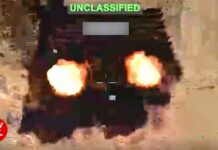
President Trump and allied voices argue the United States already met core military goals. They cite claims that strikes wrecked much of Iran’s navy, air defenses, and munitions sites, leaving the military set back for years. They point to reduced attacks during a ceasefire window and renewed shipping through the Strait of Hormuz as proof of restored deterrence. Supporters frame this as a clean win: crush capacity, pause the fight, and move Iran to negotiations.
These points speak to real public worries. Many Americans fear endless wars that waste lives and money. They also want tough action against regimes that target U.S. troops and threaten trade lanes. By that test, the White House says it delivered quick results at lower cost than a long ground war. The message is simple: America hit hard, pulled back on its terms, and forced Tehran to think twice before stirring the Gulf again.
What The Ceasefire Actually Does And Does Not Do
Independent reporting says the memorandum that extended the pause is not a binding peace treaty. The full text has not been released. Key disputes, including nuclear and missile issues, were kicked to future talks. The deal allowed traffic through the Strait of Hormuz and eased some pressure, but it did not lock in final terms or verified rollbacks of core programs, according to the British Broadcasting Corporation. That leaves big questions open.
National Public Radio adds that many original goals remain unmet. Regime change did not occur. Proof that Iran’s nuclear advances were stopped or reversed is thin in public view. Iran’s state and military structures still operate, and Tehran is offering its own demands in the next round. These facts suggest a pause, not an end state, and raise doubts about the definition of “victory” that the administration now uses.
The Nuclear And Missile Questions Still Hanging
Reporters say there is little public evidence of a lasting fix on the nuclear track. British Broadcasting Corporation coverage describes “scant evidence” of progress and notes continuing concern over enriched uranium levels. That gap undercuts talk of a decisive strategic win and sets up more bargaining ahead. If missiles, drones, and nuclear work stay on the table, then the hardest problems were not solved by airstrikes alone.
As President Trump weighs his options in Iran, @JakeAuch tells @noosphereapp he wants to prevent a failure becoming a quagmire. The wars in Vietnam, Iraq, Afghanistan and Iraq all have groupthink and sunk cost bias in common, says the Marine Corps veteran. https://t.co/NGoG7Rb16U
— Laura Trevelyan (@LauraTrevelyan) July 27, 2026
This split between battlefield damage and strategic outcomes fits a long pattern. Washington often touts pressure as victory, while later reviews find short-term gains but no settled end state. This time is no different. Think tanks and trackers describe a fragile calm that delays, rather than resolves, core threats. The Council on Foreign Relations’ conflict tracker notes that major issues were deferred to follow-on talks, signaling unfinished business.
Why This Matters For Voters Tired Of Spin
People across the spectrum are worn down by shifting goals, moving goalposts, and press releases that praise “wins” while bills keep rising. National Public Radio reports that objectives changed through the fight, which makes it hard to test success in a fair way. When terms shift, leaders can label nearly any pause a victory. That fuels the belief that elites protect their image first and fix real problems later—or never.
For conservatives, the fear is drifting into open-ended commitments with unclear payoff. For liberals, the worry is power used without clear accountability or lasting diplomacy. For both, the test is simple: did the policy reduce threats in a way that lasts and serves the national interest? Right now, the public record shows hard hits, a reopened waterway, and a temporary calm—but not a verified, durable solution on the nuclear and missile fronts.
What To Watch Next
Watch for the release of the full ceasefire text and any annexes. Look for verified inspections, missile limits, and steps that lock in maritime access. Track whether proxy attacks and interdictions stay low or creep back. If leaders can show enforceable terms and steady security trends, claims of success will gain weight. If not, this “win” may look like another Washington halftime show—loud, brief, and followed by the same old risks.
Sources:
19fortyfive.com, npr.org, bbc.com, youtube.com, pbs.org
© impactheadlines.com 2026. All rights reserved.