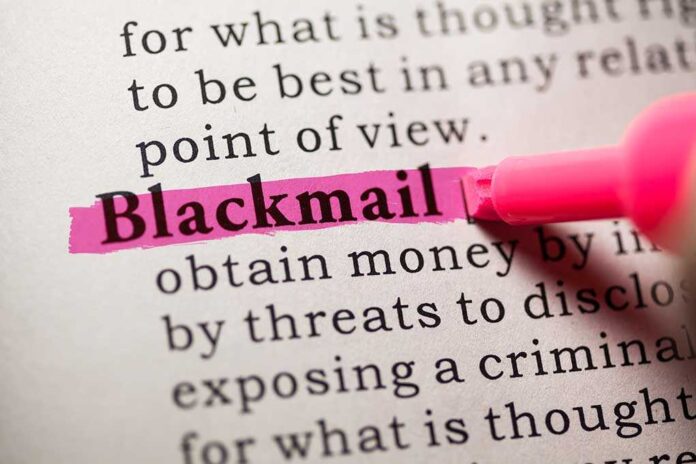
A recent revelation could shake the very foundations of trust in government institutions, as declassified documents reveal the historical use of blackmail by the CIA.
Story Snapshot
- Declassified documents expose the CIA’s historical use of blackmail.
- Operations targeted foreign leaders, dissidents, and media outlets.
- These tactics were used for regime change and intelligence gathering.
Historical Context of CIA’s Blackmail Practices
During and post-World War II, the CIA, then known as the OSS, used blackmail as a tool for influencing global politics. This tactic, rooted in operations like “Operation Black Mail,” served as a standard procedure for gathering intelligence and enforcing political compliance. Cold War tensions further justified these methods as the U.S. sought to combat the spread of communism by any means necessary.
Such tactics were not isolated incidents but part of a broader strategy employed by the CIA to support U.S.-friendly regimes worldwide.
Key Operations Involving Blackmail
Key operations, such as the recruitment of journalists through “Operation MOCKINGBIRD” and attempts to manipulate foreign leaders like Indonesia’s Sukarno, demonstrate the extent of the CIA’s covert activities. These operations aimed to ensure that global narratives aligned with U.S. interests, regardless of the ethical implications.
The use of blackmail extended to instructing allies, such as the Contras during the Iran-Contra affair, to employ similar tactics, further entrenching these practices on a global scale.
Impact and Repercussions of CIA Tactics
The long-term impact of these operations has been an erosion of trust in U.S. institutions, both domestically and internationally. While some may argue these tactics were necessary for national security, they have undeniably fueled anti-American sentiment and undermined democratic principles worldwide.
This historical context offers a cautionary tale about the dangers of unchecked government power and the consequences of prioritizing political objectives over ethical governance.

















![AIR FRANCE A320 & Business Lounge 🇫🇷 Paris CDG to Tunis 🇹🇳 [FULL FLIGHT REPORT]](https://impactheadlines.com/wp-content/uploads/sites/27/2026/08/maxresdefault-34-100x70.jpg "Misbehavior Kills Air France Sauna")