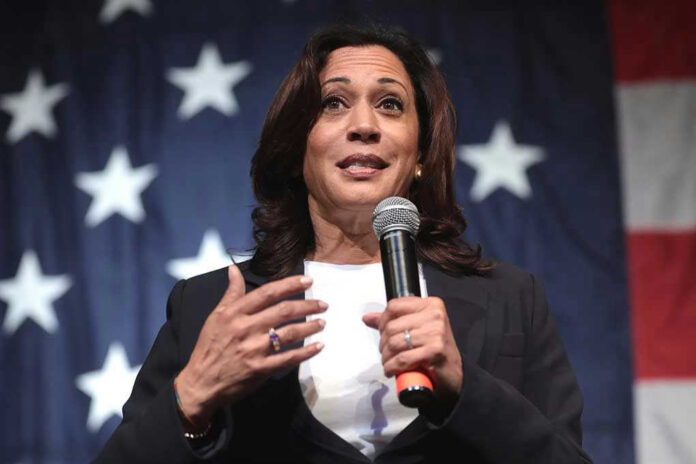
Former Vice President Kamala Harris has reignited speculation about a potential 2028 presidential run with a series of ambiguous public statements, raising questions about whether Democrats learned anything from her 2024 defeat.
Story Snapshot
- Harris delivered non-committal responses about a 2028 run during recent public appearances, stating “I might” and “I’m thinking about it”
- The comments came during a National Action Network convention with Rev. Al Sharpton and a video interview with author Sharon McMahon
- Her 2024 presidential campaign ended in failure, yet she appears to be testing the waters for another attempt
- Media outlets amplified her vague statements as a “bombshell,” fueling political speculation despite the lack of any concrete announcement
Harris Tests Waters After 2024 Loss
Kamala Harris addressed questions about a potential 2028 presidential bid during recent public engagements, offering responses that carefully avoided commitment while keeping the door open. During a video interview with author Sharon McMahon, Harris responded to direct questions about running again with “I haven’t decided” and “I might.” At the National Action Network convention, when pressed by Rev. Al Sharpton, she repeated: “Listen, I might. I might. I’m thinking about it.” She framed her potential decision around serving the American people, adding “I’ll keep you posted.”
Pattern of Political Calculation Emerges
Harris’s career trajectory reveals a pattern of positioning for higher office. She served as California Attorney General and U.S. Senator before becoming Vice President from 2021 to 2025. Her 2024 presidential campaign, which followed Joe Biden’s withdrawal from consideration, ended in defeat. Rather than stepping back from national politics, she has maintained visibility through strategic public appearances. These calculated moves suggest she’s gauging party support and donor interest while the Democratic field for 2028 remains unsettled, with figures like California Governor Gavin Newsom reportedly positioning themselves.
Media Amplifies Speculation Machine
Media outlets quickly seized on Harris’s comments, framing them as major developments despite their vague nature. YouTube channels and other platforms amplified clips with sensational titles like “DROPPED BOMBSHELL,” creating speculation loops that benefit both Harris and media organizations seeking engagement. Political commentators noted that her openness, however non-committal, effectively tests the waters without formal campaign obligations. The coverage ignited what some outlets described as a “global conversation” about 2028, though critics mocked her indecisiveness following her 2024 failure. Harris emphasized her experience, stating “I know what the job is,” positioning herself as a known quantity in an uncertain field.
Questions About Democratic Party Direction
Harris’s potential comeback raises fundamental questions about Democratic Party strategy and whether party leaders have learned from recent electoral setbacks. Her 2024 loss should have prompted serious reflection about messaging, policy priorities, and candidate selection. Instead, the enthusiasm for recycling a failed candidate suggests a party establishment more focused on maintaining familiar faces than addressing why voters rejected their agenda. This approach frustrates Americans across the political spectrum who believe Washington elites prioritize their own careers over solving real problems facing working families struggling with inflation, economic uncertainty, and a government that seems disconnected from their daily lives.
The speculation surrounding Harris’s potential 2028 run will likely continue until she makes a definitive announcement. For now, her calculated ambiguity serves multiple purposes: maintaining political relevance, testing donor enthusiasm, and keeping options open while other candidates position themselves. Whether Democratic primary voters will embrace another Harris campaign after her 2024 defeat remains uncertain, but her willingness to consider another run demonstrates the persistence of political ambition even in the face of electoral rejection. This pattern exemplifies what many Americans see as the self-serving nature of career politicians who prioritize their own advancement over meaningful change.
Sources: