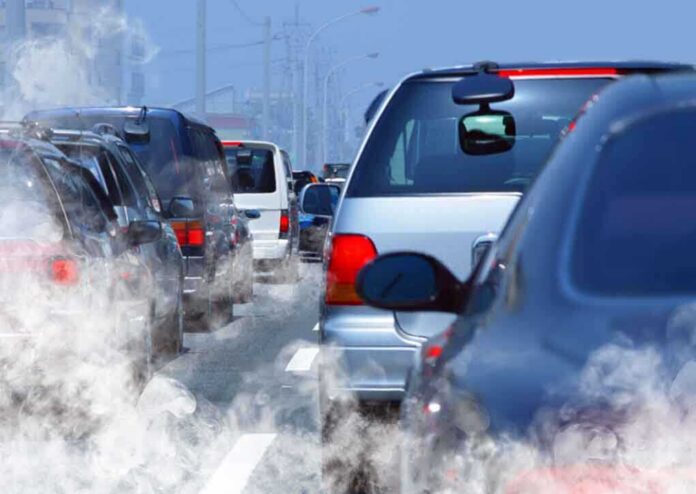
The Trump administration just eliminated the Obama-era regulations that incentivized one of the most universally despised automotive features in modern vehicles—the automatic start-stop system that kills your engine at every red light.
Story Snapshot
- EPA Administrator Lee Zeldin finalized elimination of 2009 Greenhouse Gas Endangerment Finding and associated vehicle emission regulations in February 2026
- Removal of off-cycle credits ends federal incentives for start-stop technology, projected to save consumers $2,400-$3,000 per vehicle and $1.3 trillion nationwide
- Administration characterizes action as largest deregulatory move in U.S. history, freeing automakers from costly compliance requirements
- Rollback eliminates greenhouse gas standards through 2027 with no new federal emissions standards planned beyond that date
Historic Deregulation Targets Consumer Frustration
President Trump and EPA Administrator Lee Zeldin announced the complete elimination of the 2009 Obama-era Greenhouse Gas Endangerment Finding in February 2026, dismantling the regulatory foundation that enabled vehicle emission standards since 2012. The move specifically targets off-cycle credits that incentivized fuel-efficiency technologies like automatic engine start-stop systems, which shut off engines when vehicles come to a complete stop. Trump characterized the feature as “hated” during the announcement, stating consumers were forced to endure engines dying at traffic lights. Zeldin declared it the “largest deregulatory action” in American history, promising to end what he called “climate participation trophies” that burdened taxpayers and consumers with unnecessary costs.
Regulatory Timeline From Obama to Trump
The Obama EPA issued the Greenhouse Gas Endangerment Finding in 2009, determining that vehicle emissions endanger public health and enabling comprehensive regulations on model year 2012 and later vehicles. These rules included Corporate Average Fuel Economy standards and off-cycle credits for efficiency technologies that didn’t require aerodynamic modifications. Zeldin first proposed rescinding the Endangerment Finding in July 2025, escalating Trump’s second-term deregulation priorities beyond his first administration’s partial CAFE standard rollbacks. The finalized February 2026 action completely removes the foundational regulatory authority, with no replacement standards planned after 2027. This represents a fundamental shift from Biden-era reversals of Trump’s initial regulatory changes, now permanently dismantling the Obama-era framework.
Economic Impact and Consumer Savings
The administration projects the regulatory elimination will save American families between $2,400 and $3,000 per vehicle purchase, totaling $1.3 trillion in nationwide economic relief. Representative Richard Hudson praised the move for ending “ridiculous” mandates, while Representative Jim Baird characterized it as historic relief for consumers and small businesses. Automakers benefit from eliminated compliance costs and technology development requirements, gaining flexibility to produce traditional gas-powered vehicles including SUVs and sports cars without efficiency penalties. The rollback means manufacturers can drop start-stop systems without federal consequences, addressing widespread consumer complaints about the technology. These savings extend beyond individual purchases to reduced transportation costs for goods and services across the economy.
Incentives Versus Mandates Distinction
A critical clarification emerges from automotive industry analysis: the Obama-era regulations never mandated start-stop technology but rather incentivized it through off-cycle credits that helped automakers meet emissions targets. Manufacturers adopted the systems voluntarily to gain regulatory advantages under the greenhouse gas standards framework. With those credits now eliminated, automakers face no requirement to continue using technology consumers found objectionable. The EPA advised manufacturers they can discontinue start-stop features without penalty, though the decision remains with individual companies based on market preferences and remaining state-level regulations. This distinction undermines claims that Obama “forced” the feature while validating concerns about federal incentives driving unpopular automotive design choices that prioritized regulatory compliance over consumer satisfaction.
Environmental and Industry Consequences
The immediate environmental impact includes rising greenhouse gas emissions from new vehicles as efficiency technologies become optional rather than incentivized. The EPA’s own analysis claims minimal global climate effect from U.S. vehicle emissions through 2100, a justification administration officials cite for the rollback. Long-term industry consequences may include diminished American competitiveness in electric vehicle development as the regulatory focus shifts toward traditional internal combustion engines. While consumers gain near-term affordability and choice restoration, the United States potentially lags behind international markets where emissions standards continue tightening. The action reflects a broader administration philosophy prioritizing immediate economic relief and consumer preference over long-term environmental objectives, a stance that resonates with Americans frustrated by costly regulations that delivered marginal benefits while making everyday driving experiences more annoying.
Sources:
Autoblog: EPA scraps Obama emissions standards under Trump
White House: President Trump Delivers Biggest Regulatory Relief in History
Road & Track: Trump Administration Ends Obama-Era EPA Rules