U.S. Southern Command says a Caribbean strike killed four confirmed narco-terrorists aboard a go-fast boat running an established drug route, marking another hard hit on cartel networks.
Story Highlights
- U.S. Southern Command reported a lethal strike on a suspected drug boat, killing four targets.
- Joint Task Force Western Hemisphere carried out the operation under Southern Command’s direction.
- Officials said confirmed intelligence tied the vessel to active drug trafficking.
- Critics questioned public evidence and raised legal concerns about lethal force at sea.
Southern Command Details The Strike And Target
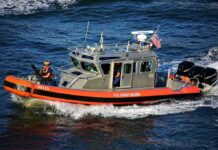
U.S. Southern Command said Joint Task Force Western Hemisphere hit a high-speed “go-fast” vessel on September 19 in the Caribbean Sea. The command reported that four people, described as narco-terrorists, were killed. Officials said the boat operated along a known trafficking corridor and was part of an active network. The military framed the strike as a counter-narcotics action tied to ongoing regional pressure on cartels that poison American communities with fentanyl, cocaine, and meth precursors.
Southern Command stated that intelligence confirmed the vessel’s role in narcotics movement before the strike. The command said the targets used fast boats to evade interdiction and move contraband into distribution pipelines. That pattern, according to the military, justified a lethal response to disrupt a shipment and degrade a trafficking cell. Press summaries from the weekend echoed the command’s account and cited its formal language describing the intelligence picture and the chain of command.
Who Executed The Mission And Why It Matters Now
Joint Task Force Western Hemisphere, operating under Southern Command, executed the strike after receiving direction from higher headquarters. The task force is focused on the southern approaches, where cartels test U.S. borders and coastal defenses. By hitting a go-fast craft on a known route, the operation sought to raise risks for smugglers and lower their payoff. The command highlighted the date, the unit, and the vessel type to show accountability and tactical intent in the mission.
For many readers, this action reflects a broader shift from slow catch-and-release to fast disruption and denial. Cartels exploit weak states and flood American streets, driving overdoses, gang violence, and human misery. A precise strike on a trafficking node may save lives up the chain by stopping poison from landing at U.S. docks. Under President Trump, national security leaders have leaned on tougher tools to protect the homeland, secure sea lanes, and push cartels off balance.
Supporters Cite Security Gains; Critics Challenge Legal Basis
Supporters argue that lethal action against confirmed smuggling operations is lawful when threats persist at sea and suspects refuse compliance. They say cartels are transnational criminal organizations that arm crews, use scouts, and endanger U.S. personnel and partners. They point to the strike’s chain of command, the known route, and the intelligence summary as signs of a careful process. They also note that interdictions often recover weapons, fuel, and smuggling gear from similar boats.
US military says it killed 4 in strike on alleged drug-smuggling boat in the Caribbean https://t.co/Xp8gZfggTE
— ABC11 EyewitnessNews (@ABC11_WTVD) September 21, 2026
Critics, including some human rights advocates and international law commentators, questioned the public evidence and raised legal concerns about lethal force on suspected smugglers outside armed conflict. A recent Reuters report described objections that label such actions as extrajudicial killings and pressed officials for more disclosed proof about the targets and cargo. Southern Command cited confirmed intelligence but did not share additional details in that reporting, keeping many specifics classified.
What We Know, What We Do Not, And Why Transparency Matters
We know Southern Command says four narco-terrorists were killed on a go-fast boat along a known drug route. We know the date, the unit, and the command authority. We know the military described the intelligence as confirmed before the strike. We do not know the precise location, the boat’s identification, or the names of those killed from the public record. Those gaps sustain debate, even as officials insist operational security limits disclosure.
Readers should separate two questions. First, did the military present a coherent, specific account? The chain, date, method, and route suggest yes. Second, did officials show enough public evidence to silence critics? Based on open reporting, not yet. Still, cartels bank on our hesitation. When Washington dithers, traffickers surge. The Trump administration’s mandate is to defend Americans. That starts by denying cartels free runs on the high seas while pushing for measured transparency that does not tip tactics.
The Stakes For Border Security And American Families
Every successful smuggling run fuels gangs, overdoses, and broken homes. Families see the cost in their towns, not just at ports. A fast strike that halts a shipment can blunt a wave of street crime weeks later. That is why many conservatives back pressure at sea, strong borders, and tough sentencing on the back end. The mission described by Southern Command signals that traffickers face higher risks and fewer safe lanes to our shores.
Going forward, Congress should demand regular briefings that protect sources but verify results. The administration should continue hitting key nodes while coordinating with Coast Guard boardings, partner patrols, and targeted sanctions. America needs secure borders, strong families, and safe streets. Stopping cartel boats before they reach our doorstep is a commonsense step toward that goal, and this strike fits that approach if the intelligence case is as solid as the command states.
Sources:
tribuneindia.com, stripes.com, politico.com, washingtonexaminer.com, reuters.com
© impactheadlines.com 2026. All rights reserved.