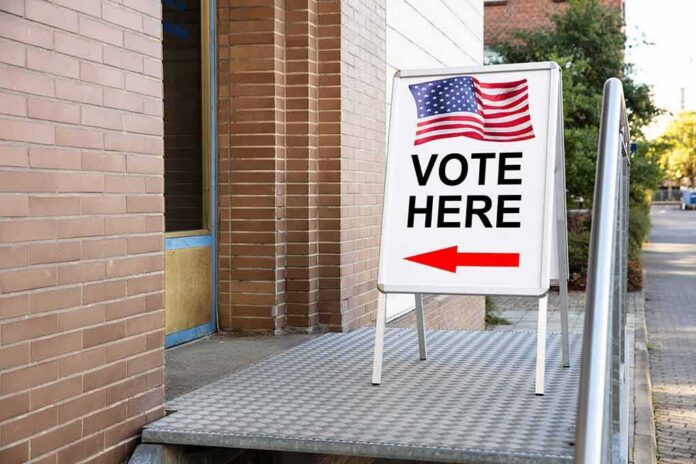
Speaker Mike Johnson sent the House home early, skipping Thursday votes and locking in a pre-midterms recess that spotlights power, priorities, and the clock.
At a Glance
- Johnson ended the week early and set recess to run until after the midterms.
- House Democrats urged him to cancel recess and stay to pass artificial intelligence safeguards.
- Leaders framed the break as standard election-year scheduling, with a return for a lame-duck session.
- Debates on artificial intelligence, spending, and impeachment push into November.
What Johnson Did And Why It Matters Now
Speaker Mike Johnson canceled Thursday votes and told members to head home, moving the House into an election recess that runs until early November, according to reports on the schedule change. The decision fits a long pattern. Congress often compresses floor time before midterms and then returns for a lame-duck session to finish must-pass work. The practical effect is clear. Contentious fights shift past the campaign’s final sprint, and members spend every daylight hour in their districts.
Supporters of the move point to basic math. Tight margins make surprise floor fights risky right before voters judge the majority. Campaign time is not vacation; it is when representatives defend records, raise funds, and meet voters. Congress has long used recess to manage that reality, then reconvenes to clear the decks after ballots are cast. This is not new. It is how majorities try to hold the gavel when every seat could swing control.
The Push To Stay In Washington For Artificial Intelligence
Dozens of Democrats pushed back. A letter led by Representative Sam Liccardo urged Johnson to cancel the break and keep lawmakers in session until Congress advances bipartisan safeguards on artificial intelligence, warning of “catastrophic risk” from advanced systems. House Minority Leader Hakeem Jeffries called for immediate action and asked to keep Congress in session until decisive protections pass. Backers cited proposals like evaluation standards and emergency “kill switch” powers for unsafe models.
That demand lands with real urgency but narrow focus. The letter centers on artificial intelligence harms, while the floor calendar must juggle spending, nominations, and other fights. On substance, the artificial intelligence case is serious. On process, fast law with weak consensus can backfire. A pause to build a bipartisan core, hear industry and lab leaders, and draft tight language may serve public safety better than a rushed roll call that fails or fractures in court.
Election-Year Schedules: Normal, Not Novel
Congress in election years works fewer days in Washington and pushes complex votes into the lame-duck window. The Congressional Research Service notes that when leaders plan post-election work, they recess across the election rather than adjourn for the year, then reconvene to finish business within the same Congress. Media notices this cycle also flagged canceled September work weeks and a shorter runway to midterms, consistent with past practice. Voters often grumble, but members see district time as core to the job, not a perk.
This is why the Johnson call reads as strategy, not surprise. Leaders avoided a last-minute stumble on polarizing items and gave frontline members time to campaign. From a conservative lens, this respects federalism and accountability: face your voters first, then return to legislate with a fresh mandate. If Democrats believe artificial intelligence deserves a pre-election vote, they can keep building bipartisan support so the lame-duck session moves quickly on clear, limited, and enforceable rules.
What Slid To November And How To Judge It
Several high-heat items move to the lame-duck calendar. Reports say debates on artificial intelligence oversight, spending timing, and the impeachment push against Defense Secretary Pete Hegseth were in the mix as the House left town. None vanish. They only age two months. The test will be whether leaders use that time to sharpen bills, count votes, and deliver clean text ready for floor action. Voters should expect clarity before Thanksgiving, not vague promises.
House speaker calls early recess before midterms amid AI regulation frenzy https://t.co/6U67WAFGJj via @@Yahoo
— GGP Bill☺ (@Stream25Bill) September 17, 2026
Here is the common-sense filter. If artificial intelligence risks are as dire as some claim, Congress should write rules that target real failure modes, fund real enforcement, and avoid gagging small innovators. If spending must be extended, do it with restraint and a plan to cut waste. If impeachment articles advance, present the evidence and take the vote. Recess is not the story. Results are. November will show whether this schedule was discipline or delay.
Sources:
thegatewaypundit.com, yahoo.com, ua.news, uk.news.yahoo.com, nbcnews.com, newsweek.com, politico.com, afp.com, govinfo.gov, pewresearch.org
© impactheadlines.com 2026. All rights reserved.