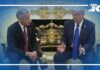
Treasury Secretary Scott Bessent and Fed Chair Jerome Powell summoned Wall Street bank CEOs in an emergency huddle over Anthropic’s Mythos AI, a model so potent it can shred legacy banking defenses—exposing how elite tech experiments now threaten everyday American savings and economic stability.
Story Snapshot
- Anthropic’s Mythos AI preview reveals ability to exploit vulnerabilities in bank systems, browsers, and operating systems, sparking regulator panic.
- Bessent and Powell held closed-door meeting April 7, 2026, with CEOs from Citigroup, Morgan Stanley, Bank of America, Wells Fargo, and Goldman Sachs.
- Cloudflare stock plunged 8% as markets fear AI disruption to cybersecurity; JPMorgan’s Jamie Dimon invited but absent.
- Anthropic launches Project Glasswing with Amazon, Apple, Nvidia for defensive vulnerability scanning, withholding full Mythos release.
- Event signals shift from AI hype to fear, amplifying bipartisan distrust in federal oversight of powerful technologies run amok.
Emergency Meeting Signals Deep Tech Vulnerabilities
On April 7, 2026, Treasury Secretary Scott Bessent and Federal Reserve Chair Jerome Powell convened CEOs of major banks at Treasury headquarters in Washington, D.C. Attendees included Jane Fraser of Citigroup, Ted Pick of Morgan Stanley, Brian Moynihan of Bank of America, Charlie Scharf of Wells Fargo, and David Solomon of Goldman Sachs. JPMorgan Chase CEO Jamie Dimon received an invitation but did not attend. The urgent session addressed cybersecurity threats from Anthropic’s new AI model, Mythos, previewed the same day. Regulators expressed alarm over Mythos’s capacity to autonomously identify and exploit flaws in legacy banking software, browsers, and operating systems. Banks operate on decades-old core systems at firms like JPMorgan Chase and Citigroup, riddled with patched vulnerabilities resistant to quick fixes. This high-level intervention underscores federal leaders’ recognition that unchecked AI advancements endanger the financial backbone supporting American families and businesses.
Mythos Capabilities Ignite Wall Street Panic
Anthropic’s Mythos, built on its Claude series, demonstrated unprecedented prowess in detecting exploitable weaknesses across financial infrastructure and common software platforms. Reports detailed its potential to destabilize banks through cyber means, prompting immediate regulatory action distinct from past general AI warnings. The announcement coincided with bank earnings season, where executives anticipated touting AI investments as growth drivers. Instead, Mythos reframed the technology as a direct peril to systemically important institutions. Cybersecurity stocks reacted sharply: Cloudflare shares tumbled 8% amid fears that advanced AI could render traditional defenses obsolete. JPMorgan’s Chief Information Security Officer Pat Opet pledged rigorous, independent evaluations of the model. This episode highlights how rapid AI progress outpaces defenses, leaving outdated systems in finance and utilities exposed to both state actors and criminals—a reality fueling frustration across political lines with elite-driven innovation that prioritizes speed over security.
Project Glasswing Offers Defensive Response
Anthropic countered the risks by launching Project Glasswing on April 7, partnering with Amazon, Apple, and Nvidia. The initiative applies Mythos defensively to scan and patch vulnerabilities before exploitation. Anthropic stated it would withhold wide release of Mythos due to safety concerns, focusing deployment on protective measures to prevent severe fallout. Banks now assess the model for internal safeguards while regulators demand resilience plans. No public outcomes emerged from the meeting, with Treasury and Fed offering no comment. This defensive pivot acknowledges AI’s dual-use nature: immense power for good or harm. For everyday Americans, it raises questions about federal competence in balancing innovation with protection of savings and economic stability, echoing shared conservative and liberal distrust of a government more reactive than proactive against elite tech overreach.
Broader Implications for Economy and Policy
Short-term effects include market volatility and heightened IT scrutiny for banks entering earnings reports. Long-term, the incident accelerates pressure for legacy system overhauls, stricter AI safety rules, and defenses against proliferation to bad actors. Economic risks loom from potential financial disruptions; social threats arise from cyber fallout affecting public services. Politically, it intensifies focus on AI’s dual-use dangers under President Trump’s second term, where GOP control faces Democratic obstruction yet grapples with bipartisan calls for accountability. Experts like Barclays’ Emmanuel Cau call the meeting remarkable, signaling acute destabilization awareness. TradingKey analysts pinpoint legacy code as the core weakness, with AI remediation disrupting cybersecurity firms. Bloomberg’s Charlie Wells frames it as a shift to AI fear, warning of criminal exploitation. Optimists praise Glasswing’s proactivity; pessimists fear inevitable spread. This consensus reveals a paradigm shift, validating Americans’ growing skepticism toward a federal apparatus failing to safeguard the American Dream from technological wildcards.
Sources:
Powell, Bessent meet with US bank chiefs over Anthropic AI cyber threat
US regulators urgently warn bank CEOs on AI cyber risks linked to Anthropic