One player’s plainspoken call to “protect young girls” lit a fuse that spilled from an ESPN profile to rallies outside WNBA arenas within days.
Story Snapshot
- Indiana Fever guard Sophie Cunningham said girls “shouldn’t have to go against biological men,” sparking protests and support rallies.
- Cunningham reiterated her stance as “common sense” while denying anti-trans animus and urging civility among fans.
- Small but visible rallies formed outside multiple games, tying the debate to state ballot efforts and broader politics.
- The Fever and parts of the league offered limited comment, allowing outside voices to shape the narrative.
What Cunningham Said And Why It Hit A Nerve
On July 22, 2026, Sophie Cunningham told ESPN she wanted to “protect young girls in a locker room” and said girls “shouldn’t have to go against biological men” in sports. She later called that view “common sense,” while saying she bore no hatred and was “here to extend love”. USA Today reported she defended her stance and denied anti-trans animus the same day, framing her comments as support for women’s protections rather than personal attacks.
Reports did not tie her remarks to any named transgender athlete or a specific game incident. The record centered on her quotes and the public response around them, not a contested eligibility case. That gap set the terms of debate: a broad claim about fairness and privacy versus calls for inclusion, with few concrete facts to test on the court. That helped the issue spread fast online and at arenas, where emotions run hot.
From Interview To Rallies Outside Arenas
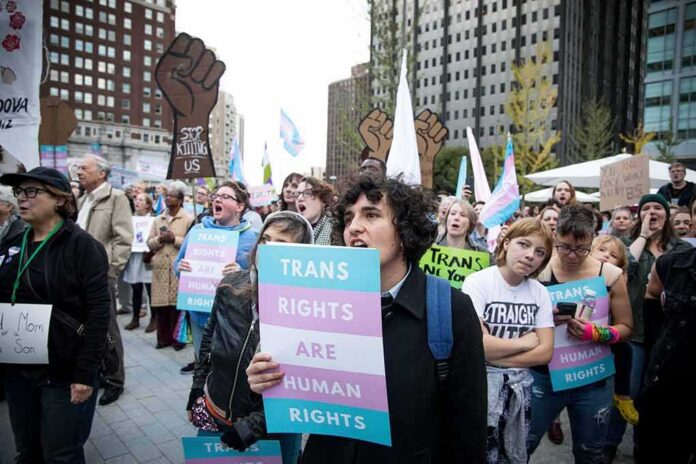
Within a week, supporters gathered outside Fever games. ESPN described a crowd of “a few dozen” at Seattle, where organizers also promoted state initiatives to restrict transgender participation in girls’ sports. Coverage in Minnesota and elsewhere showed the pattern repeating: small but vocal rallies, counterprotests, and chants that framed the league as a proxy battlefield for national politics.
Cunningham told reporters in Portland on August 1 that fans were using their speech rights and that she had “nothing to do with” organizing the demonstrations. She thanked supporters as “courageous,” but asked that people keep things peaceful and respectful. The Athletic and Associated Press reporting, summarized by major outlets, documented the dueling crowds outside and the boos inside, as the story overshadowed basketball.
Silence From Institutions, And A Narrative Vacuum
Indiana Fever leaders did not answer questions about the Seattle rally, according to ESPN. Some players were not made available postgame, which left space for outside commentators to define the stakes. That silence deepened frustration on both sides: supporters saw it as avoidance of a safety and fairness debate; opponents saw it as tacit tolerance of exclusionary rhetoric. Either way, a vacuum replaced clear guidance on rules and next steps.
Coverage repeatedly noted what was missing. No league rulebook passages appeared in reports to show how the Women’s National Basketball Association currently handles eligibility or locker-room policy. No specific security reports were presented to verify threats around the protests. Without those anchors, the public saw clips, slogans, and a familiar culture-war loop, rather than concrete governance choices or data.
How This Fits A Larger National Fight
This clash mirrors a broader trend. High-profile comments become symbols for deeper questions about sex categories, privacy, inclusion, and fairness. Research reviews and governing bodies pull in different directions, and states layer on new rules. The result is a confusing maze where athletes and fans trade chants while institutions issue brief statements or none at all. The National Collegiate Athletic Association, for example, issued a statement in 2021 backing transgender athletes’ opportunity to compete.
And every WNBA player, whether it's Caitlin Clark, Sophie Cunningham or whoever, that they talk to about this should stand for Natasha
This ain't no type of protest. He's harassing those women at their workplace and saying some dumb-ish and I'm gonna block you https://t.co/s0qPadsS3H
— Randall Barnes (@AuthorRandallB) August 24, 2026
Americans across the spectrum see something else here: leaders dodging tough choices. Whether you fear unfair play or fear discrimination, you watch officials pass the buck. That feeds the belief that powerful people manage headlines, not problems. Clear steps could help: publish current league eligibility and locker-room policies, release security incident logs from rally nights, and host open forums with athletes and medical experts. Sunlight, not slogans, builds trust.
Sources:
facebook.com, nytimes.com, nbcchicago.com, cbssports.com, usatoday.com, sportingnews.com, foxnews.com, democrats-edworkforce.house.gov
© impactheadlines.com 2026. All rights reserved.