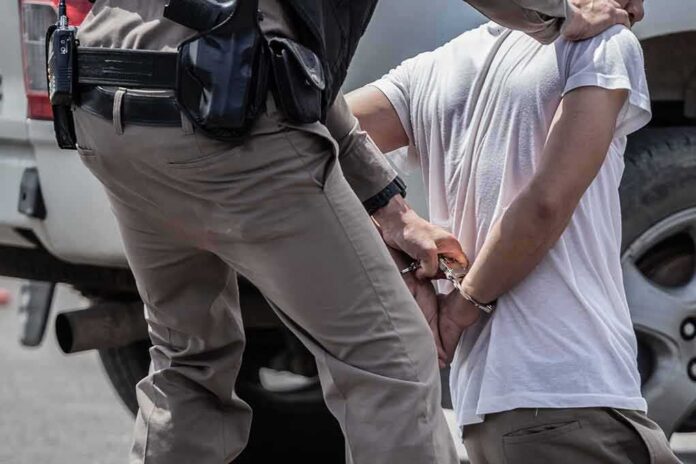
A simple tap on your car’s taillight during a stop is a safety move with a paper trail.
Story Snapshot
- Police often touch the rear of a car during traffic stops to mark contact and manage risk.
- Union and training voices say the touch can leave fingerprints that link the officer to the stop.
- Officers may also check that the trunk is shut and take a brief tactical pause before approaching.
- Dash cameras and body cameras reduce the need, but the habit still shows up in the field.
What the taillight tap is and why officers use it
Police trainers and union officials describe a common tactic during traffic stops: touching the rear of a vehicle before reaching the driver window. The move is meant to manage risk in a tense moment and to mark that contact occurred. Some officers place a hand on the taillight or trunk, then step to the side of the car. That touch can steady the officer’s approach and put the driver on notice that an officer is present.
Law enforcement sources also describe an evidence angle. Touching the vehicle can leave a fingerprint that links the officer to that exact car and stop if something later goes wrong, such as a chase or an assault. Reader’s Digest quoted a retired New Jersey police academy instructor who said the “taillight tap” leaves fingerprint evidence to prove the officer was there. Supporters say the print acts like a time-stamped breadcrumb in an unpredictable setting.
What else the tap checks before the window talk
Veteran officers say the rear touch sometimes doubles as a trunk check. A quick press can confirm the trunk is closed before the officer moves alongside the vehicle, reducing the chance of a surprise from the rear. Trainers frame the tap as a brief tactical pause. The officer scans for movement inside, listens for voices, and checks the car’s condition. That one-second break can reset the approach in a high-stress stop on a dark shoulder.
Public explainers describe the touch as a low-tech habit that spread before dash cameras and body cameras became common. Cameras now record most stops from start to finish. That record can make the fingerprint idea less central today, but the habit still shows up because officers were taught it for years and it costs nothing to do. Some departments lean more on camera policy and positioning drills, yet the rear tap remains part of many officers’ muscle memory.
What drivers should expect and why it matters now
Drivers who feel a brief tap on the back of the car should not panic. The touch is legal as part of a stop and is used to manage safety and contact. Officers are trained to control small variables that cut risk on the roadside. The rear touch is one of those small controls. It can signal presence, confirm the car is stable, and create a basic record of contact before the face-to-face talk begins.
This small tactic sits inside a larger debate about trust, training, and transparency. Many Americans think public safety systems are opaque and serve insiders more than citizens. Clear explanations of routine steps can help reduce tension on both sides of the window. When people know what to expect, stops can be calmer and safer. That is good for officers trying to get home safe and for families who want fair, predictable treatment on the road.
Sources:
youtube.com, carparts.com, news.yahoo.com, threebrosauto.com
© impactheadlines.com 2026. All rights reserved.



![AIR FRANCE A320 & Business Lounge 🇫🇷 Paris CDG to Tunis 🇹🇳 [FULL FLIGHT REPORT]](https://impactheadlines.com/wp-content/uploads/sites/27/2026/08/maxresdefault-34-218x150.jpg "Misbehavior Kills Air France Sauna")