A new policy threatens Second Amendment rights, sparking outrage among patriots.
Story Highlights
- A U.S. military operation in Venezuela has heightened tensions with Cuba.
- Cuban President Miguel Díaz-Canel condemns U.S. actions, sparking fear of further escalation.
- The operation reflects ongoing U.S. pressure on Latin American regimes.
- Cuban economy’s reliance on Venezuelan oil is at risk, increasing domestic instability.
U.S. Military Operation Sparks Cuban Outcry
On January 3, 2026, U.S. elite units captured Venezuelan President Nicolás Maduro in a high-stakes operation in Caracas. This bold move, part of Operation “Absolute Determination,” aimed to bring Maduro to justice for narco-terrorism. Soon after, Cuban President Miguel Díaz-Canel addressed a rally in Havana, condemning the U.S. actions as “state terrorism” and a “violation of international law.” This rhetoric is part of Cuba’s longstanding defense of its ally, Venezuela, amid fears of regional instability.
Cuba’s Economic Woes Deepen
Cuba’s economy, already fragile due to ongoing U.S. sanctions and a prolonged crisis, could face further strain following the U.S. action. With Venezuela providing up to 30% of Cuba’s oil imports, the capture of Maduro threatens this critical lifeline. This dependency on Venezuelan oil has been a cornerstone of Cuba’s economic survival, particularly crucial as the island nation faces shortages and blackouts.
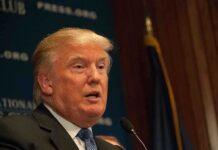
The Trump administration’s pressure on Latin American regimes, including Cuba, highlights its focus on promoting democracy and combating socialism. Marco Rubio, U.S. Secretary of State, labeled Cuba a “huge problem” following the Venezuela operation, suggesting potential further actions against the Cuban regime.
Potential for Escalation in U.S.-Cuba Relations
The U.S. capture of Maduro has not only sparked a political outcry in Cuba but has also heightened fears of economic destabilization. As President Trump and Secretary of State Rubio continue to signal a hardline stance, the Cuban government is rallying domestic support to counteract the perceived threat. Díaz-Canel’s speeches focus on uniting the Cuban people against perceived U.S. aggression, framing it as an imperialist threat to regional stability.
While Trump has indicated no immediate military action against Cuba, his rhetoric suggests that the U.S. is watching closely, and Cuba’s reliance on Venezuelan oil makes it vulnerable. This situation raises questions about the future of U.S.-Cuban relations and the potential for further regional interventions.
Sources:
Rubio labels Cuba ‘huge problem’ after US move against Venezuela
Concern in Cuba after Venezuela operation
Regional and global reactions to the operation in Venezuela
After Venezuela assault, Trump and Rubio warn Cuba, Mexico, and Colombia could be next