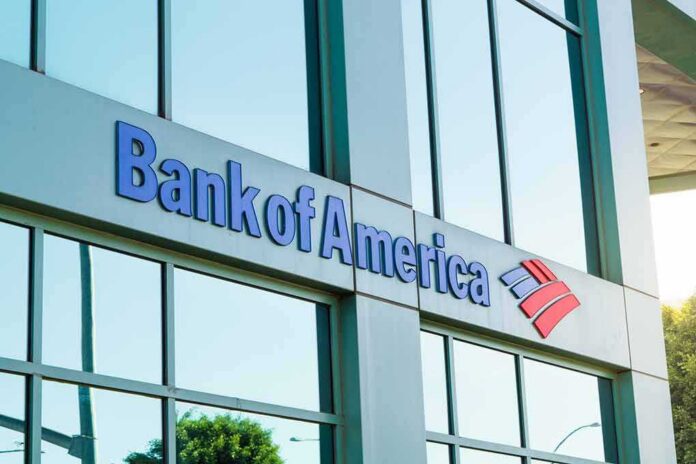
The nation’s top bank regulator says nine of America’s largest banks used vague “reputation risk” rules that sidelined people for their beliefs—not their balance sheets.
Story Snapshot
- The Office of the Comptroller of the Currency (OCC) reviewed big-bank policies and cases from 2020–2025.
- Regulators found reputation-risk rules lacked clear, objective standards and disadvantaged some customers.
- Reported impacts hit political, religious, and lawful but controversial groups and merchants.
- The OCC has moved to curb the practice through tightened oversight and guidance.
Regulator’s Finding: Policies Let Beliefs Trump Risk
The Office of the Comptroller of the Currency reported that all nine banks it reviewed used broad reputation-risk policies that lacked clear, objective criteria. The report concluded those policies disadvantaged Americans based on political, religious, or social views, or ties to lawful yet disfavored activities. The regulator’s message was simple: banks must judge customers by financial and compliance risk, not by viewpoint. That demands written standards, consistent processes, and documented, risk-based decisions.
The examination pulled thousands of bank documents and complaints from 2020 to 2025 to map how decisions were made. Investigators looked for who decided, what data they used, and how they recorded the reasons. The review’s scope and method mattered because banks often cite many risks at once. The regulator separated lawful anti-money-laundering needs from subjective brand concerns to see when “reputation” became a catch-all veto.
Real-World Impact: Accounts Closed, Credit Denied
News outlets that reviewed the findings reported that the affected customers included conservative organizations, religious groups, pro-life causes, and other lawful merchants. The common thread was the use of reputation-risk language to restrict service, often after public pressure or media heat, not after a clear, objective risk review. The regulator’s write-up pointed to overbroad policies that could sweep in mainstream civic groups if a bank feared a viral backlash.
Several banks publicly stated they do not discriminate based on politics or religion. Some also said they banned accounts for sound reasons tied to compliance. Those statements do not erase the regulator’s core finding: written policies and internal controls allowed viewpoint-based outcomes. Conservative readers should weigh that gap between paper promises and operational results. Rules that leave room for ad hoc reputation calls can become tools to sideline lawful voices.
Why Reputation Risk Became A Shortcut
Bank boards have long managed reputation risk because trust is their lifeblood. But in the past decade, reputation went from a qualitative board topic to a gate that could shut customers out. That shift mirrors earlier cycles where regulators and banks leaned on “risk” labels to choke off lawful but controversial sectors, as seen during the Operation Choke Point era. The new report shows how a flexible idea, when unchecked, can morph into a quiet blacklist.
Major US banks denied services to customers over political views – regulator
A Treasury Department review found that nine banking giants discriminated against clients over their beliefs and business activities
Published 15 Oct, 2026 (FULL)https://t.co/4mN5VHrZkW
Nine of the…— rbg4lif 🟥⬛🟩 (@rbg4lif) October 15, 2026
From an American conservative lens, the fix is not to ignore reputation. The fix is to fence it in. Require banks to start with objective, risk-based criteria: credit, fraud, sanctions, and crime. Demand plain documentation for each decision. Ban the use of political or religious labels as a proxy for danger. When a bank cites public outcry, ask for the measurable risk link. If there is none, the answer should be service, not silence.
What Changes Now: Guardrails, Not Slogans
The Office of the Comptroller of the Currency already moved to tighten oversight. Guidance from 2025 signaled a holistic review of banks’ records and policies, with the power to factor unfair practices into licensing and ratings. That step raises the cost of sloppy reputation screens and rewards clear, risk-based choices. It does not pick sides. It forces a fair process for all sides.
Expect three practical shifts. First, banks will rewrite reputation-risk policies to define terms, set thresholds, and require senior sign-off. Second, compliance teams will separate reputation talk from anti-money-laundering law, so one cannot hide behind the other. Third, customers who were turned away may ask for re-review under the new standards. That is how you protect free association and equal access without weakening safety and soundness.
The Bottom Line: No More Soft Blacklists
The regulator’s verdict is clear: nine major banks let vague reputation screens disadvantage people for their beliefs. The cure is clarity. Tie decisions to objective, provable risk. Write it down. Apply it the same way to every customer. Viewpoint is not risk. It is a right. Banks that embrace that line will keep trust, stay safe, and serve the whole public, not just the loudest crowd.
Sources:
pjmedia.com, okcfox.com, occ.treas.gov, cnbc.com, rmb.reuters.com, axios.com
© impactheadlines.com 2026. All rights reserved.