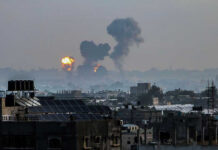
Ukrainian President Volodymyr Zelensky’s recent warning to the Kremlin signifies a potential shift in the geopolitical landscape, raising concerns about increased military escalation.
Story Highlights
- Zelensky warns Kremlin leaders to be prepared for potential strikes on Russian power centers.
- The U.S. supports Ukraine with advanced weaponry, including Patriot and HIMARS missiles.
- President Trump reverses policy, pledging continued arms shipments to Ukraine.
Zelensky’s Warning to the Kremlin
On September 25, 2025, in a bold move, Ukrainian President Volodymyr Zelensky warned Kremlin officials in an interview with Axios that they should “know where the bomb shelters are.” This stern message comes amid discussions of U.S. providing Ukraine with advanced long-range weapons. Zelensky’s statement underscores a clear shift in Ukraine’s strategy, emphasizing that while civilian targets remain off-limits, military and energy infrastructures are legitimate targets.
This warning follows the approval of a new U.S. aid package to Ukraine on September 16, 2025, under a NATO-backed deal. The package includes Patriot and HIMARS missiles, marking significant U.S. support for Ukraine’s defense capabilities. President Trump announced on September 23, 2025, the continued supply of U.S. weapons to NATO for use in Ukraine, aligning with Zelensky’s stance against Russian aggression.
U.S. Policy Shift and Continued Support
The U.S. administration, under President Trump, has reversed its earlier position, now actively backing Ukrainian strikes on Russian targets. This policy shift highlights a commitment to curbing Russian advances and supporting Ukraine’s right to self-defense. The strategic supply of advanced weaponry, such as long-range missiles, aims to enhance Ukraine’s deterrence capabilities and pressure Russia into negotiations.
The renewed U.S. military support comes amidst ongoing Russian missile and drone attacks on Ukrainian cities. Despite previous diplomatic efforts, including summits between U.S., Russian, and Ukrainian leaders, peace talks remain stalled due to Russia’s persistent aggression. Ukraine, leveraging Western military aid, continues its strategy of targeting Russian military infrastructure.
Risks of Escalation and Future Implications
Zelensky’s warning and the U.S.’s commitment to supporting Ukraine with advanced weaponry carry risks of further escalation. Russian officials, including Dmitry Medvedev, have responded with threats of deploying advanced weaponry “that no bomb shelter can protect against,” raising fears of retaliation. The situation in Eastern Europe remains tense, with potential impacts on global energy markets and European security dynamics.
🚨BREAKING: Zelensky tells Kremlin leaders they should 'know where the bomb shelters are' in ominous warning. Ukrainian President Volodymyr Zelenskyy tells Kremlin o… https://t.co/84gHZ0YaMi
— Extra! Extra! (@____iiiiii__) September 25, 2025
Experts warn that while Ukraine’s enhanced military capabilities could force Russia into negotiations, it also risks provoking disproportionate retaliation. The defense industry anticipates increased demand for advanced weaponry, reflecting the shifting dynamics in the region. As the situation evolves, stakeholders must navigate the delicate balance between deterrence and escalation.
Sources:
Zelensky asks Trump for missiles to strike Russia’s key targets, power centers