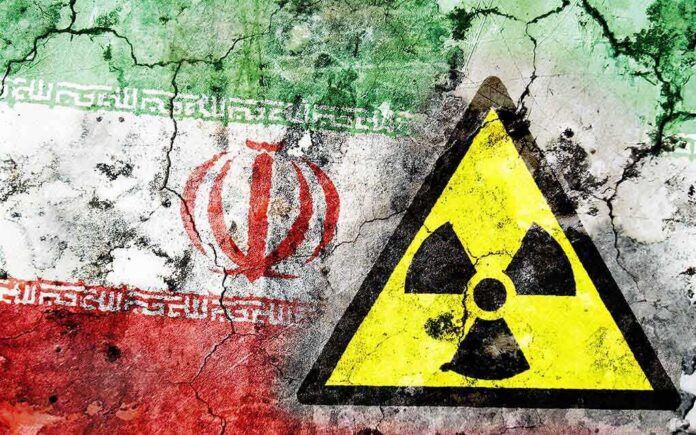
Iran’s “apology” to Gulf neighbors comes with a warning that they could still be targeted—an all-too-familiar reminder that words mean little when missiles are already in the air.
Quick Take
- Iranian President Masoud Pezeshkian publicly apologized to Gulf states after Iranian missiles and drones affected their airspace and, in some cases, territory during attacks tied to the Iran–Israel–U.S. conflict.
- Iran paired the apology with a conditional promise to halt strikes impacting neighbors—unless attacks on Iran originate from those countries.
- Iran simultaneously rejected President Donald Trump’s demands and signaled it would continue strikes connected to its confrontation with Israel.
- Gulf states remained on heightened alert as air defense activity and regional diplomacy intensified alongside continued operations.
Iran’s Apology: Conciliatory to the Gulf, Defiant to Washington
Iranian President Masoud Pezeshkian delivered a televised message apologizing to Gulf neighbors after Iranian drone and missile operations tied to the wider conflict affected Gulf airspace and, according to reporting, struck or sent debris into parts of the region. Pezeshkian said Tehran has “no hostility” toward countries in the region, framing Iran’s military actions as directed at Israel and linked to self-defense claims in the unfolding confrontation.
New: Iran Offers "Apology," Makes Laughable Announcement to Gulf States It Bombedhttps://t.co/bQFrFLH7MB
— RedState (@RedState) March 7, 2026
That apology did not come with an unconditional stand-down. Pezeshkian said Iran would halt strikes that impact neighboring Gulf states only so long as those countries do not become launch points for attacks on Iran. In practical terms, the message offered reassurance and a deterrent in the same breath: Gulf capitals are told they are not the target—unless they permit their territory to be used in ways Tehran defines as hostile.
How the Region Got Here: Pre-emption, Retaliation, and Spillover Risk
Reporting leading into the apology described Israel carrying out a major pre-emptive strike on Iran, presented as an effort to remove threats to the State of Israel. Iran’s response followed with large-scale drone and missile barrages aimed primarily at Israel. Because of geography and interception patterns, projectiles and debris crossed or threatened Gulf airspace, raising immediate concerns for Gulf Cooperation Council states already balancing commerce, civilian aviation, and critical energy infrastructure.
U.S. messaging during this phase emphasized escalation pressure. President Trump publicly warned that bombing would intensify if Iran refused to back down, and he rejected the idea of a quick negotiated off-ramp under current conditions. That posture matters for Gulf states because U.S. basing and regional air defense cooperation are deeply integrated across the GCC. When Washington signals prolonged conflict, Gulf leaders must prepare for retaliation risks even if they prefer to avoid becoming a battlefield.
Why Gulf States Take the “Conditional Halt” Seriously
Gulf states have strong incentives to treat Iran’s conditional language as more than rhetoric. The region’s airspace is crowded with commercial routes, and a single miscalculation can disrupt flights, insurance markets, and shipping timelines in the Gulf and near the Strait of Hormuz. Even limited spillover can trigger local political pressure for stronger defenses and closer coordination with Western partners—steps that Iran appears to be trying to discourage by offering a narrowly tailored “we won’t hit you” message.
What This Means for Americans Watching Under Trump’s Second Term
For U.S. audiences, the key takeaway is that Tehran’s apology does not signal a broader de-escalation with America or Israel. By rejecting Trump’s demands while promising to continue operations tied to the Israel conflict, Iran separated Gulf reassurance from its confrontation with Washington. The approach underscores a familiar strategic pattern: reduce the number of enemies in the immediate neighborhood while keeping pressure on principal adversaries, complicating coalition-building and regional basing decisions.
Available reporting also highlights a basic credibility problem: even if Tehran wants to avoid striking Gulf territory, missile and drone warfare over a dense air-defense environment produces unpredictable outcomes. Interceptions can scatter debris, trajectories can shift, and the pace of operations can outstrip diplomatic messaging. The safest assumption for Gulf civilians—and for U.S. planners with forces in the region—is that “apologies” won’t reduce risk unless the underlying launches and retaliatory cycles meaningfully slow.
Sources:
iran war latest news tehran israel donald trump us invasion
iranian attacks target gulf states as us warns bombing will intensify
Contrition Amid Conflict: Iran President Apologizes to Gulf States After Strikes