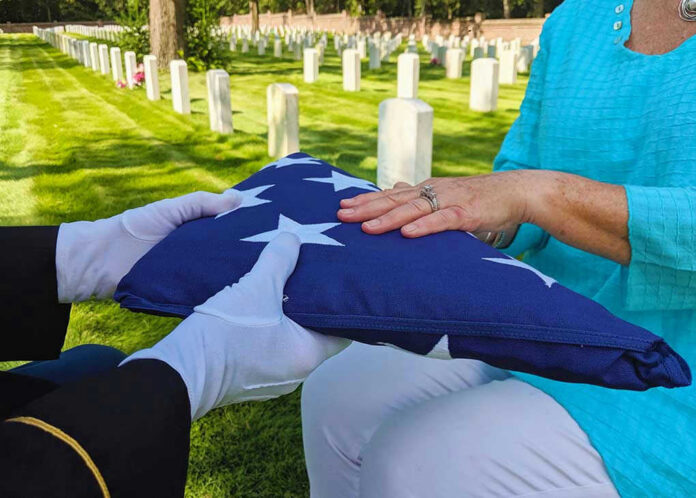
Six American reservists came home in flag-draped transfer cases—an early, brutal reminder that the cost of confronting Iran’s aggression is paid by U.S. families, not Washington talking heads.
Quick Take
- President Donald Trump attended a dignified transfer at Dover Air Force Base on March 7, 2026, honoring six U.S. Army Reserve soldiers killed in Kuwait.
- The soldiers died in a drone strike at a command center, one day after the U.S. and Israel launched a military campaign against Iran.
- Vice President JD Vance and senior administration officials joined Trump as families received the nation’s formal respect.
- Available reporting includes Trump’s remarks and family reactions, but limited direct documentation of parents specifically saying “finish the job.”
Dover’s Dignified Transfer Marks Early Losses in Renewed Middle East Fight
President Donald Trump traveled to Dover Air Force Base on Saturday, March 7, 2026, for a dignified transfer ceremony for six U.S. Army Reserve soldiers killed in Kuwait. The military ritual, designed to honor the fallen and return them to American soil with solemn respect, brought together grieving families, members of Congress, and top administration leaders. Trump described the responsibility as “the toughest thing I have to do” as commander in chief.
Trump’s attendance placed the human cost of the conflict front and center as the remains moved to Dover’s mortuary facility for preparation and final transport. The soldiers served with the 103rd Sustainment Command, headquartered in Des Moines, Iowa, a unit focused on logistics support—fuel, water, ammunition, and other essentials that keep operations functioning. Their deaths, coming at the outset of the current campaign, underscore how quickly a regional confrontation can reach American homes.
Drone Strike in Kuwait Followed Launch of U.S.-Israel Campaign Against Iran
The six soldiers were killed by a drone strike at a command center in Kuwait, according to the reporting available. The timing matters: the strike occurred just one day after the United States and Israel launched a military campaign against Iran. That sequence frames the deaths as early casualties in a fast-moving escalation, with implications for force protection, base defense, and the broader scope of the operation. Public details on the strike remain limited in the sources provided.
For Americans who remember years of strategic drift and mixed messaging abroad, the situation highlights a basic reality: deterrence is not a slogan, and adversaries test resolve when they sense hesitation. The sources do not lay out operational plans or next steps, and they do not provide a full threat assessment of Iran’s capabilities. What is clear is that a drone attack found U.S. troops in a support role, far from the front lines, and still proved lethal.
Families, Not Bureaucracies, Bear the Weight of War
The identities shared in reporting emphasize what the term “service member” can obscure: spouses, children, and parents suddenly living with absence. One fallen soldier, Amor, was scheduled to return home to her husband, Joey Amor, and their two children within days. Joey Amor described the shock of the loss, saying, “You don’t go to Kuwait thinking something’s going to happen, and for her to be one of the first – it hurts.”
Other soldiers remembered in the available coverage included O’Brien, who served nearly 15 years in the Army Reserve, and Marzan, described as a strong leader, husband, and father. Coady trained in military computer systems troubleshooting, reflecting how modern war depends on technical specialties as much as infantry. Khork and Tietjens came from military families; Tietjens was survived by his wife and a 12-year-old son and had previously served alongside his father in Kuwait.
Parents of Fallen US Soldiers in the Middle East Had One Message for President Trump: 'Finish the Job'
https://t.co/prOsufhF2G— Townhall Updates (@TownhallUpdates) March 10, 2026
Trump’s Message Focused on Respect and Pride; “Finish the Job” Claims Lack Full Documentation
Trump told reporters it was “a very sad day,” adding that he was “glad we paid our respects.” He praised the families as “great people, great parents, wives, family,” and said “the parents were so proud,” a line that reflects the often-overlooked strength of military households. Senator Joni Ernst of Iowa, a combat veteran, publicly honored the soldiers, calling their mission “the most noble” and emphasizing the nation’s lasting debt.
Online discussion has circulated the claim that some parents told Trump to “finish the job.” Social media posts and short-form clips reference that phrasing, but the research materials provided do not include full, attributable transcripts from parents making that specific request in a verifiable, on-the-record context. Readers should separate what is confirmed—Trump’s attendance, the deaths, the ceremony, and quoted remarks—from what is currently fragmentary in the available documentation.
Even with limited sourcing on the exact wording, the broader policy question remains plain: how America responds after U.S. troops are killed is a test of national seriousness. The Constitution makes the president commander in chief, and accountability for military decisions must be clear and public—especially after years when many voters felt Washington prioritized foreign entanglements, ideological messaging, or bureaucracy over concrete security results. For now, the most complete public record is the Dover ceremony itself and the names and families it memorialized.
Sources:
Trump will join grieving families for the return of soldiers killed in war in the Middle East