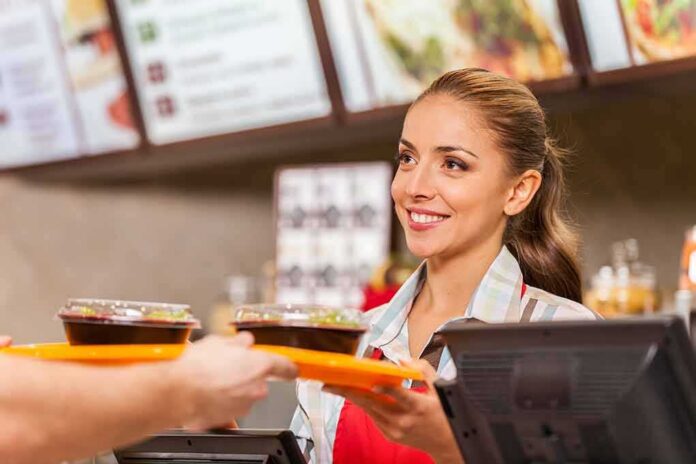
The “Ozempic era” is not a fad at the margins; it is re-teaching restaurants what value looks like when a meaningful share of guests arrive with smaller appetites, tighter protein targets, and far less interest in oversized entrées and sugary add-ons.
At a Glance
- Major chains have launched GLP-1-friendly menus or lighter-portion lines, emphasizing protein, fiber, and smaller plates.
- Operators report guests are eating less and favoring downsized items, pushing restaurants to recalibrate price, portion, and profit.
- This shift extends long-running wellness and portion-control trends but is accelerated by appetite-suppressing drugs.
- Early data show reduced restaurant spend among GLP-1 households, intensifying pressure on quick-service formats.
What’s changing on the menu, and why it matters
Restaurants are moving from rhetoric to execution. Smoothie King introduced a GLP-1 support lineup in 2024 built around high protein, fiber, and no added sugar, explicitly courting customers who track satiety and macros closely. Olive Garden created a “Lighter Portions” section that shrinks familiar dishes and lowers the ticket, a direct answer to guests who still want the brand’s flavor profile without the volume. Chipotle packaged high-protein builds as “GLP-1 friendly,” pairing fiber with leaner calories; Shake Shack’s “Good Fit” range highlights bunless and protein-forward choices for the same audience. Independents are iterating too: Cuba Libre engineered a dedicated GLP-1 menu that cuts a pollo asado from roughly 1,000 to about 400 calories without abandoning culinary identity.
These are not cosmetic tweaks. When a meaningful slice of diners reliably leaves half a plate untouched—or skips the bread basket, fries, and dessert altogether—operators face a unit-economics problem: wasted food, declining attachment rates on high-margin items, and check averages under pressure. Smaller, priced-right portions can reclaim margin by aligning perceived value with actual appetite while mitigating waste and safeguarding guest satisfaction. Clinton Hall’s mini combo—petite burger, a handful of fries, small beer at about a third the price of a regular set—illustrates the new calculus: right-size the experience so customers feel smart, not shortchanged.
Mechanism: how GLP-1s rewire demand
GLP-1 receptor agonists slow gastric emptying and heighten satiety, which in practice shifts diners from “finish the plate” to “four satisfying bites” behavior. That physiological change shows up in spending patterns. Analyses of household-level data indicate that after six to eight months, GLP-1 households reduce quick-service restaurant spend by roughly 8–9%, with sharper pullbacks in pizza and chicken—categories built on abundance and shareability. For restaurants, the signal is clear: the highest-friction moments are where volume is the product. Smaller, protein-forward combinations that land satiety early, keep sodium tolerable, and skip empty calories will feel like value to these guests, not deprivation.
The beverage side is adjusting, too. Appetite shifts often pair with lower alcohol tolerance and hydration needs, driving interest in half-pours and nonalcoholic options; that rebalances the P&L because beer, wine, and cocktails traditionally subsidize food margins. Operators that replace a single 12-ounce pour with two profitable 6-ounce experiences—or that create distinctive zero-proof and light, high-fiber refreshers—can defend contribution without asking guests to revert to old habits.
This is an evolution, not a rupture
On the surface, GLP-1 branding looks novel. In substance, it builds on twenty years of menu modernization: smaller plates, calorie transparency, the protein turn, “better-for-you” cues. The distinctive element is the demand shock and its speed. Consultancies and operator interviews converge on the same picture: guests on GLP-1s dine out a bit less, order fewer sides and sweets, and prefer compact, protein-anchored builds; the quick-service and fast-casual sectors feel it first because they rely on frequency and add-ons. Many “GLP-1-friendly” launches start with repackaging—remixing existing SKUs into tighter portions and clearer macros—because it’s the fastest path from concept to cash register. Done well, that’s pragmatic adaptation, not sleight of hand.
The more durable shift will be operational. True right-sizing affects procurement specs, line setup, plating standards, and training. Waste metrics, not just sales mix, become a leading KPI. Restaurants that codify portion tiers—full, light, and shareable—with disciplined pricing ladders will protect perceived value while preserving margin integrity. Those that treat this as seasonal marketing copy will see check averages erode without a cost offset.
Where operators are experimenting
Chains with broad reach are standardizing lighter lines. Olive Garden and Darden’s portfolio have systematized smaller entrees at lower prices; Chipotle and Shake Shack anchored protein and fiber as first-order design variables; Smoothie King sharpened the no-added-sugar and protein play. Independents and regional groups are deploying smaller-plates sections, half-pours at the bar, and “mini meals” to convert what used to be wasted bites into a finished experience guests actually want. A handful of concepts, like Cuba Libre, are investing in parallel menus with materially reduced calories and tailored builds, signaling a willingness to redesign, not just resize.
Two practical lessons are emerging. First, choice architecture matters: presenting smaller portions as a confident default—light, regular, share—normalizes selection and reduces stigma or the “kids’ menu workaround” dynamic adults sometimes use to right-size a meal. Second, pricing discipline is non-negotiable. A 25–40% portion reduction paired with a proportionate price drop preserves trust; the margin rescue happens through lower waste, better table turns, and steadier attachment to appropriately sized beverages or sides.
The economics: defending margin when diners want less
Quick-service and fast-casual formats face the steepest adaptation curve. They depend on throughput, beverage incidence, and sides to round out margin; GLP-1 users are likelier to skip fries and fountain refills and to leave earlier in the occasion cycle. Household-spend analyses show category pressure most acutely in pizza and chicken, precisely where bundle logic and abundance signaling are strongest. Operators counter by unbundling into high-protein bowls, snackable portions, and half-sides engineered for satiety, not spectacle. Independents have more latitude to reposition experience—tasting flights of smaller plates, half cocktails, vegetable-forward sides—where hospitality, not heaping portions, carries value.
Critically, this is not a collapse story. It’s a reallocation story. Brands that align portion, protein density, and price to the new appetite curve can protect frequency, particularly at lunch and early dinner. Those that cling to size-as-value risk training GLP-1 users—and the many non-users who simply prefer moderation now—to associate the brand with waste and bloat.
America’s Restaurants Face a Dilemma: How to Sell Food in the GLP-1 Era. Fewer orders and higher costs are squeezing restaurants big and small as people on the weight-loss drugs eat and drink less when dining out. https://t.co/yReVP1dcYx
— Tom Vierhile (@TomVierhile) October 3, 2026
What durable adaptation looks like
The companies navigating this well share four moves. They define portion architecture explicitly and train teams to celebrate, not apologize for, lighter choices. They make protein quality and fiber visible without turning the menu into a lab report. They right-size beverages—half-pours, zero-proof, light refreshers—so the bar remains an engine, not a casualty. And they measure relentlessly: waste by item, attach rates for small sides, satisfaction on light builds, and the margin math that follows from fewer untouched bites.
Sources:
nytimes.com, nbcnews.com, abcnews.com, denverpost.com, tastingtable.com, kpmg.com, pwc.com
© impactheadlines.com 2026. All rights reserved.