An 86-year-old American and his dog were found alive 460 miles off California after two silent months at sea.
Story Highlights
- U.S. Coast Guard aircraft located the sailboat Willow Wind far offshore after an emergency beacon alert.
- A commercial ship, Grand Orion, took the sailor and dog aboard after rough seas delayed the first attempt.
- A Coast Guard helicopter crew later hoisted them and flew toward San Diego for evaluation.
- The voyage began in Oregon and aimed for American Samoa before contact was lost on August 20.
What Rescuers Found Far Off the California Coast
U.S. Coast Guard crews located an elderly mariner and his dog aboard the sailboat Willow Wind about 460 miles off San Diego. Reports say a Coast Guard C-27 Spartan aircrew out of Air Station Sacramento spotted the vessel after an emergency beacon alert triggered a search. The Willow Wind was described as damaged or disabled, with sails affected, and unable to make safe progress. The location and rescue sequence were reported by several outlets that cited Coast Guard information.
The sailor had departed Astoria, Oregon, bound for Pago Pago in American Samoa. Contact reportedly stopped on August 20. Authorities received an overdue-vessel report on October 24, and the emergency beacon alert came three days later. That alert helped search planners vector aircraft to the area, where the C-27 aircrew established visual contact with the drifting vessel. The case shows how beacons and air searches work together to save lives in wide ocean areas.
How the Rescue Unfolded at Sea
A nearby commercial vessel, the Grand Orion, answered the call and reached the Willow Wind at about 3:20 a.m. Rough seas forced a delay in taking people aboard. The carrier stayed on scene until conditions eased. Later that day, at about 5:36 p.m., the Grand Orion completed the transfer, bringing the sailor and dog safely onto the ship. That merchant mariner response bridged the long distance until a Coast Guard helicopter could arrive.
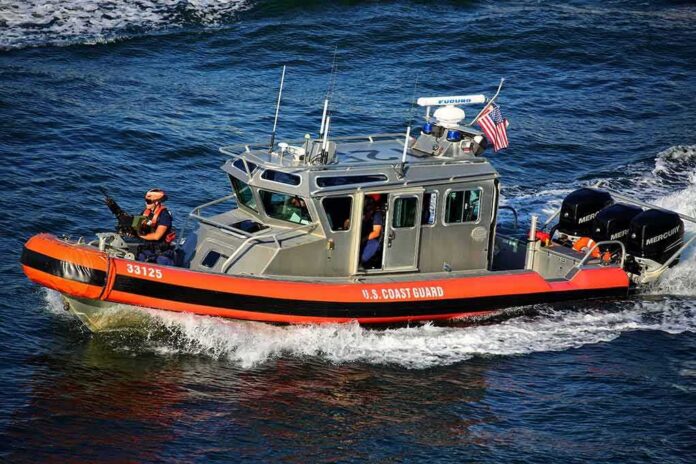
When the Grand Orion was about 170 miles west of Ventura, a Coast Guard MH-60 Jayhawk helicopter crew from Air Station San Diego arrived and hoisted the pair. Crews then flew them toward San Diego for medical evaluation. One outlet reported the sailor appeared weak but without serious injuries. Officials did not release full medical or veterinary details in public updates. The rescue sequence matched other reports on timing and handoffs among air, sea, and helicopter crews.
Why This Case Matters for Maritime Safety
This rescue highlights a core national mission. The United States Coast Guard records thousands of search-and-rescue cases each year, with more than two thousand lives saved in fiscal year 2025. The service stresses that quick alerts, accurate positions, and coordination with nearby vessels can make the difference. Emergency beacons and trained aircrews shorten the search and speed the response when minutes and miles matter on the open ocean.
An 86-year-old sailor and his dog have been rescued after a multi-day search in the Pacific Ocean.
The sailing vessel Willow Wind had been reported overdue while travelling from Astoria, Oregon, to Pago Pago, American Samoa. After its emergency beacon activated, a U.S. Coast… pic.twitter.com/WrYgwLBF0a— Unconnected Dot (@Unconnected_Dot) November 3, 2026
Merchant mariners also play a key role. The Coast Guard reports that its boats and partner vessels carry a large share of mission hours and lives saved. Layered teamwork—watchstanders, aircraft, nearby ships, and helicopter crews—often turns a long-shot find into a safe hoist home. That model worked here: a beacon alert, a C-27 sighting, a steady commercial ship, and a final helicopter lift brought an American and his dog back to shore alive.
The Open Questions Without Speculation
Officials and reports have not yet provided the sailor’s full account of the two months without contact, the exact damage to the Willow Wind, or how food, water, and power held up. Outlets used different distance markers and dates based on where each phase occurred offshore, which are consistent but not precise coordinates. Those details often follow later in formal case logs or interviews after families are notified and medical checks are done.
Preparedness Lessons for Every Boater
This story reminds every mariner to plan for the worst before leaving port. Offshore trips demand reliable communications, emergency beacons, and backup power. Mariners should file float plans, carry tested gear, and train on how to send a distress signal. The Coast Guard’s safety guidance and statistics show how planning reduces risk and helps rescuers find you faster. A working beacon and a layered response saved two lives in this case—and can again for others.
Sources:
foxnews.com, people.com, latitude38.com, okmagazine.com, dcms.uscg.mil
© impactheadlines.com 2026. All rights reserved.