Amazon’s Ring just put security cameras in motion, with an indoor drone for homes and an autonomous patrol rover for businesses.
Story Snapshot
- Ring launched a robotics division with two devices: Drone Cam and Rover Cam.
- Drone Cam flies room to room on set routes for indoor home security.
- Rover Cam patrols business sites and streams up to 4K video.
- Ring’s AI Pilot guides mapping, patrols, and obstacle avoidance.
Ring Robotics launches with flying and rolling security
Ring announced a formal robotics division and two launch products: the Ring Drone Cam and the Ring Rover Cam. The company framed the move as the next phase of mobile security. The Drone Cam is designed for indoor home use, while the Rover Cam targets businesses. The company set public prices and ship dates, marking a clear commercial intent rather than a concept tease. The announcement landed alongside broad coverage by major outlets that confirmed the basic details.
Ring positioned the Drone Cam as a home camera that flies “room to room.” It can patrol on a schedule or go to set viewpoints. It docks when not in use, and Ring says the dock preserves privacy by keeping the camera covered. The company pitches fewer blind spots and faster responses to alerts than a wall camera can offer. The product page anchors that pitch in the features homeowners care about: routes, quick checks, and a dock that signals off-duty status.
Business-focused rover aims to replace static guards
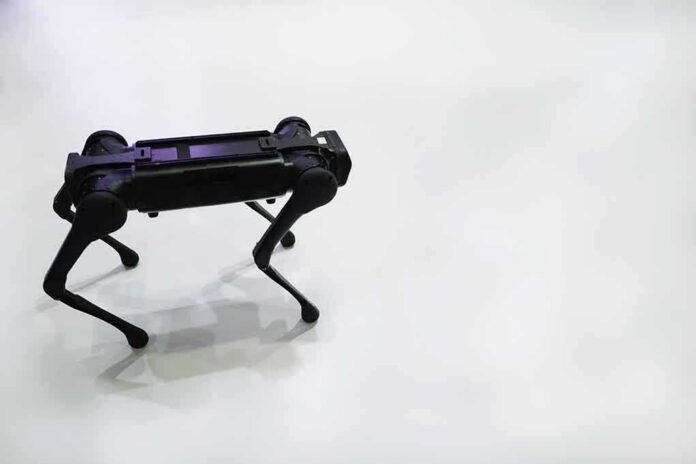
The Ring Rover Cam is a different animal. Ring describes it as a purpose-built patrol robot for businesses. It moves through offices, warehouses, or stores, checks on disturbances, and streams video at up to 4K resolution. That framing places the rover as a mobile upgrade to a fixed security grid. It is not a living room gadget; it is meant for square footage, aisles, and after-hours sweeps. Amazon set the Rover Cam’s U.S. price at $999.99, with shipments set to begin December 16, 2026.
Public reporting aligns with Ring’s framing. Outlets on launch day described a consumer-focused indoor drone and a commercial rover debuting under the Ring Robotics banner. Several reports echoed Amazon’s claim that these devices connect with the existing Ring security ecosystem. The independent coverage offered helpful dates and price checks for buyers tracking availability. One report also listed a $249.99 price for the Drone Cam, tied to a late January 2027 ship date. These details help define the market entry window.
AI Pilot is the lynchpin for navigation and response
Ring tied both products to a named navigation system called AI Pilot. Reports describe AI Pilot as mapping spaces, suggesting locations to inspect, and routing around obstacles such as furniture and shelving. That name matters because it signals a shift from remote-control toys to semi-autonomous patrols. If AI Pilot works as described, the core user promise is simple: set routes, let the robot move, and get useful video without babysitting a joystick. That is the mainstream bar for autonomy in security.
🤖 Amazon's Ring debuts indoor flying drone and patrol robot.
Ring launched a $250 indoor Drone Cam for homes and a $1,000 Rover Cam for businesses, using autonomous AI navigation to patrol spots fixed cameras can't reach.https://t.co/LtbzM1aPIS#GanTech #Amazon #Robotics
— GaneshPandian S (@ganeshpandian) November 11, 2026
The plan is clear. Mobility expands what a camera can see. Automation reduces the need to watch a wall of feeds. Integration with the Ring app and alarms ties movement to events, not just time. That package fits a conservative view of security: deter trouble, verify fast, and save money by doing more with fewer people. The risk is also clear. If navigation falters or alerts feel noisy, people will not trust the robot to guard their space. Delivery dates will test both claims.
Pricing and timing set buyer expectations
Ring’s pricing splits the audience. The Drone Cam aims for mass-market homes at $249.99, a number that keeps it in impulse range for tech-savvy families. The Rover Cam starts at $999.99 for businesses, which puts it in the same budget line as a recorders-plus-cameras upgrade. Those signals match the roles Ring set at launch. Ship dates also shape the narrative. The Rover Cam reaches customers first in mid-December, with the Drone Cam slated for late January.
One fair caveat applies to both devices. Launch coverage shows an announcement with future ship dates, not months of customer results. That means reliability, real-world false alerts, and long-term support will be proven after deliveries begin. Still, the company has put specific claims, names, and dates on the table. That creates accountability customers can check. It also sets a baseline for competitors that wanted mobile security to stay a niche. Static cameras have company now.
Why this move matters for homes and businesses
Homes want faster checks without adding more wall cameras. Businesses want broader coverage after hours without hiring extra guards. A flying camera and a patrol rover attack both problems. The conservative test is simple: do they work every day, protect privacy when idle, and cut cost per incident? If the answer is yes, adoption follows. If the answer is no, users will park them on a shelf. Ring has drawn a hard line with clear prices, routes, and a named pilot system.
The market will judge on three things. First, setup speed: map routes, set zones, and go. Second, signal quality: useful alerts, clean video, few false trips. Third, respect for the home and shop: clear dock privacy, strong data controls, and sane defaults. If Ring hits those marks, these two mobile cameras become tools, not toys. The company just turned the camera into a patrol. Now it must earn the beat, one shift at a time.
Sources:
washingtontimes.com, ring.com, aboutamazon.com, androidauthority.com, rmb.reuters.com, wired.com
© impactheadlines.com 2026. All rights reserved.