Federal agents have apprehended over a thousand of Chicago’s most dangerous criminals and criminal illegal immigrants, sparking a major debate about law, order, and the future of immigration enforcement in America.
Story Snapshot
- DHS arrests in Chicago target violent gang members, child abusers, and drug traffickers as part of Operation Midway Blitz.
- Over 1,000 high-risk offenders apprehended since September 2025, following a surge in domestic terror attacks and street violence.
- Federal-state tensions rise as National Guard deployment and local resistance complicate law enforcement efforts.
- Operation reflects Trump administration’s aggressive immigration and public safety policies, drawing both support and controversy.
Operation Midway Blitz: Targeting Chicago’s Most Dangerous Offenders
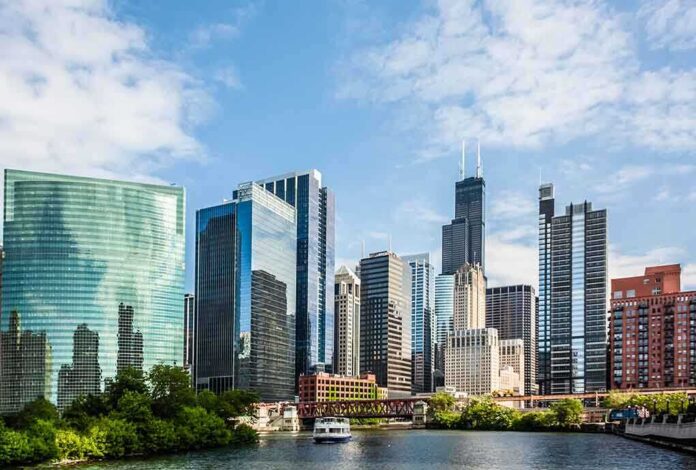
Since the launch of Operation Midway Blitz in early September 2025, the Department of Homeland Security (DHS) has executed a sweeping campaign across Illinois, focusing on apprehending violent gang members, child abusers, and major drug traffickers. The operation was prompted by a marked increase in domestic terror attacks and escalating street violence, particularly in Chicago, a city already known for its entrenched gang activity and public safety challenges. By October, federal agents had arrested more than 1,000 individuals, many of whom are identified as criminal illegal immigrants with histories of violent offenses.
Operation Midway Blitz distinguishes itself from prior efforts by concentrating on high-risk offenders amid unprecedented incidents of violence targeting law enforcement. Recent months have seen federal agents themselves come under attack, including vehicle rammings that resulted in serious charges against suspects. The Department of Homeland Security, led by Secretary Kristi Noem, and the FBI, under Director Kash Patel, have responded with a clear message: justice and the protection of American communities are non-negotiable, and the federal government will not back down in the face of resistance or threats to officer safety.
Federal-State Tensions and Community Response
The aggressive federal action in Chicago has heightened tensions between Washington and local Illinois leadership. Governor JB Pritzker has faced mounting pressure to deploy National Guard troops to support local law enforcement, while simultaneously contending with community leaders and activists protesting what they view as heavy-handed federal tactics. These confrontations highlight a deeper divide over how to balance public safety, individual rights, and the rule of law. State and local authorities are often caught in the crossfire, striving to maintain order and community trust as federal agents conduct high-profile raids and arrests.
Amid these developments, the Trump administration’s broader immigration crackdown is evident. Policies implemented this year have eliminated protections for “sensitive locations,” enabling Immigration and Customs Enforcement (ICE) to make arrests in schools, churches, and hospitals. The administration’s stance is clear: no sanctuary exists for those deemed threats to public safety or national security. Critics argue these moves create a climate of fear among immigrant communities and risk undermining constitutional protections. Supporters, however, see them as overdue steps to restore law and order and protect American families from the consequences of unchecked criminal activity.
Implications for Law Enforcement and Community Relations
Law enforcement officials report increased risks as federal operations draw both praise and protest. Vehicle ramming attacks against DHS agents are now classified as assaults on federal officers, with suspects facing significant federal charges. The continued escalation of enforcement actions raises concerns about potential violence and further strains relations between police and local residents. While proponents argue that these operations are necessary to counteract years of permissive policies and rising crime, experts emphasize the need for careful engagement to prevent further polarization and to uphold civil liberties during enforcement.
Short-term, Operation Midway Blitz is credited with removing dangerous individuals from Chicago’s streets, but it also generates heightened anxiety among residents—particularly in immigrant neighborhoods. Long-term, the operation’s success or failure will hinge on whether it can sustainably reduce crime without eroding public trust or triggering broader unrest. Legal and policy analysts caution that robust enforcement must be paired with respect for constitutional rights and thoughtful community outreach to avoid exacerbating tensions and perpetuating cycles of violence.
Wider Policy Context: Trump Administration’s Law-and-Order Mandate
Operation Midway Blitz is emblematic of the Trump administration’s sweeping changes to immigration and law enforcement policy in 2025. Since returning to office, President Trump has prioritized border security, mass deportations, and aggressive crackdowns on criminal activity. Executive orders have expanded ICE authority, eliminated sanctuary zones, and increased state and local cooperation in immigration enforcement. These measures, while popular among many concerned about public safety and the rule of law, have been met with legal challenges and criticism from civil rights advocates. The administration argues that such reforms are essential to defending American values, protecting families, and restoring constitutional order after years of what it sees as government overreach and neglect.
Expert commentary underscores a central tension: while decisive action may deliver short-term gains in safety, lasting security and unity will require bridging divides, safeguarding rights, and addressing root causes of violence. As federal agencies continue their campaign, the eyes of the nation remain on Chicago—a city at the crossroads of America’s ongoing debate over law, liberty, and the meaning of justice in tumultuous times.
Sources:
DHS arrests Chicago’s ‘worst of the worst’ amid surge in domestic terror attacks
FBI Director Kash Patel vows justice after DHS agents’ vehicle rammed in Chicago
Homeland Security requests National Guard in Chicago despite protests
DHS, FBI warn of attacks on ICE by domestic violent extremists