Supreme Court unanimously shields ISPs from billion-dollar piracy shakedowns, delivering a decisive win against corporate overreach that could have jacked up your internet bills.
Story Highlights
- US Supreme Court rules 9-0 for Cox Communications, overturning $1 billion verdict from record labels over user music piracy.
- ISPs liable only for intentional facilitation of infringement, not passive user actions or repeat-infringer policies.
- Victory protects broadband providers like Comcast and Verizon from industry lawsuits, stabilizing costs for American families.
- Recording giants like Sony lose push for broad accountability, forcing shift to direct enforcement amid streaming dominance.
- Unanimous decision reinforces limited government liability in tech, echoing conservative principles of personal responsibility.
Supreme Court Delivers Unanimous Victory for ISPs
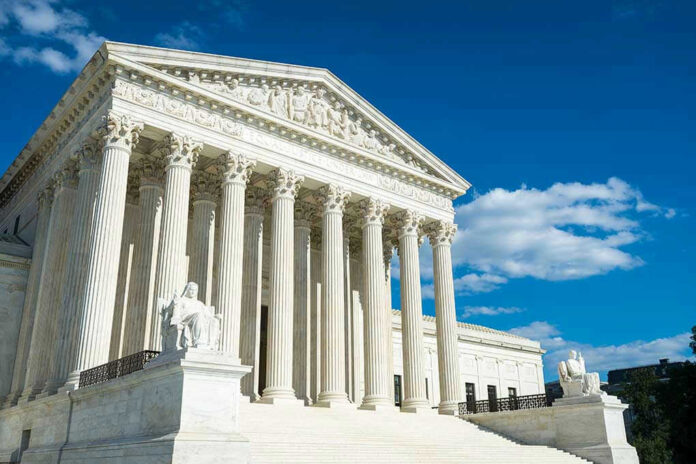
On March 25, 2026, the US Supreme Court ruled 9-0 in favor of Cox Communications. The decision overturned a $1 billion jury verdict awarded to Sony Music Entertainment, Universal, Warner, and other labels. Record labels claimed Cox enabled music piracy by subscribers. The court held ISPs liable only if they intentionally facilitate infringing activity through their services. This narrow intent standard blocks aggressive industry tactics.
Cox faced the massive penalty after a 2019 lower court jury verdict, later reduced but still burdensome. Labels argued Cox failed to terminate repeat pirate accounts adequately. The Supreme Court rejected this, emphasizing DMCA safe harbors from 1998. These protections shield providers implementing anti-infringement policies. The ruling distinguishes passive service from active inducement, as in the 2005 Grokster precedent.
Recording Industry’s Long Push for ISP Penalties Halted
Copyright battles trace to the late 1990s Napster era, when file-sharing exploded. Labels have targeted ISPs since, suing Cox in 2014 over subscriber piracy. A similar 2018 BMG v. Cox case upheld a $25 million verdict for weak anti-piracy measures. Yet Viacom v. YouTube in 2012 affirmed DMCA defenses for platforms. This 2026 decision provides stronger ISP immunity, limiting claims without proven intent.
Labels sought to monetize file-sharing losses via ISP financial pressure, bypassing tech enforcement. Amid Spotify and Apple Music dominance, piracy persists as a challenge. The court’s stance prevents “guilt by user association,” aligning with views on DMCA overextension. Experts call it a major win, protecting innovation from blanket liability.
Impacts Shield Families from Higher Costs and Overreach
Cox avoids the $1 billion payout immediately. Other ISPs like Comcast and Verizon gain precedent against copycat suits. Economically, this stabilizes broadband pricing, shielding families from passed-on penalties. Long-term, it raises the bar for piracy claims, potentially sustaining file-sharing unless labels adapt. Music fans retain access, while industry loses leverage over infrastructure giants.
Socially, the ruling may preserve piracy culture short-term. Politically, it bolsters limited liability in tech debates, resisting corporate demands for government-backed enforcement. Labels now pivot to platforms like TikTok and YouTube. This unanimous judicial consensus underscores broad agreement against industry overreach, especially vital as Americans grapple with high energy costs and war strains.
In today’s climate of endless overseas conflicts and fiscal pressures, this decision reminds us why strong courts matter. It upholds principles of individual accountability over punishing providers for others’ actions. Conservatives weary of government expansion cheer protections against such grabs, keeping internet access affordable without eroding free market dynamics.
Sources:
Supreme Court rules ISPs can’t be held liable for music piracy – UPI
Supreme Court Rules ISPs Can’t Be Held Liable for Music Piracy – NAMPA/AFP