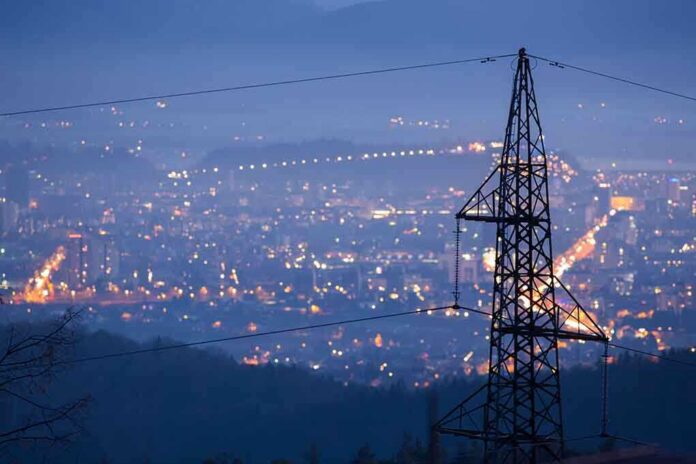
Cuba’s entire national power grid collapsed on March 16, 2026, plunging 11 million citizens into darkness and triggering rare violent protests against a communist regime whose decades of mismanagement and dependence on foreign oil has finally brought the island nation to its knees.
Story Highlights
- Complete nationwide blackout marks the sixth total grid failure in 18 months, exposing systemic infrastructure collapse
- Trump administration’s oil embargo and Venezuela’s cutoff have starved Cuba of fuel after three months without shipments
- Rare violent protests erupt in Havana as desperate citizens face postponed surgeries and spoiled food supplies
- Soviet-era power plants operate “way past normal useful life” while communist government lacks resources for basic repairs
Decades of Socialist Failure Come Home to Roost
Cuba’s National Power System registered zero megawatts at 1:40 p.m. local time on March 16, confirming what energy experts have long warned: the island’s Soviet-era thermal power plants have finally reached total collapse. The state-owned grid operator Unión Eléctrica activated restoration protocols, but historical precedent offers little hope for quick relief. After Hurricane Ian in 2022, authorities needed an entire week to restore electricity. This latest failure represents the sixth complete island-wide blackout in just 18 months, demonstrating this is not a temporary crisis but a systemic breakdown of infrastructure.
Trump’s Strategic Pressure Exposes Communist Vulnerability
President Trump’s administration has effectively implemented an energy blockade by threatening tariffs on any nation selling oil to Cuba, cutting off the regime’s lifeline after Venezuelan President Nicolás Maduro’s arrest in January 2026. Cuban President Miguel Díaz-Canel confirmed on March 15 that the island has received no fuel shipments in three months. Cuba produces only 40 percent of its petroleum domestically, making foreign oil critical for survival. The Trump administration has made clear it seeks to negotiate Cuba’s transition away from authoritarianism, demanding political prisoner releases and movement toward political and economic liberalization. This strategic approach demonstrates how America can leverage economic pressure to promote freedom without military intervention.
Infrastructure Crisis Reveals Socialist Economic Model’s Collapse
William LeoGrande of American University characterized Cuba’s infrastructure predicament as a “perfect storm of collapse,” noting that technicians are “magicians to keep it running at all given the shape that it’s in.” The power grid relies on obsolete equipment built decades ago that has never been adequately modernized. The communist government lacks the hard currency necessary to import spare parts or upgrade critical systems. Since COVID-19, Cuba’s GDP has fallen 15 percent while approximately 20 percent of the population has emigrated, draining the nation of working-age citizens and their productive capacity. The Ministry of Energy and Mines reported no equipment failures when the grid collapsed, confirming the failure was systemic rather than caused by specific breakdowns.
Desperate Citizens Finally Rise Against Communist Control
Social media videos captured rare public demonstrations including cacerolazo pot-banging protests in Havana and other cities, with violent clashes erupting on March 7 against electricity cuts. Cuban authorities have arrested five protesters so far, a relatively small number suggesting the regime may lack resources to suppress widespread dissent. The government has postponed surgeries for tens of thousands of people while food supplies spoil without refrigeration, pushing vulnerable populations to breaking points. In a desperate move to attract diaspora capital, the regime announced Cubans living abroad can now invest in or own businesses, a significant liberalization measure that acknowledges socialism’s complete failure to provide basic necessities.
The Cuban crisis demonstrates what happens when nations embrace government control over free markets, dependence over self-sufficiency, and ideology over practical governance. As President Trump applies measured pressure through diplomatic and economic channels, the communist regime faces a choice: negotiate genuine reforms or watch its grip on power crumble as citizens demand the basic human dignity that freedom and capitalism provide. For Americans who understand the dangers of expanding government power and the importance of energy independence, Cuba stands as a cautionary tale of what progressive policies ultimately deliver—darkness, hunger, and despair.
Sources:
Cuba’s national electric grid collapses, leaving millions without power – KSL News
Cuba is left without power due to the complete collapse of its electrical grid – El País English
Cuba national energy grid nationwide blackout – CBS News
Island-wide blackout hits Cuba as island struggles with deepening energy crisis – 2News