Dozens left Honduras for the United States on Election Day, and they said the vote might change their odds.
Story Snapshot
- Dozens departed San Pedro Sula on November 3, 2026, headed toward the United States.
- The date matched U.S. midterm Election Day, which some migrants watched closely.
- Reports described an organized route toward the Guatemalan border at Corinto.
- Stated reasons mixed jobs, insecurity, and hopes tied to U.S. politics.
Election Day departure from San Pedro Sula
Journalists found migrants gathering at the Gran Central Metropolitana in San Pedro Sula on November 3. Reports described parents with children, teens, and adults leaving together in a small caravan. Coverage placed the group at “dozens” of people, not hundreds. The group started north the same day Americans voted in the midterms. Outlets noted that timing and quoted people tracking U.S. results as they left for the road.
Several outlets said this was the third such movement from Honduras during 2026. That pattern matched the regional rhythm seen in past years. Caravans form when word spreads that it is safer and cheaper to move in groups. People share tips, routes, and warnings. News coverage itself can draw more people as the journey unfolds. But the reports on this event stayed tight on a small, defined group at the bus terminal.
Route and stated goals on day one
Reporters traced the first leg to Puerto Cortés’s Corinto area at the border with Guatemala. The intended path pointed to Guatemala, then onward through Mexico, and finally to the United States. Coverage did not guess at the destination; it cited on-scene accounts that spelled it out. The reporting focused on movement, not slogans, and set the scope: a modest caravan with a clear route and a long road ahead.
Travel in groups offers safety in numbers and lower costs for some legs. It also attracts attention from authorities. Honduran and Mexican officials have in past years monitored or redirected caravans. The early reporting on this caravan did not document a clash on day one. It outlined the plan, the people, and the checkpoints they expected to face in the days after leaving San Pedro Sula.
Why leave now: jobs, fear, and the U.S. vote
Many migrants told reporters they left due to joblessness, insecurity, and lack of opportunities. Those reasons track with years of data about Honduran migration drivers. Some in the group also watched the U.S. midterms. They hoped the results might soften enforcement or slow President Trump’s policies. That belief did not erase the core push factors at home. It added a window they thought might be slightly more open as they set out.
Coverage tied the date to Election Day without claiming a single mastermind set it that way. Reports also noted that organizers were not clearly identified. One outlet described planning on digital platforms and WhatsApp for about 20 days. People discussed the meeting point, the date, and the risks. That is common in caravan formation. Digital chatter lowers the cost of coordination and helps strangers act together across towns.
Scale, organization, and how to read the moment
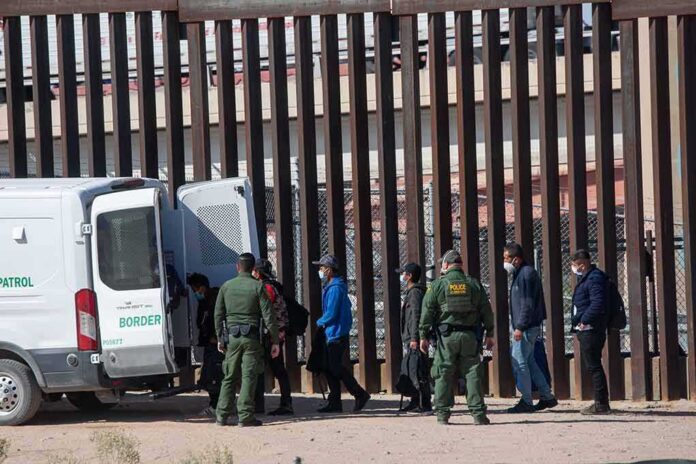
Accounts kept the size to “dozens,” even as videos elsewhere touted larger numbers for different caravans. Confusing those stories inflates this group beyond what the on-the-ground reporting supported. Keeping the numbers straight matters because policy debates often swing on scale. A small, defined caravan calls for calm, firm enforcement at the border and steady cooperation with partners in the region, not panic or spin.
SAN PEDRO SULA, Honduras. Dozens of Honduran men, women, and children left the Gran Central Metropolitana on Tuesday, November 3, in a new migrant caravan bound for the United States. They headed for the Corinto crossing into Guatemala, with Mexico and the US border beyond it.… pic.twitter.com/QZCT9gxz7I
— Abandoned Nation (@AbandNation) November 5, 2026
Common sense says mixed motives can exist at once. Hardship pushes people out, while headlines and elections shape when they move. That does not make the caravan a stage play. It makes it a human response to risk and hope. The task for U.S. leaders is simple to state and hard to do: keep the border orderly, apply the law, and send a clear message that policy is set in Washington, not by rumors on WhatsApp or the election calendar.
Sources:
pjmedia.com, news.nate.com, cnnespanol.cnn.com, ticotimes.net, elheraldo.hn, latintimes.com
© impactheadlines.com 2026. All rights reserved.