When a bear learns to pick locks and scale poles like an Olympic gymnast, the stakes in Yellowstone get a whole lot higher.
At a Glance
- Yellowstone’s bear management strategies have been in place since the 1970s.
- An adult female black bear in Yellowstone was euthanized after accessing human food.
- The bear climbed a food storage pole, showing rare and concerning behavior.
- The decision underscores the importance of food storage compliance at campgrounds.
The Bear That Outsmarted Campers
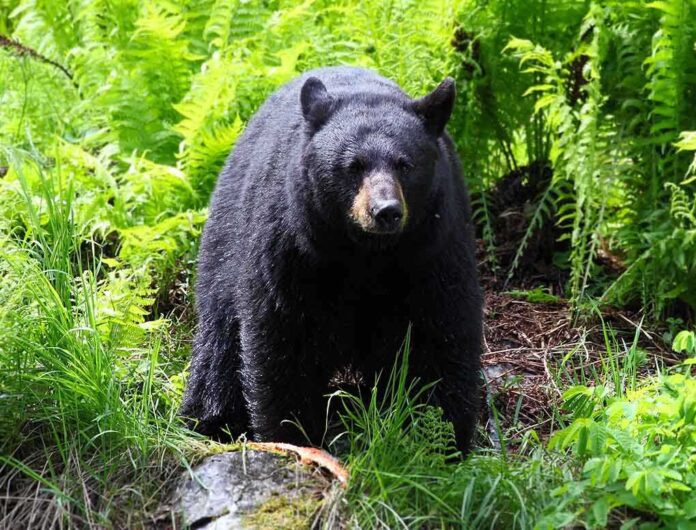
In a plot that could rival any wilderness thriller, Yellowstone National Park recently found itself in a high-stakes showdown with a particularly clever black bear. On June 7, 2025, campers in the Blacktail Deer Creek area were stunned to find their tent crushed—by none other than this furry Houdini. Fast forward to July 11, and the same bear, not content with just tents, decided to tackle food storage poles, tearing down food bags like a seasoned thief. This uncommon and dangerous behavior raised alarms among Yellowstone staff.
The bear’s antics were no laughing matter. While most of Yellowstone’s bear population remains shy and avoids humans, this particular bear had become food-conditioned. Bears with such a knack for problem-solving become a significant risk, not just to park visitors but also to themselves, as they might begin associating humans with food. This association often leads to more aggressive behavior, compromising the delicate balance in the park’s ecosystem.
A Difficult Decision
The decision to euthanize the bear was not taken lightly. Kerry Gunther, Yellowstone’s bear management biologist, and his team were faced with a challenging situation. Relocation of bears, especially those that have become food-conditioned, often proves ineffective. These bears have a tendency to return to the scene of the crime or cause trouble elsewhere. Faced with a bear that had outsmarted their food storage systems, the park had little choice but to prioritize human safety and take decisive action.
Yellowstone’s staff, guided by established protocols and safety assessments, ultimately made the call to remove the bear. Public announcements detailed the necessity of the action and reiterated the importance of strict food storage compliance. The bear’s removal highlighted Yellowstone’s zero-tolerance policy towards food-conditioned bear behavior, aiming to prevent future incidents.
Lessons for Campers and Park Visitors
The incident serves as a stark reminder for all campers and park visitors: Nature does not abide by human rules, and even the most well-intentioned visitors can inadvertently put themselves and wildlife at risk. The park’s management strategies, which include bear-resistant boxes and food storage poles, rely heavily on visitor compliance. The bear’s removal has prompted renewed calls for vigilance among campers regarding food storage and has reinforced the importance of adhering to park regulations.
Yellowstone is a place where the wild truly reigns, and visitors must remain vigilant and respectful of the park’s strict guidelines to ensure both their safety and the well-being of the park’s inhabitants. This incident stresses the critical role that public education and personal responsibility play in preventing wildlife habituation.