President Trump’s decision to hit Iran’s military infrastructure—while deliberately sparing its oil export lifeline—signals a pressure campaign aimed at reopening global shipping lanes without triggering an energy shock.
Quick Take
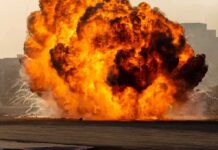
- The U.S. Air Force struck more than 90 military-related targets on Iran’s Kharg Island on March 13, 2026, focusing on systems tied to threats against Strait of Hormuz shipping.
- The operation avoided oil and gas infrastructure, reflecting an effort to punish Iran’s blockade tactics without detonating a global price surge.
- Iran reported no casualties and said oil operations continued, while warning retaliation could extend to U.S.-aligned regional partners.
- Competing claims remain unresolved: Washington described major destruction, while Tehran downplayed damage and alleged strikes were launched from UAE areas.
Strikes Target Hormuz Threats, Not the Oil Terminal Itself
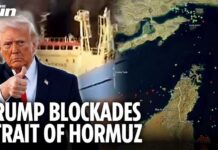
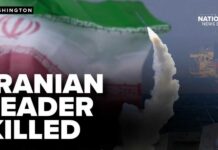
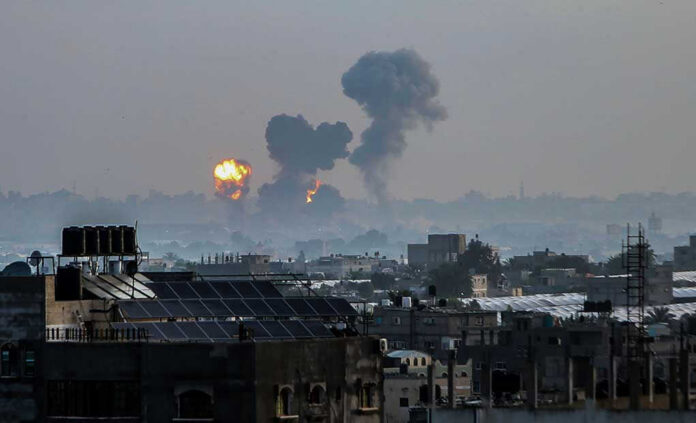
U.S. forces carried out a large-scale bombing raid on Kharg Island, Iran’s primary oil export hub in the Persian Gulf, on March 13, 2026. Reporting indicates the operation targeted military sites—such as naval mine storage, missile bunkers, air defenses, and associated facilities—while leaving oil and gas infrastructure intact. The practical objective appears tied to degrading Iran’s ability to pressure shipping through the Strait of Hormuz, a chokepoint for global energy transit.
President Donald Trump described the raid as one of the most powerful bombing operations in Middle East history and claimed the military targets were “totally obliterated.” At the same time, he threatened future strikes on oil facilities if Iran did not end the closure of the Strait of Hormuz and halt attacks on shipping. Those threats matter because they move the message from tactical interdiction to strategic leverage: compliance now, or escalating costs later.
Why Kharg Island Matters to Americans Watching Prices and Inflation
Kharg Island has been central to Iran’s oil exports since the 1950s, and it is often described as the country’s “crown jewel” for crude shipments. The Strait of Hormuz is even bigger: roughly one-fifth of global oil transits the waterway, making any disruption a fast track to higher fuel costs. In the U.S., energy-price spikes can quickly bleed into broader inflation, punishing working families and retirees on fixed incomes.
The restraint shown in sparing oil and gas infrastructure is therefore not a small detail. By focusing on military assets linked to mining and missile threats, Washington signaled it wanted to restore freedom of navigation without immediately collapsing supply. That distinction also clarifies the escalation ladder now on the table: the U.S. can claim it acted against military dangers first, while keeping economic targets as a potential next step.
Iran Denies Damage, Warns of Retaliation, and Points at the UAE
Iran reported explosions on the island but said there were no casualties among military personnel, oil workers, or residents, and that operations continued uninterrupted. Iranian messaging also emphasized deterrence, warning of retaliation and potential economic fallout if oil infrastructure were struck. Those statements serve dual purposes: reassuring domestic audiences that the state remains in control and attempting to discourage further U.S. escalation by highlighting the global consequences.
Iranian Foreign Minister Abbas Araghchi alleged the strikes were launched from areas tied to the United Arab Emirates, including Ras Al Khaimah and locations near Dubai. The available research does not provide independent verification of launch sites, but the allegation itself is consequential. If regional basing becomes the centerpiece of Iran’s narrative, U.S. partners could face increased pressure—whether through direct threats, proxy actions, or economic intimidation—raising the risk of wider regional spillover.
Competing Damage Claims and the Limits of What’s Confirmed So Far
Public claims about the results diverge sharply. U.S. statements emphasized decisive military success, while Iran’s statements minimized losses and maintained that key operations remained normal. With only limited sourcing summarized in the provided research, outside observers should treat “total obliteration” and “no real damage” as political claims that may not be fully measurable in real time. What is confirmed is the target set’s scope and the deliberate avoidance of oil infrastructure.
The broader political takeaway for Americans is that this episode blends hard-power deterrence with economic risk management. Conservatives wary of runaway spending and inflation will see why any conflict touching Hormuz has immediate kitchen-table stakes, regardless of party. At the same time, frustration on both right and left grows when major national decisions rely on messaging wars, disputed damage reports, and high-stakes threats that could ricochet into energy prices, supply chains, and a broader conflict.