As Atlanta readies its streets for the World Cup, city crews quietly dumped tents, IDs, and even medication belonging to homeless residents in the shadow of the stadium.
Story Snapshot
- Atlanta cleared a major homeless camp near a World Cup site as part of a larger cleanup push.
- City leaders say the effort is about safety and housing, not optics, under the “Downtown Rising” plan.
- Reports and social posts say personal items, including medicine and documents, were thrown away.
- The clash exposes a bigger question: are mega-events solving homelessness or just pushing it out of view?
City cleanup near stadium puts homeless camp in the crosshairs
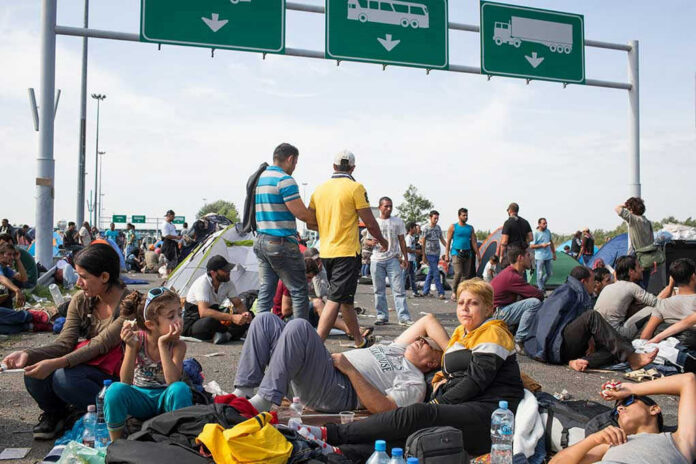
Atlanta city workers moved through a well-known encampment near downtown, tossing tents, blankets, and other belongings into trucks as the World Cup countdown clock ticked down. The camp sat close to key routes fans will use to reach the stadium, making it a prime target in the city’s effort to “clean up” downtown before the world arrives. Residents who had lived there for months said they lost not only shelter, but documents and medication they needed to survive.
The sweep was part of Atlanta’s “Downtown Rising” effort, a multi-pronged campaign launched in 2024 to both close encampments and move people into housing before the tournament begins. The Atlanta Journal-Constitution reported that the city cleared a large camp near Grady Memorial Hospital over two days and tied that action directly to World Cup preparations. Officials framed the operation as one step in a bigger strategy to end unsheltered homelessness downtown.
Officials defend the sweep as safety, not a photo op
Cathryn Vassell, who leads Partners for Home, the group that runs Atlanta’s homelessness strategy, stressed that the Bell Street clearance was “less about optics” and more about the safety of people on the street and those who live and work nearby. She said outreach workers had engaged residents for months, and that six of the eight people regularly staying under the bridge had already moved into permanent housing, with a couple scheduled to follow. City leaders point to that kind of casework as proof this is not just a sweep-and-forget crackdown.
Mayor Andre Dickens has highlighted a broader, long-term push as well. He launched a sixty million dollar homelessness initiative, described as the largest in the city’s history, with a “housing first” approach that includes mental health and medical services. Supporters argue this shows a serious attempt to pair enforcement with real exits off the street, not just clear sidewalks for tourists. From a conservative, order-first lens, that mix of public safety and structured aid is exactly what many voters say they want: cleaner public spaces and a hand up, not chaos.
Housing gains are real, but so are the losses on the ground
“Downtown Rising” has already moved hundreds of people into housing, according to local coverage and city-aligned partners. Reports and video pieces say nearly 500 individuals have been housed through this World Cup-linked push, with most staying stably housed over time. For officials, these numbers are the core defense: encampments are closing, but doors are also opening, and the city claims it is on track to reach a target of housing roughly 400 people ahead of the games.
Yet what happens on cleanup day still matters. Advocacy groups and social media posts describe city crews throwing away not only tents, but prescription medicine, identification cards, and other essentials. That kind of loss can be devastating. Without ID, people cannot get a job, rent an apartment, or even claim some benefits. When medication is trashed, the cost is more than financial; it can mean withdrawal, relapse, or a mental health crisis in the middle of a crowded city.
World Cup pressure renews an old pattern of cleanup by displacement
The tension in Atlanta sits in a long shadow. During the 1996 Olympics, critics accused the city of arresting thousands of homeless people and even busing some out of town to reduce the visible poor near key venues. National homeless advocates say this is part of a broader pattern in cities that host mega-events: leaders focus on “visual order” and reassure visitors, while those with nowhere to go get pushed farther from view. The same playbook has appeared around Olympics and World Cups worldwide.
🔴 Atlanta discards homeless people's belongings near World Cup venue
City employees threw out tents, medication, identification documents and other possessions of about 15 unhoused people at Freedom Park on July 1, less than a mile from a World Cup watch party venue. The sweep… pic.twitter.com/t2eX5VdIlY
— NewsTongue (@NewsTongueX) July 12, 2026
Public health experts warn that these sweeps can harm health by cutting people off from care, community, and the few belongings they use to survive. From a conservative, common-sense standpoint, that raises a basic question: are we fixing the problem, or just moving it a few blocks down the road at great human and financial cost? Most Americans support clean parks, safe sidewalks, and clear laws. They also know throwing away a person’s medicine without a real alternative is not a serious solution.
Balancing public order, compassion, and accountability
Atlanta’s leaders argue they are trying to thread a hard needle: protect public safety, honor property rights, and still offer a path off the street at a moment when global cameras are rolling. Their housing numbers and long-term investment are stronger than what many past host cities even attempted. Yet the reports of tents, IDs, and medication tossed in the trash show how fragile that balance is at street level. Policy on paper may be humane; execution at the curb can still feel brutal.
Sources:
independent.co.uk, atlantaciviccircle.org, reuters.com, apnews.com, instagram.com, pbs.org, ncbi.nlm.nih.gov
© impactheadlines.com 2026. All rights reserved.