Police say a man used a sledgehammer to behead a Marine figure on Quantico’s Iwo Jima monument, and they arrested him at the scene that night.
Story Snapshot
- Officers found a 27-year-old man striking the monument with a sledgehammer.
- Police detained him at the scene near Richmond Highway and Fuller Road.
- One Marine figure’s head was knocked off; damage is significant.
- Three charges were filed, including felony injury to a monument.
Police Response And On-Scene Arrest
Prince William County police responded around 10:13 p.m. on October 21 near Richmond Highway and Fuller Road by Marine Corps Base Quantico. Officers say they arrived to find Miguel Alonso Maldonado Soriano, 27, actively striking the Iwo Jima monument with a sledgehammer. They detained him without incident at the scene. This direct officer observation ties the suspect to the act in real time and place, rather than through later tips or video review.
Police listed three charges: felony destruction of property, trespass with intent to damage property, and felony injury to a monument. Those counts go beyond a generic vandalism label, and they reflect Virginia’s effort to protect cultural sites from targeted damage. The specific charging theory signals prosecutors intend to show intent, damage, and the protected status of the structure, all elements that increase stakes for sentencing if a court later convicts.
Extent Of Damage And Why It Matters
Reporters at several local outlets describe heavy damage. Accounts say the sledgehammer blows knocked the head off one of the Marine figures in the monument. Some reports cite damage estimates in the hundreds of thousands of dollars. Those figures come from early police statements and highlight the cost and complexity of restoring cast or sculpted memorial elements once they are broken or detached under force.
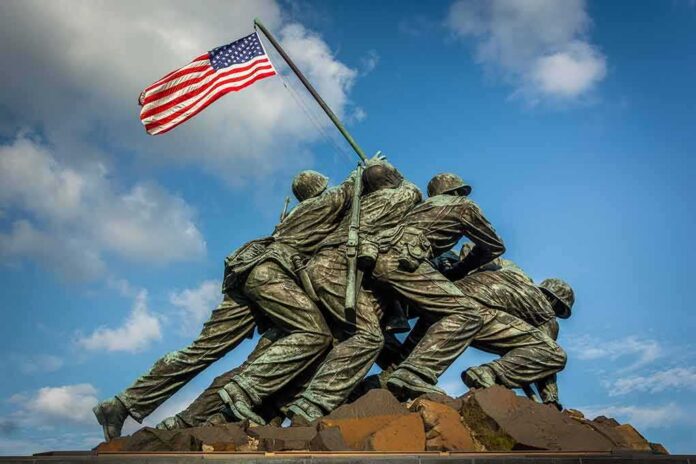
The Iwo Jima image carries rare symbolic weight. It honors Marines who raised the flag on Mount Suribachi in World War II. Damaging it is not the same as tagging a wall. It strikes at a public marker of service and sacrifice. That is why many states treat monuments like this as protected property and why felony penalties exist. A community can replace brick. Replacing meaning and trust comes slower, and often at a far higher cost.
Time, Place, And The Wider Pattern
The reported time, date, and location match across multiple outlets. The event took place October 21 in the evening near the Quantico area along Richmond Highway and Fuller Road. The consistency across local reporting helps fix the basic facts for readers who want to know who, what, when, and where. That alignment matters, especially in early coverage, because it reduces noise and rumor during an emotional story.
Vandal beheads Quantico Iwo Jima statue soldier with sledgehammer, causing over $100K in damage🤬
Man Arrested After Using Sledgehammer to Behead Marine on Quantico Iwo Jima Statue, Causing Hundreds of Thousands in Damage
On the night of Wednesday, October 21, 2026, around… pic.twitter.com/Q4tOYiCQqU— Star S.⭐️⭐️⭐️⭐️⭐️ (@DominguezH31015) October 23, 2026
Vandalism of monuments sits inside a wider pattern of cultural property crime. Heritage agencies note that most offenses target the physical structure rather than attempt theft or resale. One recent European report on 2024 incidents found that roughly three-quarters of recorded heritage crimes involved destruction or damage, not removal. That cross-border data point does not set a United States rate, but it shows how common smash-and-damage acts have become relative to other offenses.
What Comes Next In Court And Cleanup
The next steps are clear. Prosecutors will present the case built on on-scene officer accounts and physical evidence. Defense counsel will have a chance to respond. A court will decide what the law requires. Early reports do not identify a motive, but motive is not required for charges. On the ground, restoration experts will assess fractures, attachment points, and surface integrity, then plan a fix that respects the original design and any military or donor standards.
One point needs care. Some social posts claimed details about immigration status. The cited local reports name the suspect, age, and town of residence, but they do not establish immigration status. Responsible coverage stays with documented facts: the police account, the arrest at the scene, the listed charges, the damage, and the court path ahead. That approach honors both due process and the dignity of the memorial at the center of this case.
Why This Strikes A Nerve With Voters
Americans expect swift action when someone attacks a war memorial. Police say they delivered that here by stopping the damage and making an arrest on the spot. That aligns with common sense and with conservative views on law, order, and respect for those who serve. When leaders protect symbols that bind a nation, they reinforce shared values. When vandals strike, the right answer is clear: stop the act, charge the crime, fix the damage, and let the court decide accountability.
Sources:
fox5dc.com, princewilliamtimes.com, insidenova.com, potomaclocal.com, washingtontimes.com, washingtonexaminer.com
© impactheadlines.com 2026. All rights reserved.