Both WNBA Finals teams left the floor before the national anthem for a second straight game, spotlighting a rule that reads firm but remains unclear in practice.
Story Snapshot
- Both teams exited before the anthem in Games 1 and 2, then returned right after.
- Reports cite a rule saying players should “stand and line up” during the anthem.
- The rule’s text appears ambiguous on whether court presence is required.
- The league has not issued a public ruling or penalty, fueling frustration.
What Happened On The Floor
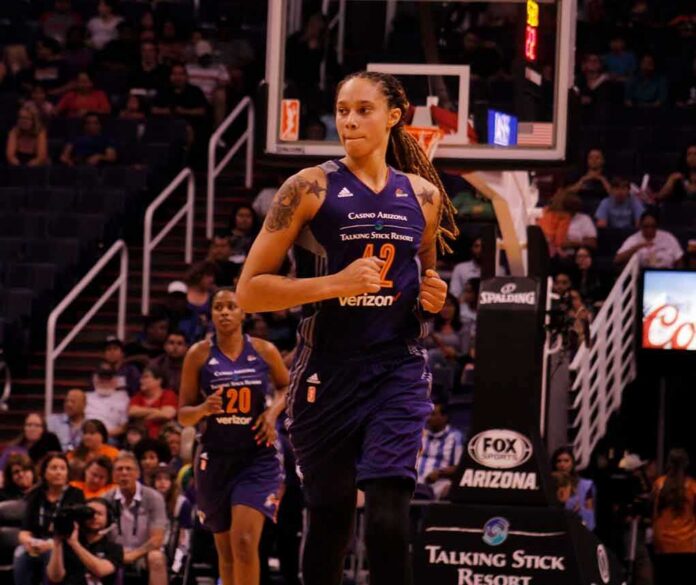
Reporters at the WNBA Finals documented a striking pattern in Games 1 and 2. The Atlanta Dream and Golden State Valkyries warmed up on the court, left moments before the national anthem, and returned within seconds of it ending. The absence lasted about the length of the anthem. The timing was tight and similar for both teams. That synchronized movement made the episode hard to miss during a championship spotlight.
Coverage after Game 2 said the same sequence repeated. Both teams again cleared the court ahead of the anthem and came back right after it. That second instance pushed the story from a one-off quirk into a pattern. It also raised questions about planning, team policies, or quiet coordination. Yet reporters did not cite any direct statements from players, coaches, or executives explaining the choice.
The Rule Everyone Is Arguing About
Several outlets quoted the 2026 WNBA rulebook as saying players, coaches, and trainers are to “stand and line up in a dignified posture” during the anthem. Critics say that means you should be on the court, visible, and in line. Supporters say the sentence tells you what to do if you are on the floor, but does not force you to be there. The rule, as described in reports, leaves room for that reading.
Analysts noted the text does not clearly require court presence when the song begins. They argued it guides conduct for those already on the court. That gap matters for enforcement. If the rule never orders players to stay on the floor, then leaving early might not break the letter of the policy. That narrower reading appears across multiple reports, which stress the text’s ambiguity.
League Silence, Public Frustration
News accounts said the league had not issued discipline or a clear interpretation. There was no fine, memo, or on-record finding after either game in the public reports. That silence has fueled anger and confusion among viewers who want consistent standards. It also gives space for heated media frames to shape the debate, which rarely ends well in a polarized climate.
Former National Basketball Association guard Ron Harper publicly backed the teams’ choice. He pushed the idea that outsiders do not get to dictate this call. His stance does not settle the rule question, but it shows how many fans and former players now see anthem decisions as a team matter first. That view contrasts with those who see the anthem as a shared civic moment that teams should honor together.
Why This Touches A Nerve Beyond Sports
Anthem disputes often become tests of trust in institutions, not just debates over a line in a rulebook. Fans on the right and left share a concern that leaders dodge clear answers and avoid hard calls. When a league writes a rule that sounds strict, then hesitates to enforce it, people see a double standard. They worry powerful groups set rules for show and bend them when it is convenient. That fear grows when events go viral and officials stay quiet.
Both WNBA Finals teams run off the court moments before the national anthem for the second straight game, returning seconds after the performance ends.@Outkick video shows players from the Atlanta Dream and Golden State Valkyries are noticeably absent during the anthem ahead of… pic.twitter.com/xkb5Ll9noo
— Fox News (@FoxNews) October 20, 2026
For many Americans, the anthem is about respect for country and the people who serve it. For many athletes, choice over that moment signals respect for personal belief and speech. Those values collide on live television. Clear guidance can lower the heat. Vague rules invite clashes that neither side trusts. The longer the silence, the more each camp assumes the worst about motives and fairness.
What To Watch Next
First, watch for the league’s official word. A posted policy note, a clarification, or a no-action statement would set a baseline. It would tell teams, fans, and broadcasters what to expect before Game 3. Second, watch the teams’ pregame plan. Do they stay on the floor together, split approaches, or keep leaving? A change would hint at private guidance or new team decisions. No change would signal the league still views this as a team choice.
Finally, track whether any penalty appears later. A fine or warning would show the league reads the rule as requiring court presence. No penalty would confirm a conduct-only standard for those on the floor. Either way, clarity would help. People can handle a rule they like or dislike far better than a rule they cannot understand. In sports, just like in government, sunlight keeps the field level.
Sources:
facebook.com, foxnews.com, sports.yahoo.com
© impactheadlines.com 2026. All rights reserved.