Archbishop Héctor Aguer died at 83, one day after urging Church leaders to lift limits on the Latin Mass, capping a life that stirred a global debate over authority and tradition.
Story Snapshot
- La Plata’s archdiocese announced Aguer’s death at age 83 on November 10, 2026.
- Aguer led the Archdiocese of La Plata from 2000 to 2018 and then retired.
- On November 9, he publicly called for ending limits on the traditional Latin Mass.
- Reports describe him as a key conservative voice in Argentina’s Church.
Confirmed Death and Clerical Profile
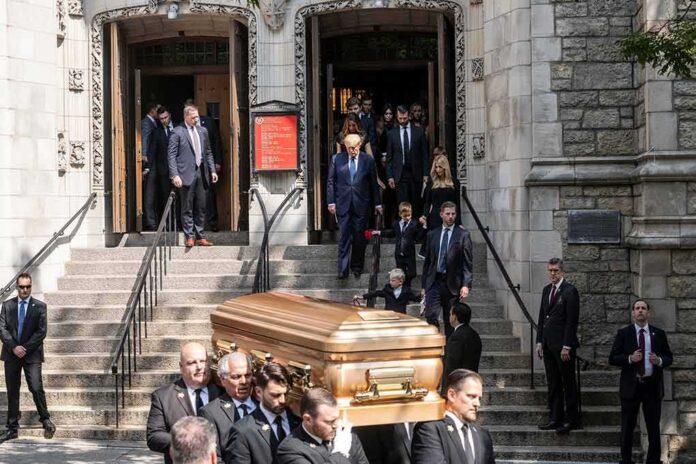
La Plata Church leaders said Archbishop Emeritus Héctor Rubén Aguer died on November 10, 2026, at age 83, and thanked God for his years of service. The announcement identified him by name and office and asked the faithful for prayer. Local outlets in La Plata also carried the news the same day. The statement did not include cause of death or medical details. Aguer was widely known across Argentina for strong public positions on faith, culture, and worship norms.
Aguer served as head of the Archdiocese of La Plata from June 12, 2000, until June 2, 2018, when he became archbishop emeritus. During those years, he shaped priest assignments, seminary priorities, and public engagement by the archdiocese. After retirement, he remained an active voice in Church debates. Colleagues in the archdiocese described his ministry as fruitful and asked Catholics to join in mourning and prayer for his repose.
Final Public Appeal on the Latin Mass
On November 9, 2026, the day before his death, Aguer gave an interview focused on tradition and the Church’s future. In that exchange, he called for repeal of limits set by Traditionis custodes, the measure that tightened oversight of the pre–Vatican II Latin Mass. A separate report highlighted his appeal during Pope Leo XIV’s visit to Argentina. The Vatican has not issued a decision in response within the cited reports, and no new policy change is documented there.
His appeal landed in a long-running fight inside Catholicism. Supporters of the older rite say it anchors faith and helps parish life. Backers of tighter limits say it fuels division and weakens unity after the Second Vatican Council. Major outlets in Argentina framed Aguer as a leading conservative figure in those battles, which helps explain the attention to his final remarks on worship and Church identity.
Why This Matters Beyond Church Walls
Argentina has seen a steady drop in the share of adults who identify as Catholic, from about 71 percent in 2013–2014 to about 58 percent in 2024, according to surveys by a major research center. That shift adds pressure on leaders who disagree about how to pass on the faith. Aguer’s stance favored a broader space for older forms. Others argue that tighter rules protect unity. The dispute reflects a deeper question about authority and belonging in today’s institutions.
For many readers in the United States, this story echoes a wider worry. People across left and right feel large institutions no longer listen. They see rules that land hard on regular people while elites keep power. Aguer’s late-life stand for tradition, and the pushback it faced, shows how a fight over worship can become a fight over trust. As with politics at home, the core issue is who decides, on what grounds, and with what respect for the community.
Sources:
lifesitenews.com, advaticanum.com, infobae.com, zenit.org
© impactheadlines.com 2026. All rights reserved.