As rescue teams dig through Venezuela’s ruins, missing-persons reports and official updates point to a death toll that could surge far beyond early counts.
Story Snapshot
- Official deaths rose from 164 to more than 1,400 within days, with thousands missing.
- United States and allied rescue teams are on the ground, signaling a massive operation.
- United States Geological Survey modeling warns fatalities could exceed 10,000.
- Communication blackouts and weak records slow confirmation of the real toll.
Fast-Rising Official Counts Show Scale, Not Certainty
Venezuela’s acting leadership issued time-stamped death updates that climbed from 164 to 589, then 920, and later above 1,430 in only a few days. Officials also reported thousands injured and warned the toll would rise as searches continued. These figures reflect confirmed bodies, not a final number, because many families still cannot report losses. That gap matters. It means what is confirmed today may only capture a part of the true human cost.
Opposition sources list thousands of people as missing, which dwarfs the confirmed deaths. That mismatch is common after major quakes. People are displaced, records fail, and roads are blocked. In this case, the government itself acknowledged missing persons while rescue crews worked through wreckage. The confirmed count rose quickly because teams reached new zones and processed bodies. The rapid jumps, while unsettling, track with expanding access, not a finished picture.
Rescue Operations Confirm Destruction On The Ground
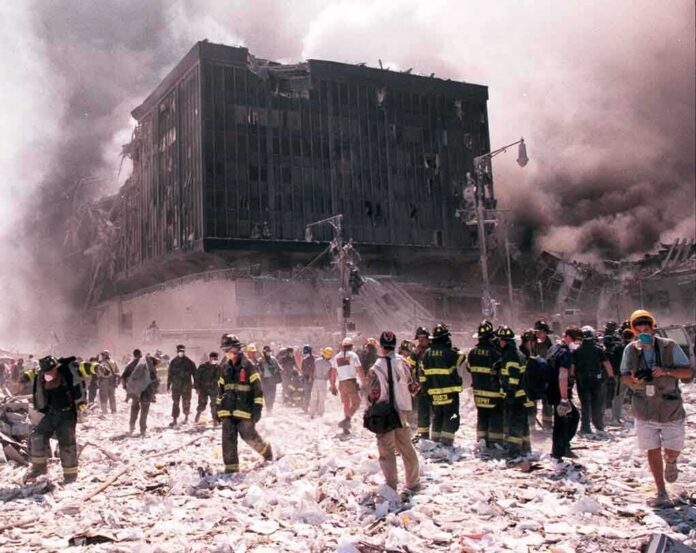
International teams from the United States, Mexico, France, Spain, Canada, El Salvador, and Chile joined local crews at collapsed buildings and landslides. Their presence confirms the scale of damage and the need for sustained aid. Reported rescues of infants and children show that searchers are still finding survivors. That same work, grim as it is, also recovers the dead. As more areas open, morgues and hospitals log bodies, pushing the confirmed toll higher day by day.
These realities match what many of us learned from past disasters. Confirmed deaths lag behind likely fatalities when communications fail and authorities cannot cross-check records. That dynamic is playing out again. The United States Geological Survey modeling signals a wide range of possible deaths, with real risk at the high end. Modeling is not a body count. But it is a warning that planners, medics, and faith groups should treat seriously while they move supplies and staff.
Why The “Real” Number May Be Much Higher
United States Geological Survey estimates point to a substantial chance that total deaths exceed ten thousand. That forecast draws on shaking intensity, building types, and population exposure. Aftershocks, landslides, port damage, and blackouts all slow verification. In hard-hit states, outages block calls and digital reports. When lists of the missing remain long for days, history shows the final toll often rises. That is why confirmed numbers should be read as “so far,” not “the end”.
VENEZUELA EARTHQUAKES: The death toll has risen to 1,943, with 10,571 people injured and an estimated 40,000 to 50,000 still missing. A total of 15,866 people have been affected, while satellite analysis suggests roughly 58,870 buildings were damaged or destroyed.
— Gabriel freytez (@Gabrielfreytez1) July 1, 2026
Conservative readers know this lesson from Hurricane Maria: official tallies can miss many deaths until audits match morgue logs, certificates, and family reports. Transparent, verifiable counts protect truth and drive smart aid. Here, the fastest path to clarity is a formal forensic audit with unique body IDs, and a match between official lists and the opposition-led missing registry. Until then, families deserve honesty: the count is moving, and the real total could be far higher.
What This Means For The United States And Our Values
American-led help is on scene, which is the right call. Clear numbers matter for security, spending, and faith-based relief. Our nation should press for open data, not political spin. We should back aid that reaches victims fast, not bloated agencies. And we should expect social platforms to stop burying official safety updates while boosting speculation. Families in danger need facts, radios that work, roads cleared, and rescue crews supplied, not noise and algorithms that hide lifesaving details.
Sources:
youtube.com, abc7news.com, wral.com
© impactheadlines.com 2026. All rights reserved.