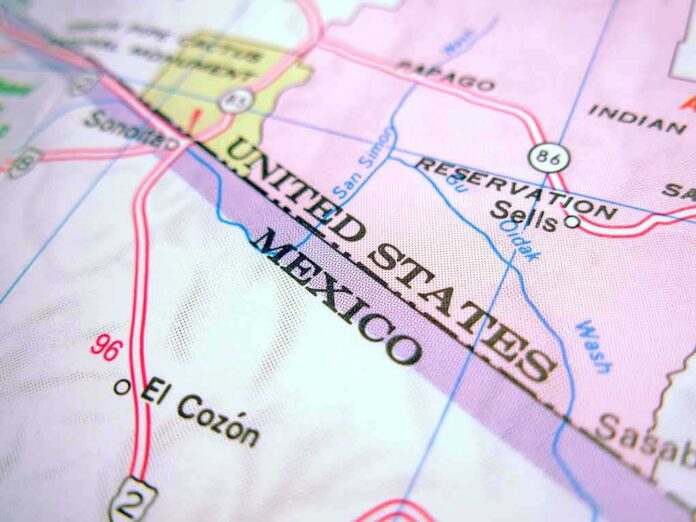
As gangs, cartels, and even terrorist groups place bounties on U.S. border agents, the Trump administration’s sweeping immigration crackdown is igniting fierce debate over national security, executive power, and the future of American sovereignty.
Story Snapshot
- Criminal organizations are reportedly targeting ICE and Border Patrol agents, raising alarms about the risks faced by law enforcement.
- The Trump administration has enacted aggressive measures to secure the border, including mass deportations and expanded authority for ICE.
- Legal and civil rights groups warn that new policies may test constitutional limits and due process protections.
- Federal officials claim a dramatic drop in illegal border crossings and cite tough action as a major victory for national security.
Escalating Threats Against Border Agents
Reports have surfaced that gangs, cartels, and foreign terrorist organizations have placed bounties on specific Immigration and Customs Enforcement (ICE) agents and Border Patrol officers. This unprecedented threat environment has placed America’s frontline defenders in a heightened state of alert. Under the Trump administration, the Department of Homeland Security has responded by designating certain cartels and criminal organizations as terrorist entities, aiming to bring the full weight of federal law enforcement against those orchestrating violence at the border.
Trump’s Immigration Crackdown: Executive Orders and Enforcement
Since returning to office in January 2025, President Trump has made good on his promise to crack down on illegal immigration. Key executive actions included declaring a national emergency at the southern border, suspending almost all refugee admissions, and blocking asylum seekers from entering the United States. The administration ended “catch and release” policies, mandated the detention of immigrants charged with or convicted of crimes, and eliminated restrictions on ICE operations in previously protected zones like schools and churches. Mass deportations have followed, with federal claims of more than 207,000 migrants deported by June 2025. These measures have resulted in the lowest illegal border crossings in decades, a development hailed by supporters as a win for American sovereignty.
Trump’s “border czar” Tom Homan has led a sweeping effort to conduct ICE raids across major cities, particularly targeting areas with large immigrant populations. The administration also appointed Attorney General Pam Bondi, who issued directives allowing law enforcement to enter migrant homes without warrants. Critics argue that these actions stretch the limits of executive authority, raising fundamental questions about constitutional protections and due process. Recent reports document cases where immigrants were detained in military facilities and sometimes deported without access to legal counsel, fueling widespread fear among immigrant communities and drawing condemnation from advocacy groups.
Legal Challenges and Constitutional Concerns
Legal organizations and civil rights advocates have filed challenges to several of the new policies, arguing that the administration’s actions threaten core constitutional principles. The elimination of “sensitive locations” protections for ICE raids and the expansion of expedited removals are seen by critics as undermining due process and eroding long-standing civil liberties. The use of military assets at the border and new laws granting sweeping authority to federal law enforcement have also sparked debate over the proper limits of executive power. Some states and localities have resisted federal pressure to cooperate with immigration enforcement, prompting threats of penalties and further legal battles. Supporters of the administration counter that these measures are necessary for restoring law and order, securing the border, and upholding the rule of law for American citizens.
The sweeping policy changes have also affected long-standing immigration programs, with calls to end relief for Dreamers and other protected groups. Expansion of detention centers, mandatory deportations, and efforts to involve local law enforcement in immigration policing have fundamentally reshaped the landscape. While advocates warn of humanitarian consequences and constitutional risks, the administration frames these moves as essential to deterring crime and defending the nation’s borders against external threats.
Federal Claims of Success and Ongoing Policy Debate
Federal officials report a sharp decline in illegal border crossings since Trump resumed office, attributing the drop to tougher enforcement and expanded powers for ICE and Border Patrol. Supporters argue that these decisive actions have restored the rule of law and strengthened national security amid mounting threats from organized crime and foreign adversaries. At the same time, the ongoing legal and political battles underscore the deep divisions over how best to balance security, sovereignty, and American values in a turbulent era for immigration policy. The situation remains fluid, with further legal challenges and policy adjustments expected as the administration continues its aggressive approach.
As the debate intensifies, the safety of America’s border agents—and the very principles of constitutional governance—remain at the center of a national conversation that shows no sign of quieting down.
Sources:
Project 2025: What’s At Stake for Immigrants’ Rights
Immigration policy of the second Trump administration – Wikipedia
The Trump Administration’s 2025 Changes to Immigration Law …