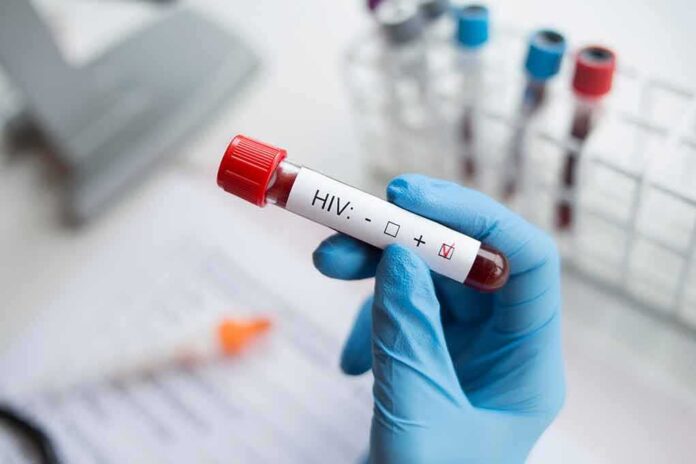
A devastating funding cut threatens to reverse decades of progress in global HIV prevention, risking millions of new infections.
Story Highlights
- Major funding cuts in 2025 disrupt global HIV prevention efforts.
- Low- and middle-income countries face the brunt of the service collapse.
- UNAIDS warns of millions of potential new infections by 2030.
- Community-led organizations struggle amidst funding shortages.
Collapse of HIV Prevention Infrastructure
The global HIV response has faced its most significant setback in decades due to abrupt funding cuts, primarily from historically stable sources like PEPFAR. This crisis has led to widespread disruption of prevention services, particularly in low- and middle-income countries. Experts warn that unless prevention services are urgently restored, millions of new HIV infections could occur by 2030.
Impact on Vulnerable Populations
The abrupt funding cuts have disproportionately impacted children, adolescent girls, and marginalized communities. Over 60% of women-led HIV organizations have been forced to suspend services due to the funding loss. Pediatric HIV services are collapsing at double the rate of adult programs, and early infant diagnosis has decreased by 20%. These disruptions threaten to undo decades of progress in fighting HIV/AIDS.
The crisis is compounded by rising human rights restrictions and punitive laws in some regions, further marginalizing vulnerable groups. The dependency on a small number of major donors has exposed systemic vulnerabilities in the global health infrastructure.
Projections and Long-term Implications
UNAIDS projects that without restoration of prevention efforts, up to 3.3 million additional new infections could occur by 2030, alongside the potential for 4 million additional AIDS-related deaths if U.S.-supported services collapse entirely. This situation highlights the fragility of progress made and the dangers of over-reliance on external funding for critical health services.
Experts stress the need for a radical transformation and domestic resource mobilization to reduce dependency on international aid. If immediate action is not taken, the global goal of ending AIDS by 2030 may become unattainable.
Sources:
UN News – 2025 HIV Funding Crisis
Global AIDS Update – ReliefWeb
2025 HIV Market Report – Clinton Health Access Initiative