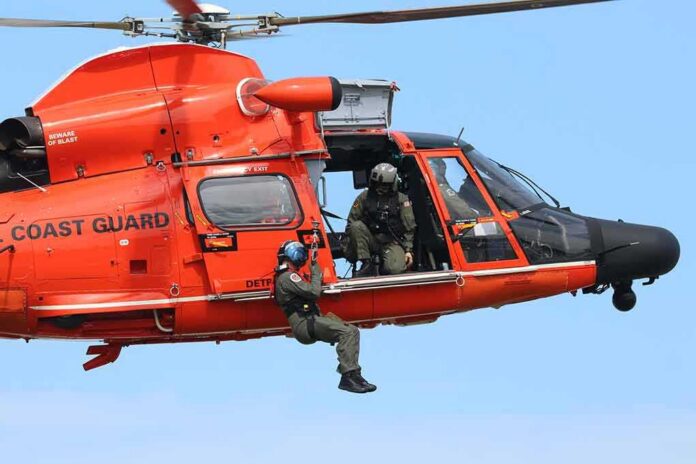
John Alvarez lost a leg in a crash and was back flying military aircraft 361 days later.
Story Snapshot
- Alvarez reentered the cockpit on Sept. 5, 1997, less than a year after the crash.
- Aeromedical waivers allow returns to flying when risk is managed and performance is sound.
- Air Force Special Operations Command documented his re-qualification about one year post-crash.
- His path fits the military’s case-by-case system, rare in result but standard in process.
A crash, an amputation, and a countdown back to flight
John Alvarez survived a helicopter crash in Ecuador in 1996 that killed the pilot and left him with severe injuries, including the loss of his lower left leg. He had been grounded since Sept. 19, 1996, and spent months in surgery, rehab, and retraining. The green light came on Sept. 4, 1997. On Sept. 5, day 361, he strapped into a military helicopter and flew again. That timeline is precise and striking because flight standards are unforgiving and safety-driven.
Air Force Special Operations records add key detail. They describe how Alvarez received an athletic prosthesis designed to manipulate helicopter controls and completed a re-qualification flight roughly one year after the accident. That sequence aligns with how waivers work. Doctors, flight surgeons, and commanders gauge whether a pilot can meet the tasks of the airframe and the mission. They test, iterate, and only then restore flight status when risk is controlled and performance is proven.
How military aviation brings a wounded pilot back
The Department of the Air Force medical standard lays it out. When a medical exam finds a disqualifying condition, a waiver can allow duty if safety and mission needs are met. The United States Navy aeromedical guide explains that waivers weigh risk, control measures, and mission demands, not just checkboxes. The process is strict but flexible because aircrews face high stakes. The system exists to keep excellence in the cockpit while not discarding hard-won skill without reason.
The path usually follows the same logic. Stabilize the injury. Fit technology or treatment that restores control. Prove you can do the job under supervision. Clear the specific aircraft’s demands. Only then does the waiver unlock the seat. Alvarez’s return fits that model. He did not skip steps or get a loophole. He met the standard the hard way, with a prosthesis that let him fly the aircraft safely and a re-qualification flight that confirmed it under watch.
Why this return matters beyond one cockpit
Military flight standards are tougher than normal duty for a reason. Lives hang on split-second motor control and judgment. Yet blanket bans waste talent. The waiver system protects both truths. It puts facts over fear. Can the pilot do the tasks? Can the crew manage risk? If yes, the door is open. The Department of the Air Force manual makes this clear: a waiver can restore flight when the member meets performance and safety marks. That is common sense and good stewardship.
A Helicopter Crash Took His Leg. 361 Days Later, John Alvarez Was Back Flying Military Aircraft. https://t.co/Dg9DIQ7rBn
— Deen Coldwell III (@deen_iii) October 8, 2026
Readers often ask if stories like this bend rules for heroes. The record points the other way. The United States Navy guide stresses structured risk assessment, not sentiment. Air Force Special Operations Command placed Alvarez through re-qualification and documented the return, including the prosthesis engineered for control inputs. Military.com reported the exact dates and the “361 days” clock that stuck in every pilot’s mind who has fought back from injury. The facts do the talking here.
Sources:
military.com, newsbreak.com, hurlburt.af.mil, nbcmiami.com, dutystation.ai, afsoc.af.mil
© impactheadlines.com 2026. All rights reserved.