Iran’s drone strike on a commercial ship triggered precise U.S. strikes inside Iran, putting freedom of navigation back on the line.
Story Highlights
- President Trump called the drone attack a ceasefire violation and vowed consequences [1].
- U.S. Central Command said Iran’s action was unwarranted aggression that violated the deal [3].
- U.S. forces hit Iranian drone, missile, and coastal radar sites tied to the attack [4].
- Disputes remain over route rules and the ceasefire’s exact terms [2].
What Happened In The Strait And Why It Matters
United States officials said four drones targeted the Ever Lovely, a Singapore-flagged cargo ship, in the Strait of Hormuz on June 26. President Donald Trump said three drones were shot down and one struck the ship’s upper deck. He called the attack a “violation of the ceasefire” and a foolish breach of the memorandum of understanding reached a week earlier [1]. U.S. Central Command said the strike threatened freedom of navigation in one of the world’s most vital shipping lanes [3].
U.S. forces answered within hours. Military officials confirmed strikes on Iranian sites tied to drones, missiles, and coastal radar near Sirik and Qeshm Island. Live coverage showed the targets and described the action as limited and precise. Reporters said this was the first hit inside Iran since the understanding was signed, and commanders framed it as a proportional response to restore deterrence and protect sea lanes used for global energy and trade [4].
Competing Claims Over Routes And Rules At Sea
U.S. briefings said the Ever Lovely followed a southern route used by many ships and recommended by the British Navy for safety. Reporters also noted Iran had warned against routes outside its preferred track near Hormuz Island. That clash—open seas versus Tehran’s claimed control—sits at the center of this dispute. Iran has pushed route limits and even toll ideas before, which runs against the long-standing norm of free passage in international waterways [6].
Iranian officials and state-linked voices called the U.S. response a reckless violation of the ceasefire and denied breaking the deal. They also argue missiles and drones were not covered in the understanding. U.S. statements highlight that commercial traffic must move without harassment and say the drone attack crossed that line. Both sides point to the document, but not all terms are public. That leaves room for spin and legal fog around what counts as a breach [2].
Evidence Gaps And What We Know So Far
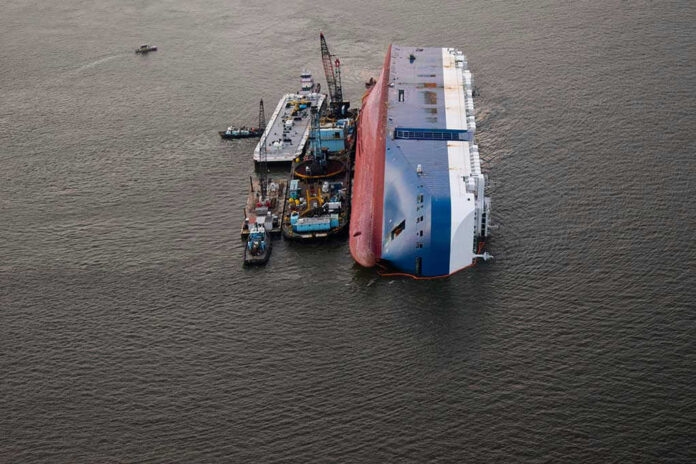
Reporters and officials said the upper deck took damage, but there is no publicly released photo evidence yet. That limits outside verification of the hit’s severity. The United States says it tracked the drones and shot down three. Central Command called it unwarranted aggression that broke the deal. Iran has not admitted to the specific strike on the Ever Lovely. Until images, debris analysis, or navigation logs are released, the public case rests on official statements and radar tracking summaries [1].
This attack fits a broader pattern in the region. Armed groups and Iran-linked units have used drones against ships for years. Analysts have logged dozens of maritime drone incidents since 2017, mostly aimed at commercial vessels. The tactic is cheap, deniable, and disruptive. It causes shippers to reroute, delay, or pay more for insurance. That hits energy markets and, in time, American wallets. It is one more reason many readers are tired of weak enforcement and shifting red lines at sea [12].
What The U.S. Response Signals Now
The United States targeted drone and missile storage and coastal radar to blunt the next attack and reassert sea control. Hitting radars matters because those sites help cue drones and fast boats against passing ships. If those sensors go dark, Iran’s ability to stalk traffic drops. If they rebuild, more strikes may follow. For now, commanders signaled limited aims: deter attacks, keep ships moving, and avoid a wider war while holding Iran to the deal’s core promise—no hits on civilian shipping [4].
WATCH : US MILITARY LAUNCHES AIR STRIKES AGAINST IRANIAN TARGETS NEAR STRAIT OF HORMUZ
The United States Navy and Air Force have executed targeted aerial strikes on ten Iranian military positions across multiple strategic sites, according to officials.
The operation focused… https://t.co/KCHhYnO4tr pic.twitter.com/TqBErnBV2x
— Inside the conflict (@InsidConflict) June 28, 2026
Media debate will rage over “who broke the ceasefire.” But the simple test is this: did armed drones target a civilian ship? U.S. officials say yes, and they named the sites they struck in return. Iran talks about routes it tries to dictate. The United States talks about a basic right to sail. That is a line worth defending. When hostile actors tax, track, or target ships, prices rise, jobs suffer, and America’s credibility slips. Clear rules at sea protect families here at home [3].
What To Watch Next
Watch for three things. First, proof of damage to the Ever Lovely and any debris analysis that ties the drone to Iranian forces. Second, release of route data from allied navies to settle whether the ship followed recommended tracks. Third, any fresh attacks or attempts to jam shipping. If Iran escalates, expect more U.S. precision strikes on enablers. If traffic flows and drones stop, deterrence worked. The goal is simple: protect free seas without fueling a larger war [1].
Sources:
[1] YouTube – US strikes Iran after cargo-ship attack in Strait of Hormuz
[2] Web – U.S. strikes Iran to respond to attack on ship that Trump says …
[3] Web – U.S. strikes Iran in response to drone attack on cargo ship that Trump …
[4] Web – ️ US strikes Iran after drone attack on cargo ship in Strait of Hormuz …
[6] Web – US launches strikes on Iran in response to drone attack on cargo ship
[12] YouTube – US strikes Iran in response to drone attack on ship in Strait of …
© impactheadlines.com 2026. All rights reserved.