Turkey’s public cheer for Washington’s Syria delisting signals a major turn in Middle East diplomacy.
Story Snapshot
- Turkey welcomed the United States’ removal of Syria from the terror-sponsor list.
- The United States completed the delisting after a 45-day review process.
- Sanctions tied to the designation were rescinded as the policy shift took effect.
- Ankara links delisting to Syria’s recovery, stability, and regional reintegration.
What Washington Changed And Why It Matters
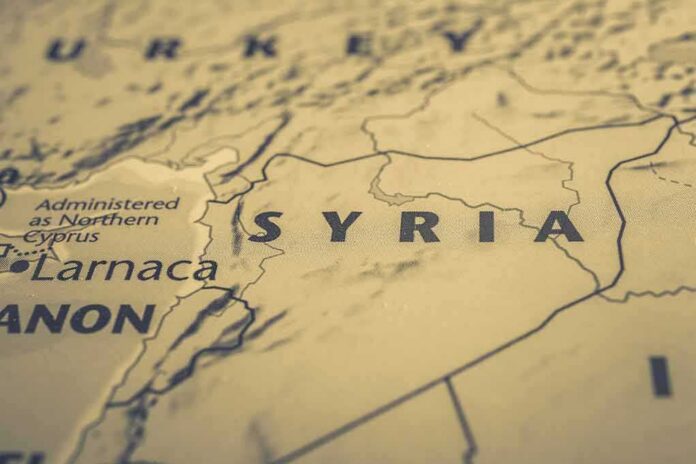
The United States removed Syria from its list of state sponsors of terrorism after a formal process that included notice to Congress and a review period. The Treasury Department’s public postings reflected the change and archived Syria-related sanctions tied to that specific designation. The move followed President Trump’s earlier notice of intent to Congress, which triggered the waiting period that precedes a final decision. This is not routine bookkeeping. Delisting changes how banks, companies, and aid groups judge legal risk and access.
Removal from the list lifts prohibitions that once blocked many forms of trade and finance linked to the designation. Other sanctions can still exist under separate laws, but the heavy “terror sponsor” label no longer freezes broad categories of activity. That opens room for reconstruction work, humanitarian logistics, and cautious private investment to consider projects again. It also reshapes diplomacy. When the United States delists a country, partners adjust policy, and rivals test new openings.
Turkey’s Fast Welcome And Its Strategic Logic
Turkey’s Foreign Ministry welcomed the American decision and called it a positive step toward Syria’s recovery and reintegration. Turkish media echoed that framing, praising what they described as the United States’ constructive approach and resolve to support post-conflict recovery. Ankara’s response fits its long-stated aims in northern Syria: calmer borders, safer returns, and cross-border commerce that does not run into blanket financial blocks. Turkey views fewer legal barriers as leverage to lower violence and spur local rebuilding.
Ankara has also backed broader steps that reduce friction in Syria and allow talks to move forward when possible. For years, Turkey argued that sweeping sanctions often hurt civilians more than leaders, slow the return of refugees, and block essential repairs. Delisting removes a big legal roadblock. Turkish officials see this as a practical way to shift energy from war management to stability building. They want wider regional buy-in, and they know Washington’s legal signals matter to banks and insurers as much as to diplomats.
How Rare Delisting Signals A Larger Shift
The United States rarely removes a country from the state sponsors of terrorism list. Law and policy require clear procedures, including either a certification of change or a congressional review period before a rescission takes effect. Over decades, only a handful of governments have moved off the list, which shows how serious this step is in practice. This history explains why partners read delisting as a geopolitical signal, not just a regulatory update. It says the United States is ready to lean into a new phase with Damascus.
The change also narrows the list of designated governments, with the updated roster reflecting only a few remaining countries after Syria’s removal. That redraws the map of which capitals face the United States’ most severe terror-related restrictions. One decision cannot fix Syria’s deep harm. But it can change the risk math for projects that knit roads, power, and clinics back together. American conservatives often favor clear goals, verifiable steps, and less red tape. A formal delisting after a legal process matches that approach: set conditions, review facts, and act.
What Comes Next On The Ground
Banks, shipping firms, and contractors will test the new space, while lawyers parse which other sanctions still apply. Aid groups may find it easier to move fuel, parts, and payments needed to keep clinics and water systems running. Turkey will push for more cross-border trade and safer routes that anchor people in place instead of pushing them to flee. The Syrian government will seek wider normalization. The United States will watch behavior and keep tools to pressure bad actors who fall outside the delisting scope.
Practical progress will decide whether this shift pays off. If more goods flow lawfully, if power grids come back online, and if border towns calm down, the delisting will look like a smart bet. If regime cronies try to divert funds, the remaining sanctions and scrutiny can still bite. Common sense says tie relief to results and keep receipts. That blend of pressure and permission gives ordinary Syrians a chance to rebuild while warning spoilers that the door can swing shut again.
Sources:
insiderpaper.com, en.yenisafak.com, content.govdelivery.com, aljazeera.com, ofac.treasury.gov, justsecurity.org, en.wikipedia.org, time.com
© impactheadlines.com 2026. All rights reserved.