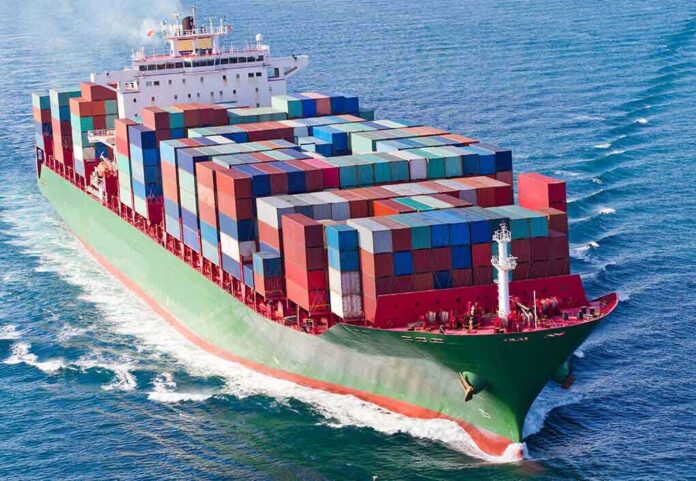
U.S. forces struck Iranian missile, drone, and coastal radar sites after an Iranian one-way attack drone hit a commercial ship in the Strait of Hormuz, enforcing a ceasefire that Tehran is accused of breaking.
Story Highlights
- U.S. Central Command confirmed June 26 strikes in Iran after a June 25 drone hit MV Ever Lovely.
- President Trump said Iran violated the June 17 ceasefire and vowed to keep sea lanes open.
- Targets included missile and drone storage and coastal radar used to track ships.
- The Strait of Hormuz remains a flashpoint tied to global energy and U.S. credibility.
What Triggered The U.S. Response
U.S. Central Command said Iran used a one-way attack drone that damaged the Singapore-flagged MV Ever Lovely on June 25 as it crossed the Strait of Hormuz. On June 26, U.S. forces hit Iranian missile and drone storage locations and coastal radar sites used to support attacks on shipping. Central Command called the drone strike a clear breach of the ceasefire terms set June 17 and described the U.S. action as measured and direct.
President Donald Trump blamed Iran for the drone strike and said the attack broke the ceasefire. He framed the response as necessary to protect free navigation and to deter more strikes on commercial vessels. Reporting said the President’s public message stressed that the United States will not allow Iran to shut or threaten the waterway, and that the administration would answer any new attacks in kind.
Why The Strait Of Hormuz Matters Right Now
The Strait of Hormuz carries a major share of the world’s oil and gas. Any hit on shipping there can raise prices and shake supply lines. That is why the United States moved to show that the ceasefire still has teeth and that trade lanes stay open. Analysts have tracked similar tensions since 2019, when attacks on tankers led to global concern and talk of closures that could have harmed energy markets and U.S. allies.
Since 2019, Iran has turned to drones and other asymmetric tools in the Gulf. This playbook aims to impose costs while stopping short of open war. Research notes these cycles often see limited retaliation followed by a pause. But each round increases the risk of missteps that could widen the fight. The United States seeks to keep the June 17 deal credible and stop a pattern that invites more strikes on civilian shipping.
Targets, Tactics, And Deterrence
Central Command said U.S. forces struck Iranian missile and drone storage along with coastal radar, which help find, fix, and target ships. Removing or degrading these nodes makes it harder to stage one-way drone attacks against slow, high-value vessels. The choice of limited, precision targets signals resolve without a rush to large-scale war. It also tells ship owners and insurers that the United States is acting to reduce near-term risk on the route.
U.S. officials have warned for weeks that Iranian drone launches toward the strait test the fragile calm. Earlier incidents saw the United States intercept drones aimed at maritime traffic, keeping ships moving and avoiding casualties. Those defenses can blunt attacks, but they do not remove the threat at its source. That is why the latest strikes went after storage sites and radars that enable drone operations near the strait.
What Comes Next For Energy, Allies, And Escalation Risk
Energy markets will watch ship speeds, insurance rates, and traffic counts through the strait. If traffic stays steady, prices may hold. If owners pause or reroute, fuel and shipping costs could rise. The administration’s goal is simple: keep the lanes open with the least force needed, and make clear that each attack on civilian ships carries a direct cost for Tehran’s military gear and targeting tools.
U.S. Strikes Iran As Conflict Over Strait of Hormuz Intensifies. The two countries reignited the war over the waterway, trading strikes as the U. S. prepared to restart a blockade of Iran’s ports. Earlier, Iran fired at U.S. military sites in the region.https://t.co/APQKvE6GRI
— Guglielmo Molteni (@Guglielm_Molten) July 14, 2026
Allies around the Gulf need predictable flows and a steady U.S. posture. Past cycles show a path back to de-escalation after limited strikes. But the risk is real each time drones or missiles fly near busy sea lanes. The conservative case is firm: defend free commerce, punish attacks on civilians, and avoid endless war. The latest U.S. action meets that test by hitting enablers of attacks while keeping the focus on protecting lawful trade.
Sources:
independent.co.uk, defence-industry.eu, straitstimes.com, aljazeera.com, nbcnews.com, csis.org, civicintelligence.news, nytimes.com
© impactheadlines.com 2026. All rights reserved.