President Trump’s federal takeover of D.C.’s police force—complete with media ride-alongs—marks the boldest assertion of executive law enforcement power in American history, challenging local autonomy and igniting debate over constitutional limits.
Story Snapshot
- Trump’s administration seizes control of the D.C. Metropolitan Police Department, invoking rarely used federal emergency powers.
- Media invited to accompany officers, aiming to showcase transparency and counter criticism of federal intervention.
- The unprecedented move sidelines local officials and seeks congressional approval for a long-term extension.
- National debate intensifies over federalism, local autonomy, and the future of law enforcement policy.
Trump Federalizes D.C. Police—A Historic Intervention
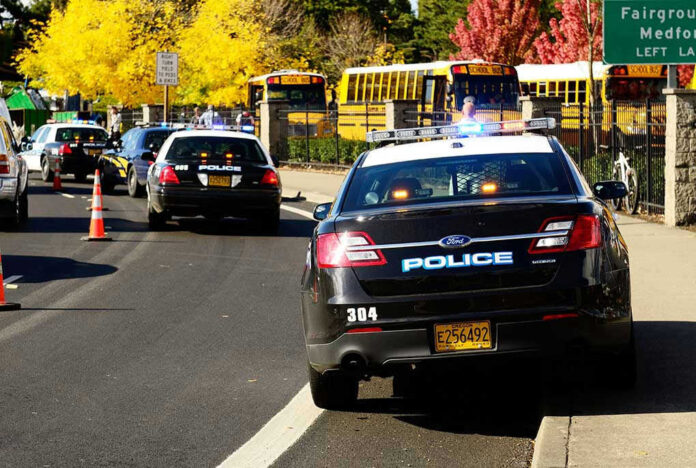
On August 11, 2025, President Donald Trump formally exercised emergency authority under the Home Rule Act to seize operational command of the Metropolitan Police Department (MPD) in Washington, D.C., deploying National Guard units throughout the city. This marks the first time a president has fully federalized the D.C. police force, a move justified by the administration as necessary to address what it described as a “crime emergency.” The White House asserts that this action fulfills Trump’s campaign promises to restore public safety and order in the nation’s capital.
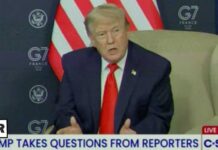
Trump’s decision to invite media representatives to ride along with D.C. police officers is designed to demonstrate transparency and counter accusations of overreach. By putting the federal government’s law enforcement efforts on display, the administration aims to win public trust and showcase its approach as a model for other cities facing crime and unrest. This level of direct media engagement is unprecedented in federal law enforcement interventions and represents a deliberate strategy to shape public perception.
Local Power Sidelined, Congress Holds the Key
With the MPD under federal control, D.C.’s mayor and city council have been effectively sidelined, stripping the city of its traditional autonomy over policing decisions. Attorney General Pam Bondi, appointed by Trump, now oversees police operations, implementing new directives and command structures. While the Home Rule Act allows a 30-day federal takeover, the administration has announced its intention to seek congressional approval for a long-term extension, framing this as both necessary for sustained public safety and as a check on potential government overreach.
The U.S. Congress now faces a pivotal decision: whether to extend federal control beyond the initial 30-day limit. This decision will set a critical precedent for the balance of power between federal authority and local governance in the District. Congressional leaders must weigh constitutional principles, public safety imperatives, and the growing tensions between local and federal officials. The outcome will resonate far beyond Washington, D.C., signaling how future crises in urban law enforcement might be handled at the national level.
Transparency, Tensions, and the National Stage
Trump’s public statements emphasize openness, with the president declaring, “We’re going to be very open about what we’re doing.” The administration has shifted from evening patrols to 24/7 federal police operations, highlighting its determination to make a visible impact. However, this bold approach has intensified political tensions, with local D.C. officials decrying the loss of home rule and community groups expressing concerns about civil liberties and the risk of eroding trust in law enforcement. National law enforcement organizations and political analysts are closely watching the situation, recognizing that it could serve as a template for federal intervention in other cities, particularly if crime or unrest is perceived to be out of control.
Expert opinions remain divided. Legal scholars acknowledge the unprecedented nature of the federalization and its constitutional implications, while policing experts warn about undermining community-based approaches and local accountability. Supporters argue that the move is overdue, providing decisive leadership where local officials have failed, while critics view it as a dangerous expansion of executive power. With media ride-alongs now underway and the eyes of the nation on the capital, the debate over law, order, and the limits of federal authority is poised to shape national policy discussions for years to come.
Trump Invites Media to Ride Along with D.C. Police: ‘We’re Going to Be Very Open About What We’re Doing’https://t.co/OA60jwuTNz
— warrior (@COADETB335thSFG) August 13, 2025
While the immediate impact is a dramatic shift in how policing is conducted in D.C., the long-term consequences remain uncertain. The city’s residents face new realities in law enforcement, and Congress’s forthcoming decision will reveal whether this historic intervention is a short-term crisis measure or a blueprint for future federal action. The Trump administration’s approach tests the boundaries of the U.S. Constitution, the resilience of local governance, and the enduring debate over the best way to secure public safety without sacrificing foundational American freedoms.
Sources:
Axios, “Trump floats taking over D.C. police for more than a month,” August 13, 2025
ABC News, “Trump to seek ‘long-term’ extension of federal control of DC police,” August 13, 2025