President Trump’s unprecedented military campaign against cartel drug boats in the Caribbean marks an aggressive defense of American borders and a decisive stand against criminal organizations that threaten our security and sovereignty.
Story Snapshot
- The Trump administration has authorized lethal military strikes against Venezuelan cartel drug boats, a historic shift from law enforcement to military action.
- Cartels are now designated as foreign terrorist organizations, expanding government powers to disrupt their operations.
- Experts warn of legal and diplomatic challenges as the conflict is framed as a “non-international armed conflict.”
- Five strikes since September 2 have disrupted cartel logistics, but the risk of escalation with Venezuela and adaptation by traffickers remains high.
Trump’s Military Escalation Against Cartels
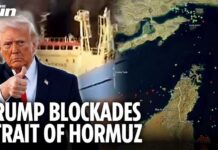
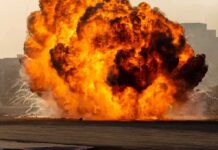
On September 2, 2025, the U.S. military launched its first lethal strike on a suspected cartel drug boat in the Caribbean, signaling President Trump’s commitment to treat cartels as foreign terrorist organizations. This shift allows military force, not just law enforcement, to confront criminal networks operating out of Venezuela. By October 14, a fifth strike had destroyed another vessel, underscoring the administration’s resolve and willingness to use decisive power to protect American interests, tackling the opioid crisis fueled by cartel trafficking.
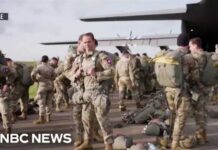
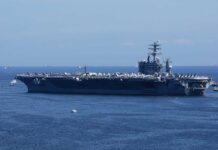
The Trump administration’s actions represent a clear departure from previous policies that relied on interagency coordination and international cooperation. Earlier efforts focused on DEA and Coast Guard interdictions, but persistent failures to curb fentanyl and opioid flows from South America prompted a more aggressive approach. U.S. naval and air assets now patrol near Venezuela, serving as both deterrent and rapid response platforms. This escalation has put pressure on the regime of Nicolás Maduro, accused of facilitating cartel activities, and has demonstrated the administration’s intent to disrupt logistics and command networks at their source.
Legal, Strategic, and Diplomatic Implications
By notifying Congress of a “non-international armed conflict,” the Trump administration has set a controversial legal precedent. Treating cartels as unlawful combatants expands the scope of U.S. intervention but raises questions about the use of military force against non-state actors and the risk of violating international law. Critics, including some legal scholars and lawmakers, warn of mission creep and possible overreach, particularly as details about those killed and cargoes destroyed remain undisclosed. Supporters argue that these bold measures are necessary to confront the unprecedented threat posed by transnational criminal organizations.
The designation of cartels as terrorist groups empowers the Departments of State, Treasury, and Justice to target cartel finances and support networks, amplifying the impact beyond direct military strikes. However, the escalation has strained U.S.-Venezuela relations and risks drawing regional partners into a broader conflict. The administration’s stance has sparked debate about the effectiveness and legality of using military assets for counter-narcotics operations, with some experts cautioning that cartels may adapt by shifting routes to the Pacific or Atlantic and that sustained operations could divert resources from other strategic priorities.
Impact on American Security and Conservative Values
For conservative Americans frustrated by years of border insecurity, cartel violence, and government inaction, Trump’s campaign is seen as a restoration of constitutional protections and a direct defense against threats to family values and individual liberty. The militarized approach disrupts cartel logistics, increases risk for traffickers, and signals that America will no longer tolerate the poisoning of its communities by foreign criminal organizations. Yet, the lack of transparency and potential for escalation with Venezuela remain concerns, as do ongoing debates over the role of military force in domestic security issues.
Short-term effects include a chilling impact on cartel maritime operations and potential infighting as support networks are targeted. Long-term, experts predict adaptation by traffickers and possible humanitarian or diplomatic fallout as regional tensions rise. The defense sector faces increased operational demands, while law enforcement agencies adjust to a supporting role. Amid this shift, conservative voices continue to champion the administration’s resolve, emphasizing the need for strong borders, limited government, and protection of American families against the consequences of globalist and leftist policies.
Expert Analysis and Future Outlook
Industry experts such as Derek Maltz, former DEA acting director, have praised the “whole of government” approach, calling the strikes necessary to address the nation’s poisoning crisis. Brent Sadler of the Heritage Foundation labels the conflict a “quasi-war,” highlighting its impact on cartel networks but warning of strategic challenges ahead. Analysts at CSIS caution that legal and operational hurdles remain, including possible escalation with Venezuela and resource diversion. Ultimately, the Trump administration’s war on cartels marks a significant, controversial step in America’s ongoing battle against organized crime and drug trafficking, with implications for national security, international relations, and the future of U.S. border enforcement.
Sources:
Trump’s war on cartels enters new phase as experts predict what’s next | Fox News
US conducts lethal strike on alleged drug boat off Venezuela | ABC News
Trump’s War on Drug Cartels: Interdiction in the Caribbean or Invasion of Venezuela? | CSIS