Iran launched drones and missiles at U.S. Navy destroyers and a commercial cargo ship in the Strait of Hormuz — and now President Trump is warning the United States may be forced to wipe Iran out once and for all.
Story Snapshot
- Iran fired drones and missiles at U.S. Navy ships and struck a Singapore-flagged cargo ship in the Strait of Hormuz, breaking the ceasefire.
- U.S. Central Command confirmed Iran launched multiple missiles, drones, and small boats against American destroyers navigating the strait.
- General Dan Caine said Iran has carried out more than ten attacks on U.S. forces since the ceasefire was announced.
- Trump posted on Truth Social that America is being “forced” to destroy Iran completely if these attacks continue.
Iran Breaks the Ceasefire — Again
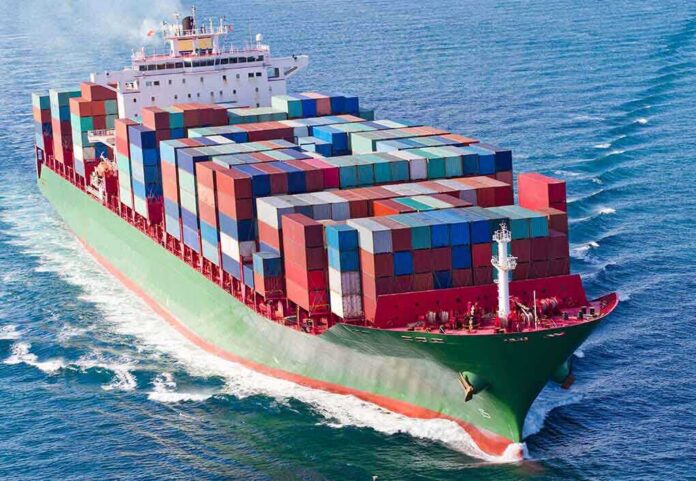
On June 26, 2026, Iran launched drones and missiles at U.S. Navy destroyers in the Strait of Hormuz. One suspected Iranian drone struck the Ever Lovely, a Singapore-flagged cargo ship, damaging its upper deck. U.S. officials confirmed the strike caused damage but no crew injuries. Retired General Jack Keane called the attack a clear ceasefire violation. U.S. Central Command confirmed the assault involved missiles, drones, and small Iranian boats targeting American warships.
This was not a one-time incident. General Dan Caine, Chairman of the Joint Chiefs of Staff, told reporters that Iran has launched more than ten attacks against U.S. forces since the ceasefire began — though he said they stayed below the level of major combat. Defense Secretary Pete Hegseth stated at a Pentagon briefing that the ceasefire is “not over,” framing the attacks as isolated violations rather than a full collapse of the agreement.
Trump Issues a Stark Warning
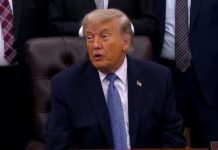
President Trump did not hold back. In a Truth Social post, Trump accused Iran of launching at least four one-way attack drones at ships, with one hitting a commercial vessel. He warned that the United States is being “forced” to wipe out Iran once and for all if the attacks do not stop. Trump called Iran’s actions a “foolish violation” of the ceasefire deal. The message was direct: push America far enough, and the consequences will be total.
The backdrop to this warning matters. The 2026 Iran war began on February 28, when the U.S. and Israel launched coordinated strikes against Iran under Operation Epic Fury, killing Supreme Leader Ali Khamenei. Iran retaliated with missile and drone attacks across the region and choked off traffic through the Strait of Hormuz. By March 2026, ship traffic through the strait had fallen more than 95 percent — the biggest disruption to the global oil supply ever recorded.
Why the Strait of Hormuz Matters to Every American
The Strait of Hormuz is one of the most critical shipping lanes in the world. About 20 percent of all global oil flows through it. When Iran threatened to close it, oil prices spiked sharply. After the April ceasefire was announced, prices began to recover — but the latest attacks have rattled markets again, with oil prices dropping more than 3 percent following the June 26 clashes. More than 400 tankers remain stranded in the Persian Gulf.
Iran, predictably, denied everything. The Islamic Revolutionary Guard Corps — Iran’s elite military force — claimed it had “absolutely not” carried out any launches since the ceasefire began. Iranian state TV flipped the story, claiming the U.S. started it. But Iran has offered no forensic evidence, no communication logs, and no witness testimony to back up those denials. Meanwhile, U.S. Central Command provided specific reports of multiple threats against American destroyers. Iran’s denial does not hold up against the documented record of more than ten post-ceasefire attacks confirmed by the Chairman of the Joint Chiefs himself.
The Stakes Could Not Be Higher
Every American who fills up a gas tank or buys groceries feels the impact when the Strait of Hormuz is disrupted. Global liquefied natural gas supply has already fallen an estimated 20 percent since the war began. Iran knows this. Choking off that waterway is Iran’s most powerful weapon. Trump’s warning signals that the U.S. is not willing to let a rogue regime hold the world’s energy supply hostage indefinitely. The question now is whether Iran’s leadership takes that warning seriously before it is too late.
Sources:
mediaite.com, gulfnews.com, cnbc.com, nbcnews.com, gmanetwork.com, youtube.com, euronews.com, cbsnews.com, usnews.com, rferl.org, eprinc.org, britannica.com, cnn.com, facebook.com, instagram.com, crisisgroup.org, hstoday.us
© impactheadlines.com 2026. All rights reserved.