Kid Rock’s Clarksville broadside fused a crowd-pleasing anthem with a hard constitutional line: no doctrine outruns the Constitution, not now, not ever.
Story Snapshot
- Kid Rock warned about Islamist extremists and Sharia at President Trump’s Tennessee rally.
- Local and national outlets captured the remarks and the rally’s charged mood.
- The Constitution, not religious law, rules public life in America, courts have affirmed.
- Debate flared over whether his words targeted extremists or Islam as a whole.
What Was Said In Clarksville, And Why It Hit Nerves
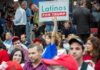
Kid Rock took the stage at F&M Bank Arena on October 10, 2026, and drew a bright line. He warned about Islamist extremists and said no ideology can override the Constitution. The Gateway Pundit framed it as a roof-raising moment, while Fox News and local outlets noted the crowd’s energy and Trump’s presence. The words landed in a campaign setting, where every sentence doubles as policy and politics.
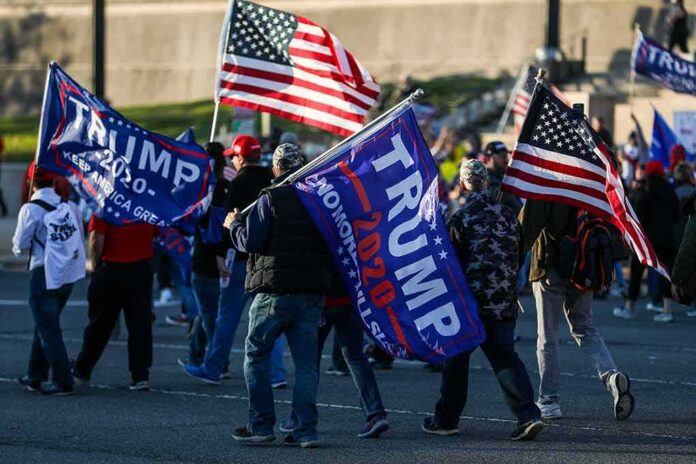
Local reporting confirms the rally’s size and spirit. Clarksville Now chronicled long lines and street-side excitement as supporters waited for Trump and his openers. The Tennessean tracked the program’s flow and the focus on Republican midterm stakes. The scene set the table for a punchy message: defend constitutional limits, define the threat as extremist, and do it in plain language built to stick.
The Constitutional Bedrock And The Sharia Question
American law gives clear guidance here. The First Amendment protects religion, including Islam, which the Department of Justice has recognized as a major world faith. But government cannot take religious law and use it to rule over citizens. Courts blocked an Oklahoma amendment that singled out Sharia, finding it ran afoul of constitutional protections. The Constitution sits on top; voluntary belief stays private when it respects others’ rights.
That legal map cuts two ways. It supports Kid Rock’s core constitutional point about no religious code overriding American law. It also undercuts claims that Sharia is replacing the Constitution in public life. Advocacy explainers and court records say there is no evidence of that replacement. Concern about violent extremists can be valid, while sweeping claims about nationwide legal takeover lack proof in the record shown so far.
Where The Message Resonates With Voters
Voters hear two tracks at once. The first is security: stop any extremist who wants to coerce Americans or import foreign law. That aligns with common-sense conservative priorities about sovereignty, equal rights, and one set of rules for all. The second is culture: a fear that elites will bend rules for favored groups. Rally rhetoric often blends both. That fusion explains why a simple “Constitution first” line can draw cheers across a wide swath of the right.
Kid Rock (@KidRock) declared at President Trump’s Tennessee rally:
“I oppose Islamist extremists whose end goal is to impose SHARIA LAW ON THIS NATION!”
Shortly before these statements, anti-Trump protesters marched on Capitol Hill in Hamas headbands, holding the Islamic… https://t.co/rSnXBhcjAN
— Charles R Downs (@TheCharlesDowns) October 10, 2026
Precision matters, though. Critics flagged the leap from “Islamist extremists” to broader jabs that sound like shots at Islam itself. National and tabloid outlets blasted the tone, highlighting the risk that a targeted warning can blur into a blanket label. Federal filings and mainstream textbooks define Islam as a world religion, not a cult. That classification is long settled in law and scholarship, which is why careful wording helps keep the focus on extremists, not peaceful believers.
What Evidence Would Sharpen The Claim
Specifics separate heat from light. If proponents assert an organized push to impose Sharia in the United States, they need named actors, public documents, and real cases. Legislative records, court dockets, and city codes would show attempts to replace constitutional law. Without that, the security warning stands as a general red flag, not a dossier-backed brief. The burden of proof sits with those alleging a coordinated plan inside our borders.
Campaign stages are built for punchy lines, not case files. Yet the Constitution angle remains the solid anchor. America protects free exercise of religion while barring any religious rule from governing public law. That is the balance the courts have kept. Advocates who want durable wins should tie rhetoric to verifiable facts, name the threat precisely, and show receipts. That path defends liberty and avoids handing critics an easy counterpunch.
Sources:
thegatewaypundit.com, clarksvillenow.com, the-express.com, tennessean.com, congress.gov
© impactheadlines.com 2026. All rights reserved.