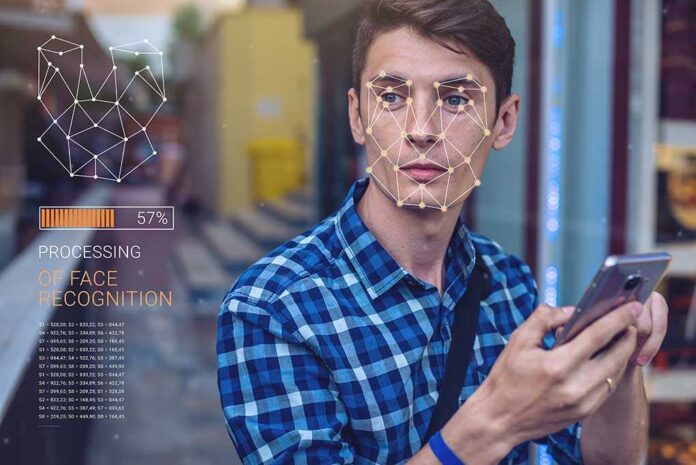
impactheadlines.com — A $5 million lawsuit claims Disneyland quietly scanned families’ faces at the gate, raising fresh alarms about Big Tech-style surveillance creeping into America’s favorite theme park.
Story Snapshot
- Class action lawsuit says Disneyland used facial recognition on guests, including children, without clear consent.
- Disney admits to biometric-style “numerical identifiers” and 30-day retention, but insists privacy is respected.
- Parents say they were never adequately told their kids’ faces were being scanned at park entrances.
- The case highlights a growing clash between corporate surveillance tools and basic American privacy freedoms.
Lawsuit Alleges Hidden Biometric Tracking At Disneyland Entrances
A new class action complaint filed in federal court in California accuses The Walt Disney Company of quietly collecting biometric data from visitors at Disneyland and Disney California Adventure through facial recognition systems installed at park entrances. The lawsuit, brought by named plaintiff Summer Christine Duffield, says Disney “does not adequately disclose” that it scans guests’ faces, converts them into numerical identifiers, and matches them with ticket or annual pass data, leaving families unaware their sensitive information is being captured and stored.[1][2]
The complaint was filed on May 15 and seeks at least five million dollars in damages on behalf of a class of park visitors.[1][3] According to reporting on the filing, Duffield visited Disneyland on May 10 with her minor children and alleges she and her kids were subjected to this biometric collection without meaningful notice.[2] The plaintiffs argue that guests should be able to “expressly opt in” to such facial recognition technology with written consent, rather than having the burden placed on families to detect and avoid high-tech systems embedded in the turnstiles.[1][2]
How Disney’s Facial Recognition System Reportedly Works
Reports summarizing the lawsuit describe a system that uses cameras at the entrance to capture guests’ faces and convert those images into numerical identifiers tied to their tickets or passes.[1][2] When guests later reenter, the technology compares the live image to the stored numerical code to speed up verification and deter fraud. Disney has publicly said the program is meant to “improve guests’ arrival experience, streamline reentry, and prevent fraud,” presenting it as a convenience feature rather than a surveillance tool.[1]
Disney also acknowledges that the data derived from this process is retained, at least for a time. Company statements cited in coverage say Disneyland deletes the numerical values within thirty days of creation, except when information must be kept for legal or fraud-prevention purposes.[1][2] The lawsuit challenges that assurance, arguing that long-term comparisons to earlier ticket photos suggest data may effectively be kept longer than advertised.[1] For privacy-conscious parents and constitutional conservatives, the bigger issue is that this biometric-style data exists at all, tied to children, in a corporate database they never knowingly agreed to enter.
Opt-Out Lanes, Fine Print, And The Battle Over “Consent”
Disney’s defense leans heavily on the idea that the system is optional. According to park language quoted in coverage, guests can choose entrance lanes that do not use biometric technology, marked by overhead signage showing a person with a diagonal strikethrough.[2] In those lanes, a cast member manually validates tickets. Yet even there, Disney concedes that visitors “may still have your image taken,” promising only that biometric processing will not be applied to those images.[2] For critics, that blurred line between “opt out” and “still recorded” underscores how hard it is for ordinary families to avoid data capture.
The plaintiffs counter that the disclosures are not adequate for something as sensitive as facial recognition, especially when “consumers — which almost always include children — have no idea” their biometric information is being collected.[1][2] They argue that written, express consent should be required before a company can scan and store a person’s face, rather than relying on signage at busy gates and implied consent through lane selection.[1][2] That demand echoes a wider trend in biometric privacy fights, where courts and lawmakers increasingly focus on whether a person was clearly told how their body data would be used and given a genuine choice to say no.
Corporate Surveillance And Conservative Concerns About Privacy
Disneyland spokesperson Jessica Jakary has publicly rejected the allegations, saying the company “respects and protects our guests’ personal information” and believes the claims are “without merit.”[2] Yet the case lands at a moment when many Americans, especially conservatives, are deeply skeptical of corporations that quietly harvest data while preaching “safety” and “convenience.” From social media censorship to digital financial tracking, the pattern is familiar: powerful institutions collect more information, ordinary citizens get less control, and families are left to trust that no one will misuse what has been gathered.
⚖️🛑 DISNEY NEWS: Disney is facing a $5 million class-action lawsuit over its new park entrance facial recognition technology. 🏰👀
The lawsuit, filed in California federal court, accuses the company of violating privacy and consumer protection laws. It alleges that Disneyland… pic.twitter.com/IBAS8MPDh3
— Chip and Company (@4chipandcompany) May 20, 2026
This Disneyland lawsuit also fits into a broader legal pushback against companies embedding facial recognition into everyday life, often without clear, front-and-center consent. Whether the plaintiffs ultimately prevail will depend on the exact disclosures, signage, and technical details that are not yet fully public. But the controversy alone sends a clear signal. If even a family theme park is normalizing silent face-scanning of children at the gate, Americans who care about privacy, limited corporate power, and basic constitutional culture have every reason to demand stronger, explicit “opt in” protections before more of our lives are captured, coded, and stored.
Sources:
[1] Web – $5M Class Action Lawsuit Filed Against The Walt Disney Co. Over …
[2] Web – Disneyland faces $5m lawsuit over facial recognition tech | blooloop
[3] Web – Disney facing $5M lawsuit over use of facial recognition tech on park …
© impactheadlines.com 2026. All rights reserved.