Five people collapsed inside one Oroville home; two never got back up.
Story Snapshot
- Police found five people in medical distress at a Hammond Park Drive home.
- Two were pronounced dead at the scene; three went to the hospital.
- Two hospitalized patients were in critical condition; one was stable.
- Police identified the two men who died and said the case remains under investigation.
What Police Found And When They Found It
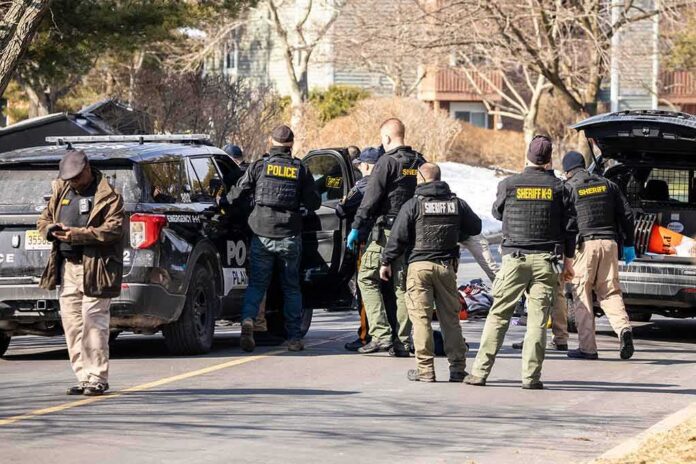
Oroville Police officers arrived at a residence in the 100 block of Hammond Park Drive at about 8:10 a.m. on November 21, 2026, after reports of multiple suspected overdoses. Officers and medics located five people in apparent medical crisis. Two were declared dead at the scene. Three others were rushed to a hospital for treatment. Independent local and regional outlets reported the same time, place, and response details, matching the initial police account.
Reporters described the event as a “mass overdose,” a term that fits a single-location cluster with multiple victims. The count stayed consistent across outlets: two dead, three hospitalized. The police department said the case remained open as an active investigation. Early statements did not name the drugs involved. That is common in the first hours after a cluster, when investigators secure the scene, interview witnesses, and sort out medical evidence.
Who Died And Who Survived
Police later released the names of the two people who died: Jamaine Nash, 32, and Kyrell Wynn, 23, both from Oroville. Reporters also shared basic details on the survivors: a 22-year-old man and women aged 23 and 33 were taken to the hospital. Two were in critical condition and one in stable condition in the initial updates. The department asked for tips from the public while it worked the scene and pieced together cause and sequence.
Some accounts said partygoers had used cocaine and fentanyl that night, a mix that has fueled deadly clusters across the country. Those details, attributed to police updates, tracked with patterns seen in recent years, where fentanyl shows up in non-opioid drugs like cocaine without users knowing it. That mixing raises risk, since a tiny amount of fentanyl can stop breathing fast and catch groups of friends off guard in the same room.
Why Clusters Like This Keep Happening
Federal health guidance treats sudden local spikes as both a police issue and a public health signal. Teams compare police findings, emergency room data, and any seized-drug tests to confirm what hit the group. That fuller check takes time. The goal is simple: identify the substance, warn the community, and prevent another cluster before the weekend ends. Mixing of drugs is now common in overdose deaths, which complicates fast, on-scene calls about cause.
Two children have been placed in temporary custody after a deadly mass overdose at an Oroville home on Saturday. Police say the investigation into the party remains active. Link in bio. #Oroville #ButteCounty #LocalNews #PoliceUpdate pic.twitter.com/5e6c4iedNk
— Action News Now (@ActionNewsNow) November 23, 2026
Law enforcement and health experts also flag the role of counterfeit pills and powder blends that can carry fentanyl. Users may think they are taking only cocaine or a pain pill, but a hidden opioid changes everything. This reality explains why cities see multiple people collapse in one home. One shared source, one shared moment, and no time to react. Local responders now carry naloxone and move fast on scene to save breathing and buy minutes for transport.
What Matters Next For Oroville
Police will lean on autopsy and toxicology to settle cause of death for Nash and Wynn and confirm what the survivors took. The department will check phones, messages, and any evidence from the home to map where the substance came from and whether a dealer or supplier played a role. If seized material exists, lab results can link the scene to any wider supply. That process supports charges if crimes are found and helps target warnings if a bad batch is loose.
Community leaders should act on two tracks at once. First, back the investigation so officers can follow facts to suppliers and hold people accountable. Second, press quick public alerts that explain basic safety steps: avoid using alone, keep naloxone nearby, and test unknown powders when possible. This is not soft on crime; it is hard on death. It helps neighbors stay alive long enough for police to break the chain that brought poison to that house.
Sources:
nypost.com, actionnewsnow.com, krcrtv.com, cbsnews.com, pressdemocrat.com, yahoo.com, jems.com, kron4.com, stacks.cdc.gov, nida.nih.gov
© impactheadlines.com 2026. All rights reserved.