Amazon told New Yorkers their deliveries could cost up to $5 more if the City Council forces it to hire drivers directly — turning a labor fight into a kitchen-table bill.
Story Highlights
- Amazon warned NYC customers of a possible $5-per-order increase tied to a proposed delivery law.
- Company says more than 40 small delivery firms and 5,000 workers could be at risk.
- City leaders call Amazon’s figure a scare tactic and say the bill adds safety and licensing rules, not a fee.
- Debate centers on contractor models, direct accountability, and who pays for safer work.
What Amazon Warned and Why It Matters
Amazon posted app and website alerts on November 19–20 warning New York City customers that a proposed law, Intro 518, could add up to $5 to each delivery. The company said costs would rise if the law forced it to replace contractor drivers with direct employees and to meet new licensing, training, and safety rules. Amazon framed the $5 as an estimate, not a fee in the bill’s text. The warning reached shoppers at checkout, where higher costs would be felt first.
Amazon also said more than 40 local delivery partners and over 5,000 New Yorkers they employ could face lost contracts if the law bans or restricts the contractor model. A delivery partner owner said his 180-person firm could be wiped out if Amazon must internalize routes. These claims highlight a real pocketbook risk for drivers and small firms tied to one dominant buyer. But they rely mainly on Amazon’s counts, not independent payroll records.
What the Bill Would Do, According to the City
City officials describe the Delivery Protection Act as a worker-protection and safety measure. The bill would require last‑mile facilities to obtain licenses, set minimum safety and training standards, and hold companies accountable for quotas, schedules, and routes that affect working conditions and public safety. Sponsors say the law aims to attach responsibility to the company controlling deliveries, not just to smaller contractors who currently employ drivers day‑to‑day.
Council Member Tiffany Cabán and other backers reject the $5 claim. They argue the bill does not impose such a surcharge and instead adds a modest $500 license fee every other year and basic safety rules. They call Amazon’s pop‑ups “corporate bullying” meant to scare customers at the point of sale. City leaders also say any price hike would be Amazon’s choice, not a legal requirement tied to the bill’s text.
The Core Clash: Contractor Flexibility vs. Direct Accountability
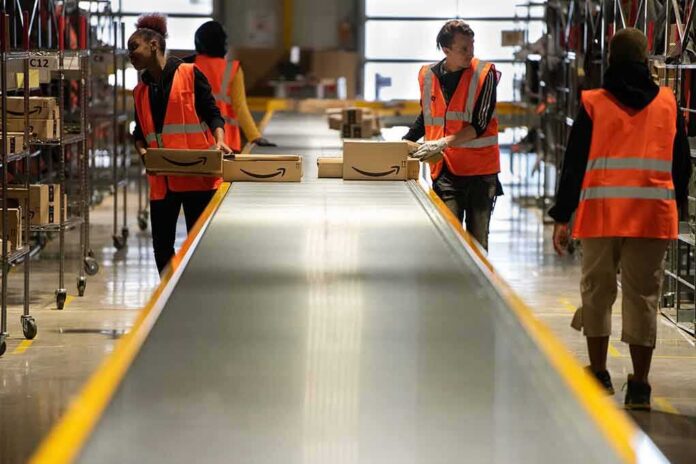
For years Amazon has relied on a network model. Many drivers work for small Delivery Service Partners or as independent contractors, but they use Amazon vans, uniforms, apps, and routes. That gives Amazon flexibility while keeping drivers off its payroll. The New York bill tests whether a company that sets the work should also be the direct employer, with the costs, benefits, and safety duties that come with that shift.
This is a familiar playbook in labor fights. Firms warn that forced reclassification will raise prices, destroy jobs, or push operations away. Officials counter that safety and fair standards are worth the cost and that large platforms can absorb it. In this case, Amazon has not released the cost model behind the $5 figure, which limits outside review. City leaders, for their part, have not published a full impact study either.
Risks for Shoppers, Workers, and Small Firms
New Yorkers could face higher delivery costs if companies pass on labor and compliance costs. If Amazon cuts contractors, small delivery firms could lose anchor clients. That puts thousands of paychecks at risk in the short term if transitions are not orderly. Supporters say safer work and clearer accountability can reduce injuries and crashes, which carry real human and public costs. Both outcomes affect family budgets and neighborhood streets.
Amazon just turned its checkout page into a political ad. The last company that tried this on New York City got its way in six days.
If you live in NYC and opened Amazon this week, you might have seen it. Some people got a red banner on the homepage, and some got a pop-up in the… https://t.co/WjRPtvpode
— Aakash Gupta (@aakashgupta) November 20, 2026
The bill’s final shape matters. Council leaders have signaled room to amend details, like licensing terms or how direct employment is phased in. Narrow changes could preserve some contractor roles while raising standards. Broader changes could force a full shift to direct hires. Without the final text, estimates on costs, speed, and jobs remain uncertain. What is clear is who will pay if lawmakers get this wrong: everyday customers, small businesses, and front‑line drivers.
Sources:
abc7ny.com, newsnationnow.com, al.com, newsbytesapp.com, amny.com, earthjustice.org, reshapingwork.net, emarketer.com
© impactheadlines.com 2026. All rights reserved.