New York just hit “pause” on the AI data center boom, making it the first state to tell Big Tech that local power bills and water supplies come before endless computing power.
Story Snapshot
- New York imposed the first statewide one-year moratorium on large new data centers.
- Governor Kathy Hochul’s order blocks permits for hyperscale centers while impacts are studied.
- Lawmakers passed a companion bill adding strict reviews, public hearings, and separate rate classes.
- Supporters say this protects families from rising utility costs; critics say it stifles jobs and innovation.
New York’s First-in-the-Nation Data Center Moratorium
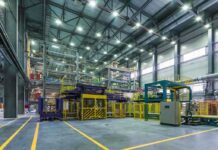
New York has become the first state in the country to formally stop construction of large new data centers for a year. Governor Kathy Hochul issued an executive order that pauses environmental permits for “hyperscale” data centers, which are ultra-large facilities that can draw 50 megawatts of electricity or more. During this moratorium, the Department of Environmental Conservation will not issue new discretionary permits and instead must help craft common standards for future projects. The pause does not cancel centers already fully approved, but it freezes the next wave of mega-builds.
Alongside the order, the legislature passed the Responsible Data Center Development Act, a bill that creates a separate, broader moratorium tied to state law. That measure blocks state permits for new “large data centers” with peak demand of at least 20 megawatts for one year after the law takes effect. It passed by noticeable but not unanimous margins, 44–16 in the State Senate and 102–39 in the Assembly, showing many lawmakers were uneasy about either the economic risks or the scale of state intervention.
Why Lawmakers Say a Pause Is Needed
Supporters argue the pause is about protecting regular people who are already struggling with rising costs. Hyperscale data centers use huge amounts of power and water to cool servers, and leaders fear they can drive up electric rates and strain local supplies if built too quickly. The new law orders a statewide environmental impact report within 18 months that must study energy use, water consumption, land impacts, pollution, and effects on disadvantaged communities. Hochul also said data centers should either make their own power or pay extra to tap New York’s grid, and she opposes tax subsidies for AI centers.
The bill also requires utilities to put large data centers in their own rate class so that grid upgrades and higher commodity costs linked to these facilities do not get dumped on everyone else’s power bills. This speaks directly to concerns from both conservatives and liberals who feel they are already paying more while wealthy tech firms grow richer. By forcing data centers to cover the true costs of their demand, lawmakers say they are trying to stop invisible cost shifts that quietly punish households, small businesses, and seniors living on fixed incomes.
Public Hearings, Transparency, and Community Voice
Many New Yorkers from different political backgrounds feel big projects get approved without real input from the people who live nearby. The Responsible Data Center Development Act tries to change that by requiring at least one in-person public hearing in the host community before a large data center can be approved. Companies must give at least 30 days’ notice and share clear information about their expected energy use, water needs, wastewater, and public incentives. That structure aims to keep deals from being cut quietly between officials and corporations while neighbors are left in the dark.
For frustrated voters on both the right and the left, these hearings are a way to push back against what many call the “deep state” or the “elites” who make decisions far from ordinary families. People can ask how a project will affect local roads, noise, housing, and their monthly bills. They can also question tax breaks given to firms worth billions. By writing these hearing rules into law, New York lawmakers are admitting that trust in government and in big business is weak—and that more sunlight is needed when massive infrastructure tied to the AI boom comes to town.
Supporters, Critics, and What Comes Next
Environmental groups and ratepayer advocates see the moratorium as a long overdue guardrail around a fast-growing industry they say could overwhelm aging grids. They point to national data showing dozens of states and cities now considering or passing similar pauses on data centers, meaning New York is part of a wider backlash against unchecked AI infrastructure expansion. For these groups, the one-year ban is not anti-technology; they frame it as a timeout to make sure tech growth does not sacrifice clean air, affordable energy, and stable water for local communities.
New York: first state to ban new hyperscale data centers.
Reason given: 12GW of requests in the queue, grid can't keep up, ratepayers eat the cost.
14 states have introduced similar bills.
None passed until now. pic.twitter.com/rDqmQIRtDz
— Abu (@abuchanlife) July 15, 2026
Industry leaders, business councils, and some legislators warn the move will scare off investment and cost jobs, arguing that data centers are critical to AI, finance, cloud services, and modern computing. Opinion writers have slammed the moratorium as a sign New York is “hindering economic expansion” and sending high-paying tech work to other states. Yet those critics so far have not produced detailed public studies showing how many jobs or how much growth will be lost, which leaves the real economic impact still uncertain.
Sources:
reason.com, dlapiper.com, governor.ny.gov, nixonpeabody.com, wamc.org, washingtonexaminer.com, wired.com
© impactheadlines.com 2026. All rights reserved.